Associate Professor Ekaterina Markova Represents SONYA at International Forum on Ageing and Long-Term Care in Rome

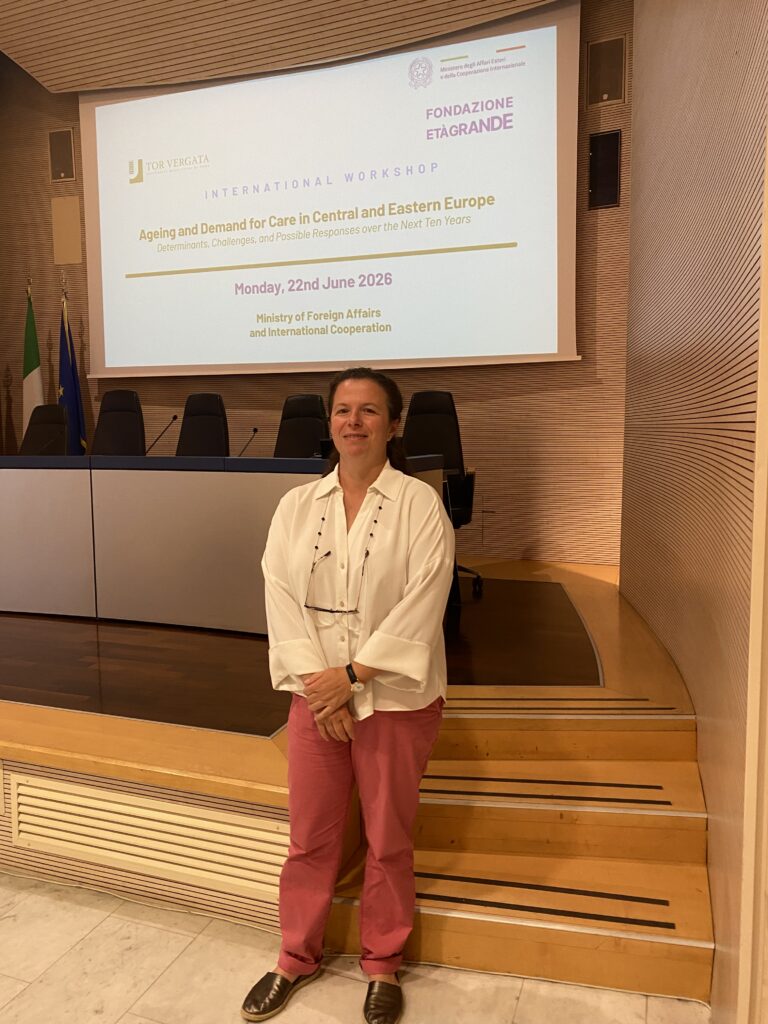
At the invitation of Professor Giuseppe Liotta of the University of Rome Tor Vergata, and with the support of the Italian Ministry of Foreign Affairs, Associate Professor Dr Ekaterina Markova from the Institute of Philosophy and Sociology at the Bulgarian Academy of Sciences represented Bulgaria at the international forum “Ageing and Demand for Care in Central and Eastern Europe: Determinants, Challenges, and Possible Responses over the Next Ten Years”, held in Rome on 22 June.

The event brought together leading researchers, representatives of international organisations, public institutions, and experts from Central and Eastern European countries to discuss the challenges posed by population ageing and the growing demand for long-term care. Participants included representatives of the WHO Regional Office for Europe, the Council of Europe, UNFPA, as well as universities and research centres from more than ten European countries.

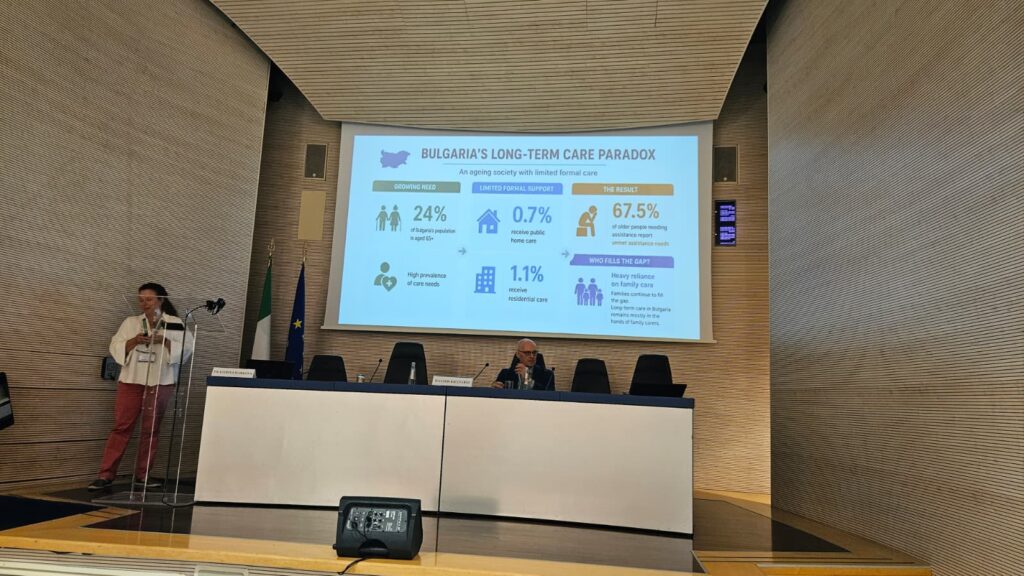
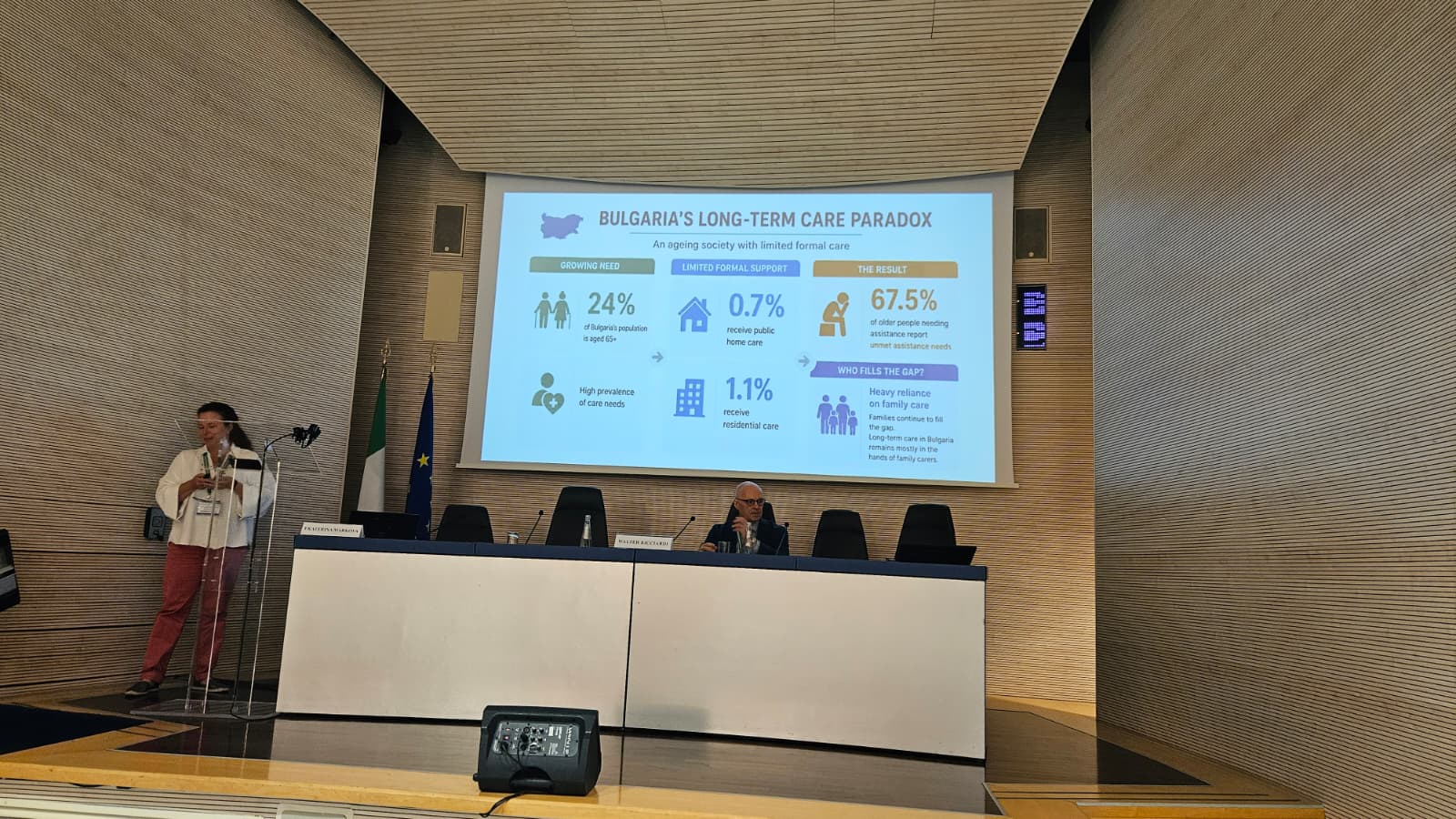
As part of the panel “Country Focus: Innovation in Local Health and Social Services”, Dr Markova presented her paper, “From Family Dependence to Supported Home Care: Emerging Transformations in Bulgaria’s Long-Term Care System”. The presentation examined the ongoing transformation of Bulgaria’s long-term care system for older people.

Dr Markova analysed the shift from a traditional model based predominantly on family caregiving towards new forms of home-based and community care. Her presentation highlighted evidence on the coverage of formal care services in Bulgaria, the continued central role of families as primary care providers, and the gradual emergence of a hybrid model combining informal family support with publicly funded social services.

Particular attention was given to the SONYA Horizon Europe project, which is developing and piloting innovative home care models, including services designed for remote and sparsely populated areas.

Dr Markova’s participation provided an important opportunity to present Bulgarian research and experience in ageing, social policy, and long-term care to an international audience, contributing to ongoing discussions on the future development of care systems across Europe.

SONYA consortium meets in Florence for its first annual meeting

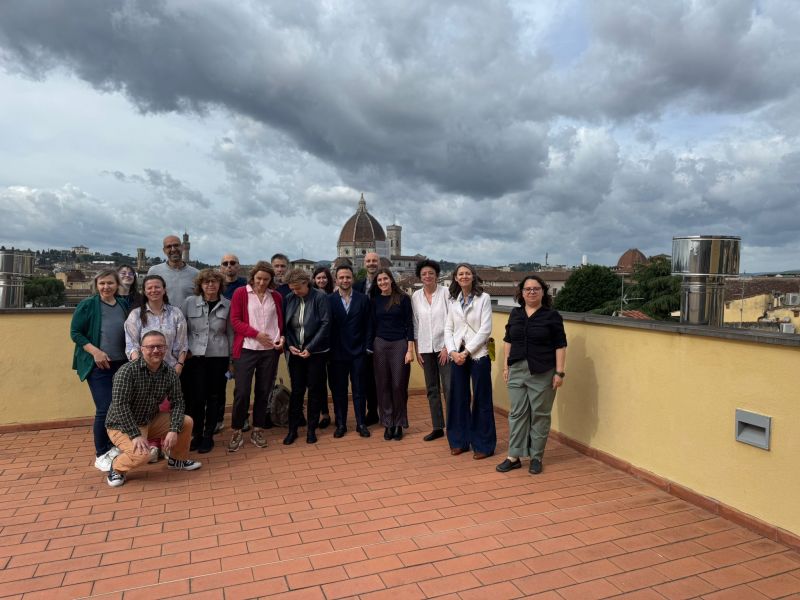
On 14 May, the SONYA consortium gathered in Florence for its first annual consortium meeting, bringing partners together to review progress, exchange insights and align on the next steps for the project.

The meeting offered a valuable opportunity for consortium members to take stock of the work carried out so far and discuss the project’s upcoming priorities. Partners shared updates from across the different areas of work, reflected on key developments and explored how to continue strengthening collaboration as SONYA moves forward.

The gathering continued on 15 May with the SONYA Conference, which welcomed invited participants for further discussion, knowledge sharing and exchange. The event provided a space to connect with stakeholders, deepen dialogue around the project’s themes and support the shared ambition of advancing SONYA’s objectives.

This first annual meeting marked an important milestone for the consortium, reinforcing the importance of cooperation, shared learning and coordinated action. By coming together in Florence, partners strengthened their collective work and laid the foundations for the next stages of the project.

The consortium includes Rennes School of Business, Active Society Association, Fundación El Olmo, Grupo SoGReS-MF, Cooperazione Trentina, Università degli Studi di Firenze, the Institute of Philosophy and Sociology at BAS, Zabala Innovation and Deakin University.

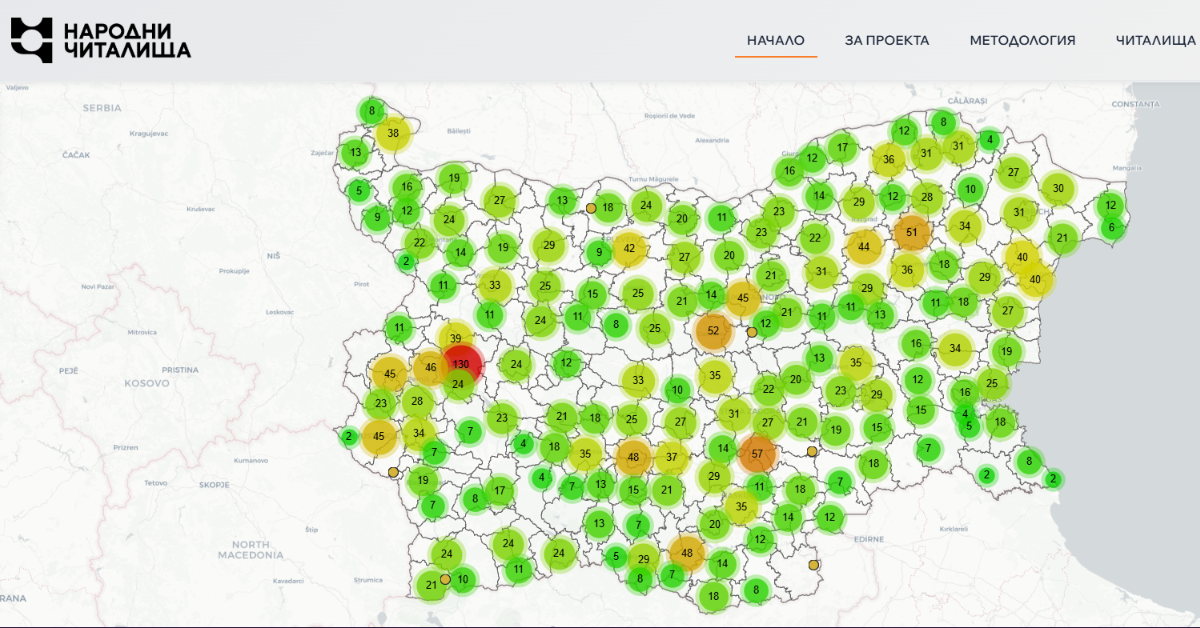
Interactive Map of Community Cultural Centres (Chitalishta) in Bulgaria

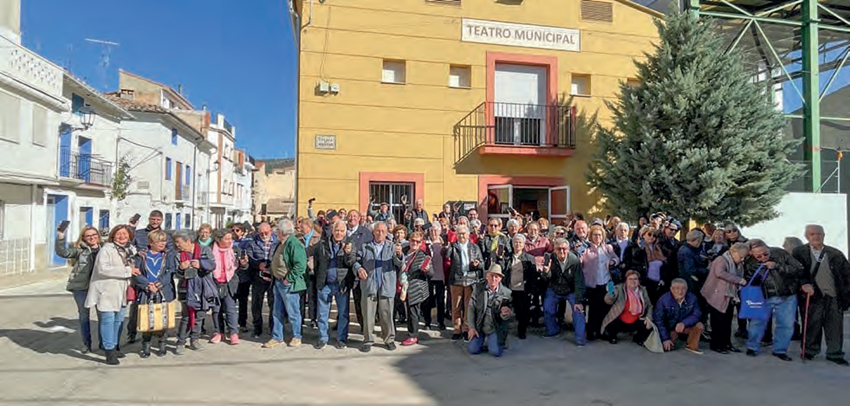
Community cultural centres, known as chitalishta, represent one of the most enduring and distinctive elements of Bulgaria’s local cultural and social infrastructure. Today, their nationwide presence can also be explored through the interactive online map of Bulgarian chitalishta, available at: https://karta.narodnichitalishta.bg/

The platform provides a geographical visualisation of nearly 3,600 chitalishta across the country, allowing users to explore their locations and access information about their activities and organisational characteristics. The map enables filtering and searching by different criteria and serves as a valuable public resource for citizens, researchers, and institutions.

Digital tools such as this map help reveal the dense community-based cultural infrastructure that exists throughout Bulgaria. Traditionally, chitalishta function as local hubs for culture, education, and civic engagement, hosting libraries, cultural events, educational initiatives, and community activities.

Within the context of the SONYA Project, resources like this map can also help identify potential local partners and community infrastructures that support social initiatives, including activities aimed at social inclusion, community engagement, and support for older people.

The visualisation highlights the remarkable territorial coverage of chitalishta and their continuing relevance as community-based institutions capable of supporting social innovation and local development.

Ethics in Practice: Ensuring Quality in Rural Long-Term Care Research

Research on long-term care is, by its very nature, a sensitive field in which vulnerability, health, emotions, and structural inequalities intersect. When this type of research is conducted in rural contexts, such as the Alto Turia territory, complexity increases: social networks are dense, anonymity is limited, and available services are often scarce. In this setting, the work carried out by the Fundación El Olmo(FO) within the Living Lab of the SONYA project required a solid ethical and methodological approach from the outset. The organization assumed that research quality depended not only on well-designed protocols, but also on a daily practice grounded in transparency, sensitivity, and responsibility toward the participating community.

Before beginning fieldwork, the Fundación El Olmoestablished an ethical and methodological framework aligned with the guidelines set out in the project. This framework included procedures for informed consent, data management, confidentiality, boundaries in interactions with participants, and mechanisms to ensure emotional well-being during interviews. Rather than conceiving ethics as an initial procedural requirement, the Fundación El Olmoapproached it as an ongoing process of reflection, review, and adaptation. This dynamic perspective made it possible to respond to emerging dilemmas and to maintain a consistent standard of quality throughout the research process.

A key component of this approach was the training of the interviewing team. The Fundación El Olmoparticipated in training sessions within the SONYA project that went beyond conventional technical skills. These sessions included semi-structured interviews designed to represent different participant profiles—ranging from highly expressive individuals to more reserved participants, as well as emotionally affected caregivers or professionals with a high level of technical expertise. This diversity enabled the team to develop specific relational competencies tailored to each situation. In addition, the initial field sessions were conducted using a “shadowing” approach, whereby less experienced interviewers accompanied senior members of Rennes School of Business, the project coordinator. This process facilitated direct observation of how rapport is built, how pauses or intense emotions are managed, and how conversations are concluded in a professional manner. Finally, the training incorporated ethical case discussions, a strategy that helped anticipate sensitive situations and strengthen decision-making in the field.

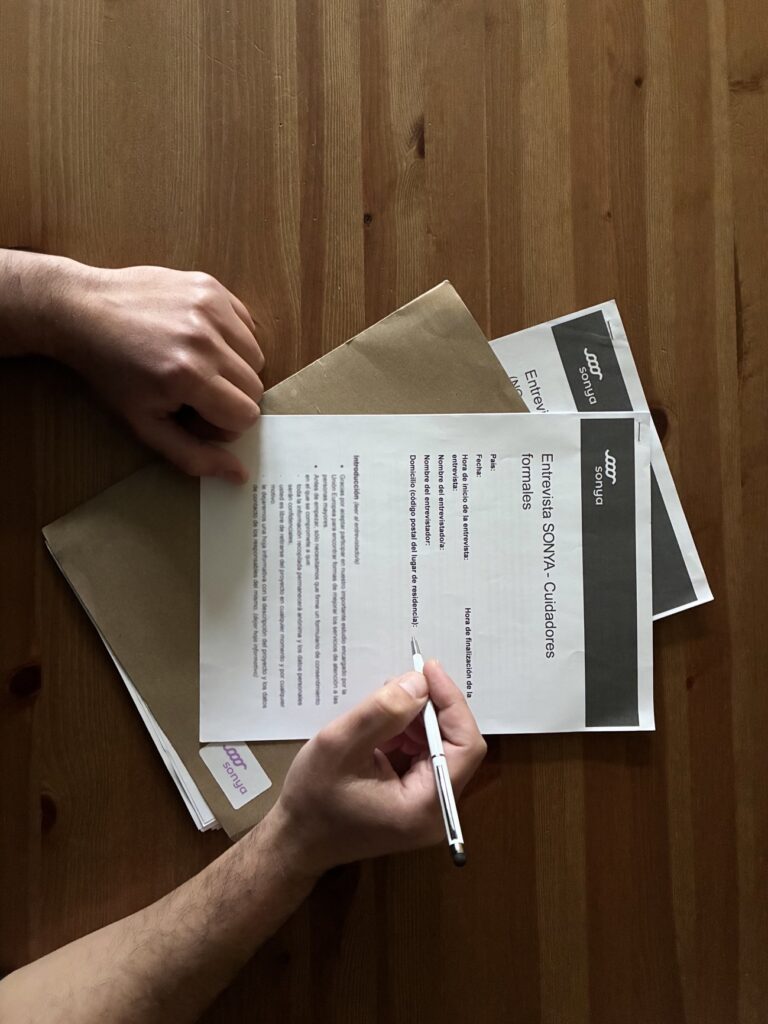
Ensuring informed participation was another central axis of the Fundaión El Olmo’s work. In Alto Turia, where administrative procedures may be perceived as distant or overly formal, the organization adapted the project’s forms and protocols to make them clear and accessible. Explanations were provided in plain language, with sufficient time to address questions, consistently emphasizing the voluntary nature of participation and the possibility of withdrawing at any time. This process was accompanied by a key message: SONYA’s research did not aim to evaluate services or identify institutional shortcomings, but rather to understand realities in order to improve care models.

One of the greatest methodological challenges in rural contexts is confidentiality. Even in the absence of names, details about participants’ lives can allow for identification due to the small size of communities. To mitigate this risk, the Fundación El Olmoimplemented specific anonymization measures in line with European guidelines, such as generalizing descriptions, selectively using direct quotations, and removing overly specific references. Data storage and processing followed the requirements of the General Data Protection Regulation (GDPR), using encrypted systems and restricted access. This combination of technical rigor and contextual judgment was essential to protecting participants’ privacy.

The emotional dimension of the work also required particular attention. Conversations about care, dependency, or family overload can evoke painful memories or generate distress. For this reason, the Fundación El Olmoestablished a set of practices aimed at preserving emotional safety: allowing pauses, stopping interviews when necessary, avoiding pressure to obtain additional information, and, where appropriate, suggesting local support resources. These practices reflect a deep understanding that research on care must always prioritize the well-being of participants.

Methodological quality was further reinforced through internal control mechanisms. After each fieldwork day, the team conducted debriefings to share challenges, findings, and ethical dilemmas. This exchange not only strengthened team cohesion, but also enabled the rapid correction of deviations and the improvement of subsequent sessions. In addition, interview notes and summaries were reviewed by other members of the project to ensure interpretive coherence, reduce bias, and confirm alignment with SONYA’s conceptual categories. Any significant changes in the conduct of interviews—such as modifications to the setting, adjustments to questions, or decisions made in response to contextual factors—were documented, thereby strengthening process traceability and transparency.

Rural particularities added an additional layer of complexity. In small villages, social visibility is unavoidable: people know one another, observe one another, and often maintain close ties. The Fundación El Olmoavoided organizing meetings in overly exposed locations, ensuring privacy and neutrality. Similarly, it carefully managed expectations of reciprocity, responding to questions about the tangible impact of the research with a clear commitment to sharing results with institutions and communities. The balance between closeness and neutrality was another delicate aspect: while rural dynamics tend to foster warm interactions, the organization maintained a professional balance that preserved impartiality without undermining local trust.

Valuable lessons emerged from this process. The Fundación El Olmoconfirmed that ethics are not limited to formal documents, but must be integrated as a daily habit; that quality depends as much on procedures as on internal team communication; that clarity and honesty strengthen community trust; and that rural contexts require methodological flexibility without sacrificing rigor. The experience also demonstrated that, when approached with sensitivity and transparency, communities deeply value being heard and contributing to innovative care models.

Overall, the approach developed by the Fundación El Olmodemonstrates that responsible research in rural settings is not only possible, but essential for building fairer and more realistic care policies and practices. By combining SONYA’s methodological framework with a deep understanding of the territory, the Alto Turia Living Lab offers a model of ethical, rigorous, and context-sensitive research capable of generating meaningful and transferable learning for other European regions.

The WHO’s Eight Domains

The incorporation of the World Health Organization’s (WHO) Eight Domains of Age-friendly Environments framework into the work carried out in Alto Turia represents an uncommon exercise in methodological adaptation within the field of rural social innovation. When Fundación El Olmo (FO) joined the SONYA project as the organisation responsible for the Living Lab in this territory, one of its first tasks was to translate the project’s conceptual guidelines into tools applicable to a dispersed, ageing context marked by structural constraints. The WHO framework, widely validated in urban settings, became a key instrument for systematically understanding the experiences, needs and opportunities of older people in the region. However, its value did not lie in mechanical application, but in Fundación El Olmo’s ability to reinterpret each domain in light of the territory’s social, geographical and cultural realities.

The value of the WHO framework for analysing ageing is clear: it provides a common language for diverse stakeholders, organises observation in a multidimensional manner, and enables comparisons across very different contexts. For SONYA, this approach offered a robust structure from which to explore how factors such as mobility, housing, social participation, communication and access to services interact in the construction of more equitable care ecosystems. However, research in Alto Turia showed that the domains only acquire full meaning when embedded in local practices and adapted to rural specificities, a methodological principle already emphasised within the project.

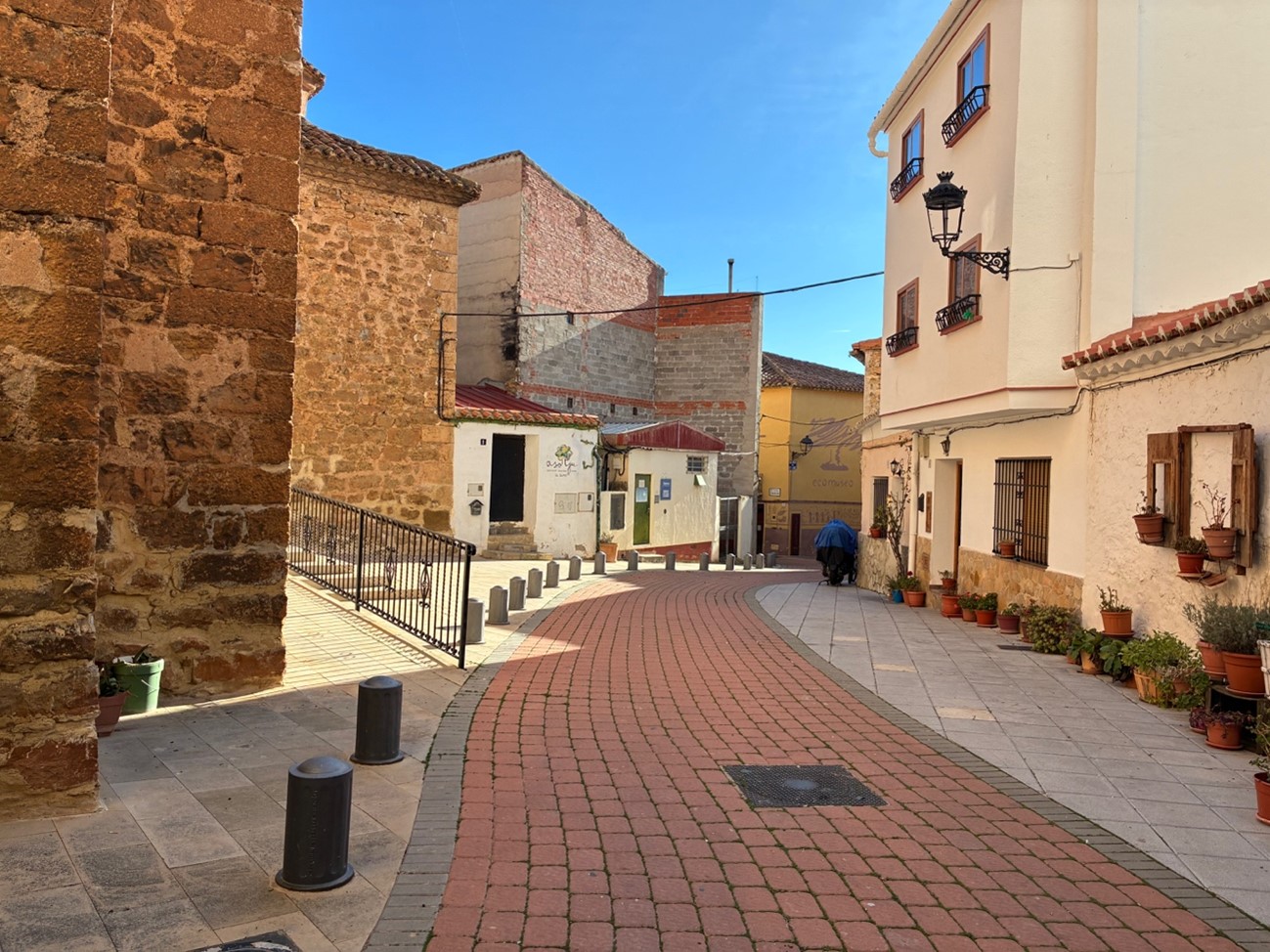
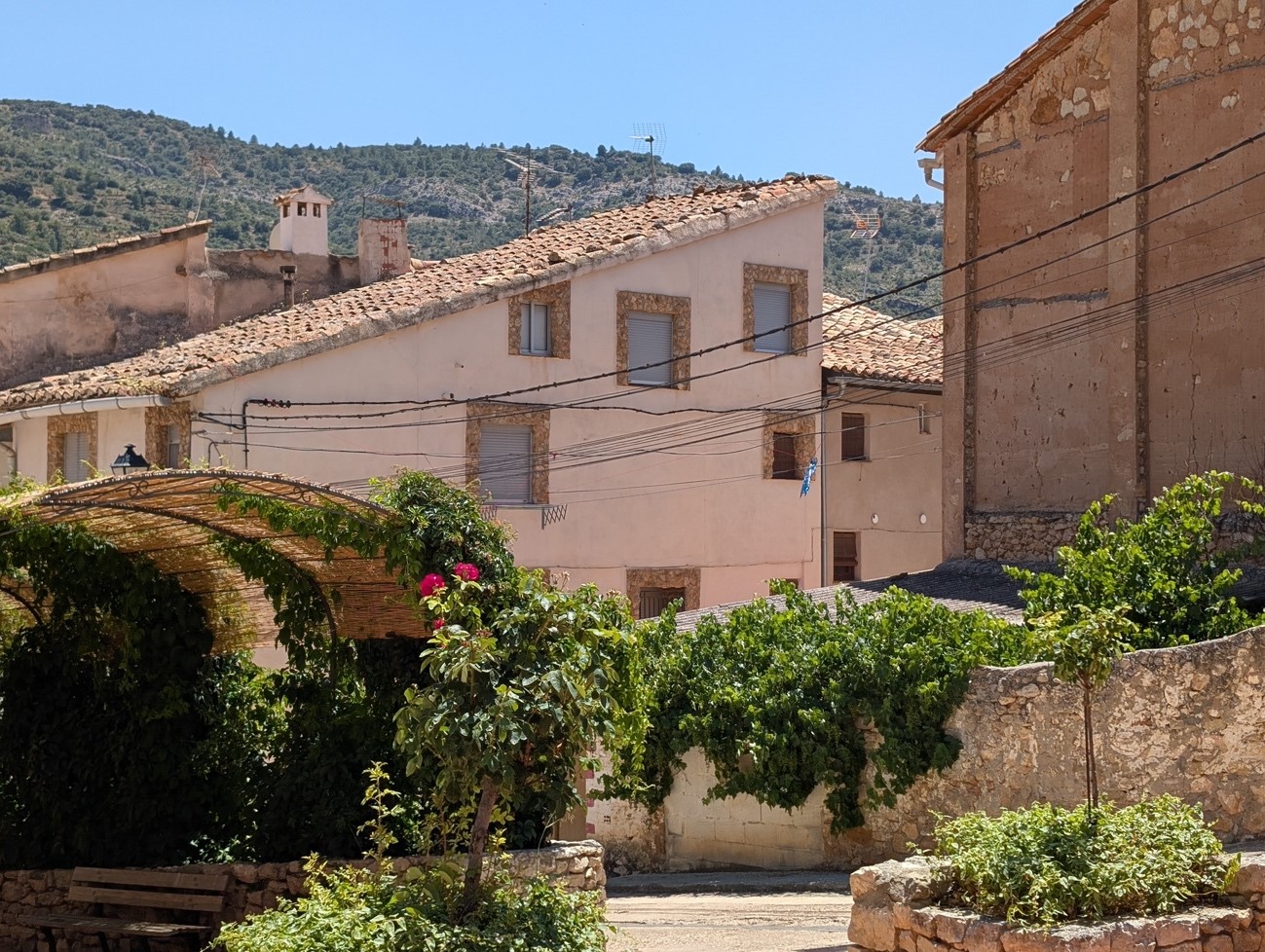
In analysing outdoor spaces and buildings, Fundación El Olmo encountered scenarios markedly different from those envisaged by urban models. Small squares, narrow streets, steep gradients and the strong presence of the natural environment shape everyday mobility and condition the autonomy of older people. In a context where physical proximity to essential services is decisive, even minor changes in the accessibility or maintenance of public space have a disproportionate impact on the quality of life of an ageing population.

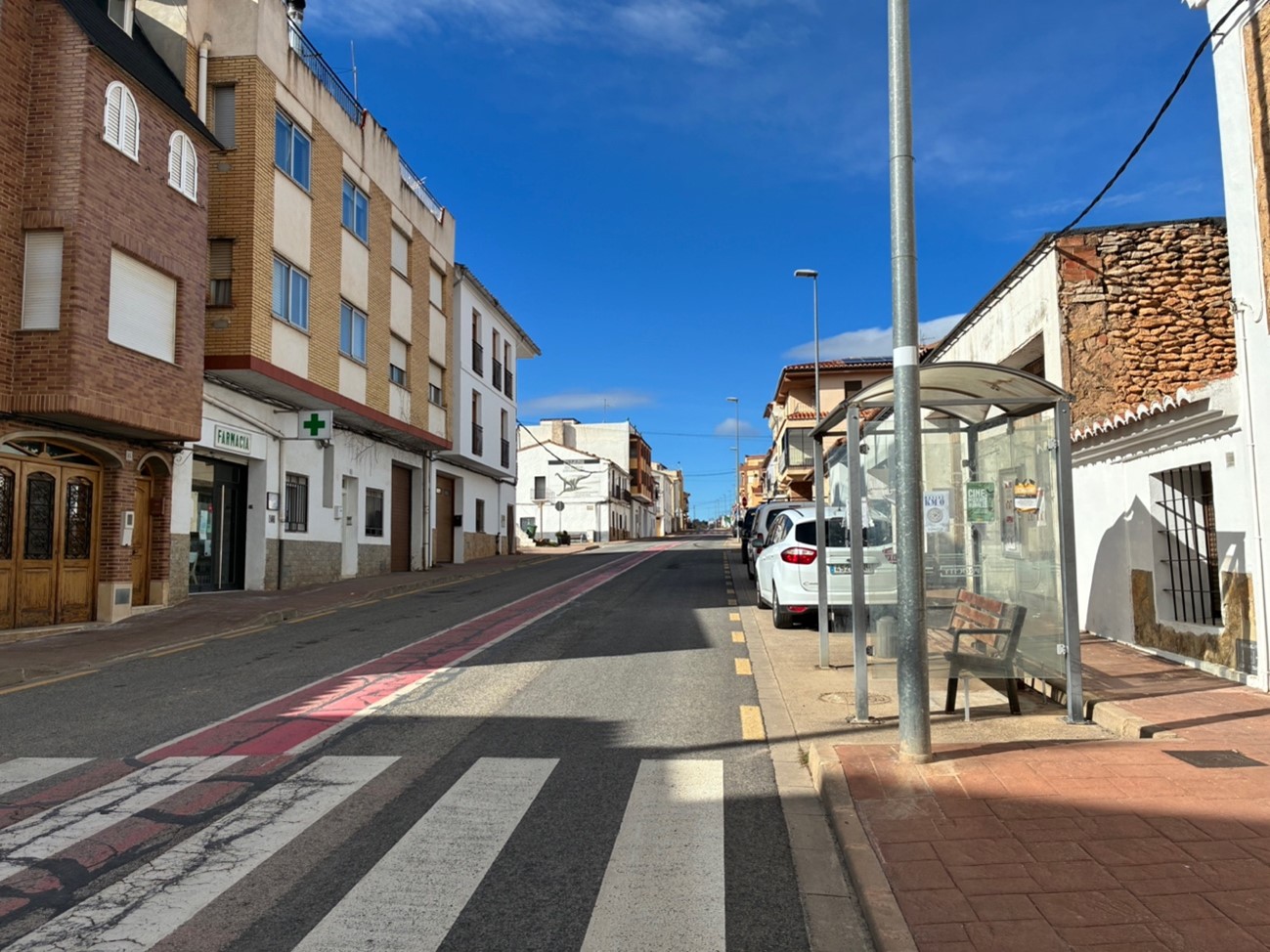
Transport highlighted one of the territory’s most persistent structural tensions. The scarcity of public services, reliance on family members for travel, and distances between municipalities make mobility a critical factor for accessing care, community activities and health services. Even where certain resources formally exist, their effective availability is constrained by rural logistics, reminding us that accessibility is not merely a matter of provision, but also of capacity for use.

Housing, much of it traditional, presents additional challenges. Internal staircases, narrow doorways, outdated heating systems and difficulties in adaptation directly affect the possibility of ageing at home, one of the most common aspirations among older people. As the WHO notes, housing is a fundamental pillar of functional and emotional capacity, and in Alto Turia it emerges as a space where material and symbolic vulnerabilities converge.

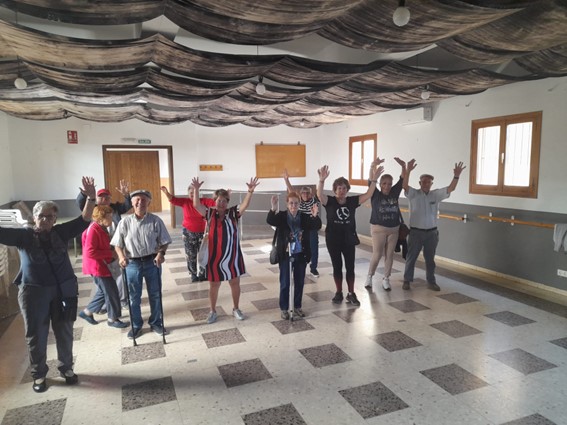
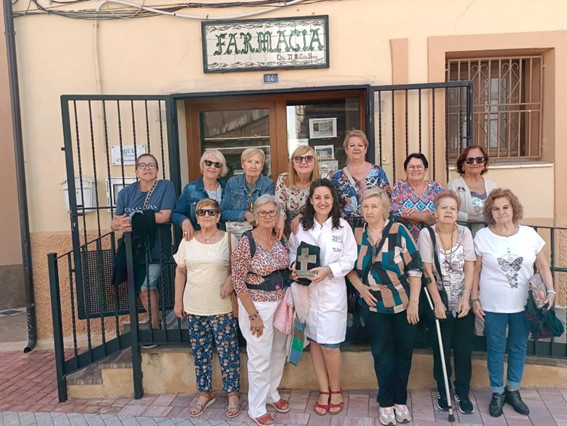
Social participation demonstrated the importance of interpreting this domain through the lens of community scale. In small villages, informal interactions — conversations in the bar, meetings at the pharmacy, or occasional agricultural collaboration — are as valuable as, if not more valuable than, organised activities. Fundación El Olmo observed that these everyday ties act as buffers against isolation and generators of meaning, aspects that are difficult to capture through conventional indicators but are fundamental to assessing the quality of ageing in rural areas.

The domains relating to respect, social inclusion and civic participation revealed how older people continue to play significant roles in community life, whether through agricultural work, volunteering or leadership in local initiatives. Cultural attitudes towards ageing, public visibility and the continuity of intergenerational practices significantly influence social cohesion, particularly in territories where depopulation is rapidly reshaping community balances.

In the area of communication and information, Fundación El Olmo identified significant digital divides, but also the persistence of highly effective interpersonal communication networks. Although digitalisation is becoming indispensable for accessing certain services, many individuals still depend on informal intermediaries, local institutions and direct contacts to remain informed about community life. This duality constitutes both a challenge and an opportunity for hybrid communication models adapted to the territory.

Analysis of the domain relating to community support and health services made it possible to map not only the availability of formal resources, but also their articulation with informal care networks. In Alto Turia, institutions, families, neighbours and associations function as an interdependent fabric sustaining the daily lives of older people. This interconnectedness demonstrates that rural care systems cannot be understood solely from the perspective of public provision, but rather as community assemblages in which different actors creatively fill gaps.

The application of the WHO framework generated relevant learning for Fundación El Olmo and for SONYA. Firstly, it showed that interdependencies between domains are particularly intense in rural contexts: transport conditions access to services; housing influences mobility; digital skills determine social participation. It also made clear that informal networks compensate for structural limitations and that seemingly small interventions can produce significant improvements in small-scale communities. Furthermore, it confirmed that the international framework functions effectively in rural settings, provided it is used flexibly and contextually.

Fundación El Olmo played a key role in this process by acting as a bridge between European methodological design and the territory’s everyday reality. Its sustained presence in the region made it possible to gather in-depth qualitative data, identify community assets and challenges, and translate a global conceptual framework into practical observations to inform decision-making. This mediating role aligns with SONYA’s methodological premise: that innovation in care must be built from the territory, rather than imposed upon it.

Overall, the experience in Alto Turia demonstrates that international frameworks, when interpreted with territorial intelligence, can become powerful tools for guiding care policies and practices in rural areas. Beyond identifying deficiencies, the WHO approach helped reveal invisible strengths, social capital and opportunities for innovation that reinforce the community’s capacity to address the challenge of ageing. The Alto Turia Living Lab not only contributes data to the SONYA project; it also helps redefine how rural ageing is understood in Europe and what types of interventions can generate sustainable and equitable transformation.

Innovation Rooted in Place: Learning from Alto Turia’s Care Ecosystem

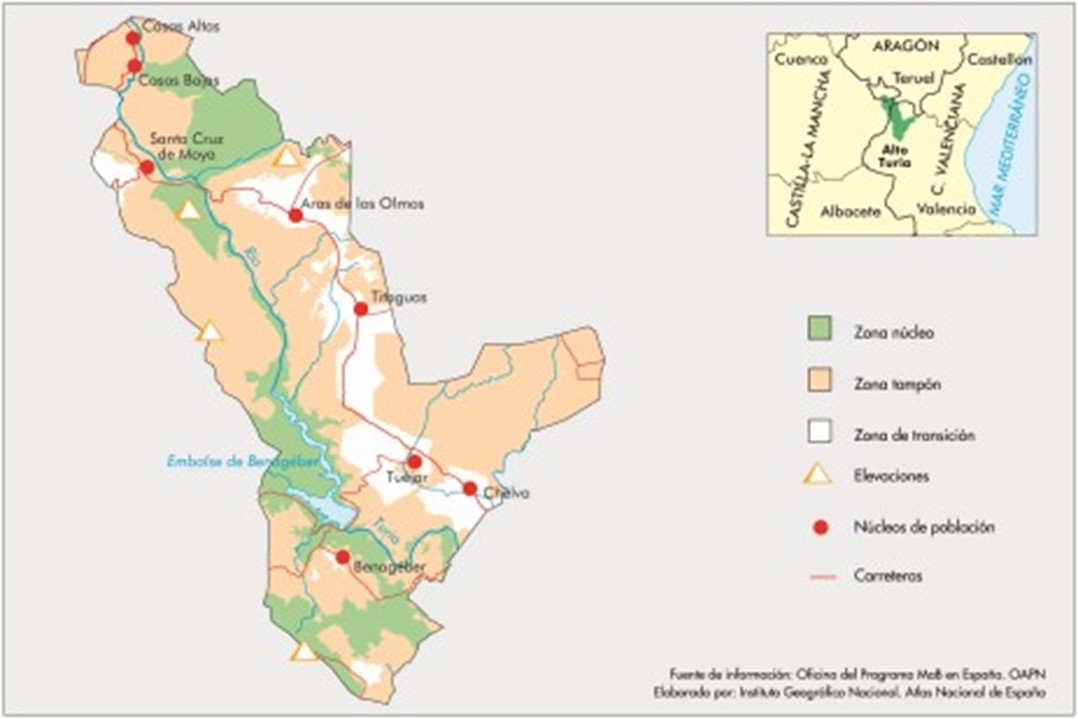
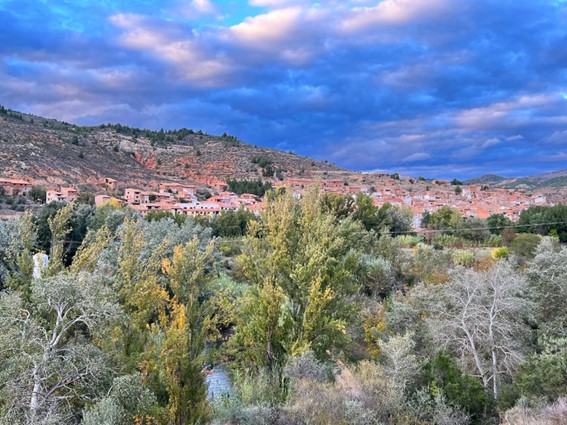
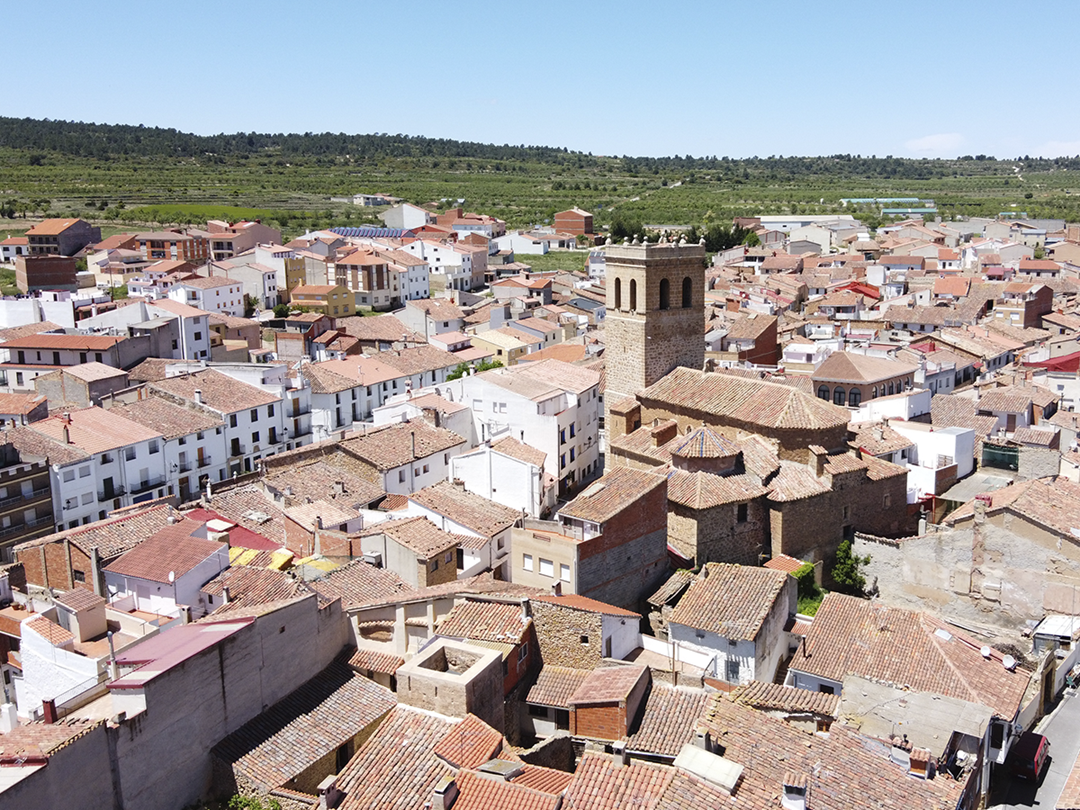
The Alto Turia territory constitutes a privileged setting for understanding how innovation in long-term care gains meaning, depth and applicability when developed in real-life contexts rather than artificial experimental environments. Within the SONYA Horizon Europe project, the participation of the El Olmo Foundation positions this rural region of the interior of the Valencian Community as a European Living Lab: a space where everyday dynamics, community ties and structural shortcomings become fundamental inputs for rethinking care systems.

This approach responds directly to SONYA’s core principles, which emphasise contextual sensitivity, methodological consistency and a participatory orientation that avoids the mere imposition of external models. In this sense, the Alto Turia Living Lab represents not only a field of study, but also a source of situated knowledge that sheds light on the complexities of ageing in rural European areas.

Why Alto Turia?

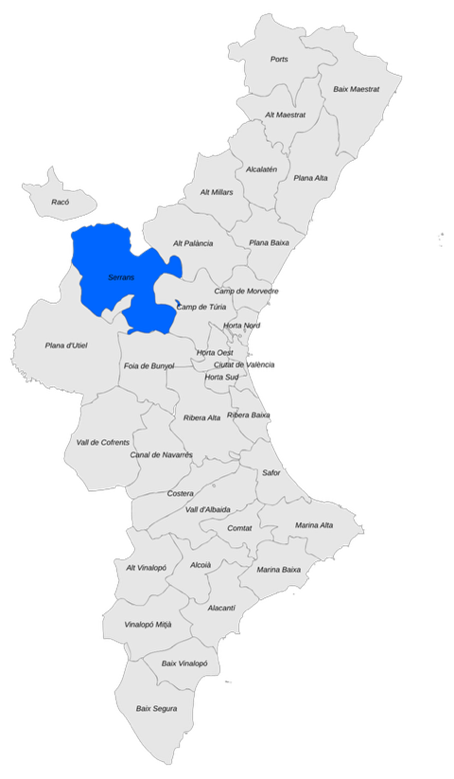
The selection of Alto Turia as a Living Lab site is no coincidence. This enclave, located in the Valencian Community, forms part of the Alto Turia Biosphere Reserve and is recognised for its natural and human value, as well as for its commitment to sustainable development. It is characterised by a sparse and ageing population, small municipalities separated by winding distances, and an economy based on agriculture, forestry and seasonal activities.

The limited availability of specialised services coexists with a strong tradition of community self-organisation and informal mutual support. For the El Olmo Foundation, these characteristics offer a strategic opportunity to analyse how care systems operate in contexts where formal resources are insufficient and where social cohesion is both a strength and a source of vulnerability. Rural dynamics make visible problems, strategies and values that often remain unnoticed in urban or institutional environments, providing indispensable analytical depth for SONYA.

The El Olmo Foundation plays a central role in translating SONYA’s methodological framework into local reality. Its long-standing presence in the region has facilitated the building of trust — a critical condition for conducting interviews, workshops and community dialogues that require social legitimacy and cultural sensitivity.

Rather than applying the methodology rigidly, the Foundation acts as an interpreter between European project approaches and everyday territorial practices. This mediation ensures that research activities are perceived not as intrusive, but as collaborative spaces that recognise and value the experience of the rural population. In line with SONYA’s guidelines, the effectiveness of a Living Lab depends on its capacity to adapt to the rhythms, codes and expectations of the community in which it is embedded.

Ageing, care and interdependence in Alto Turia

The demographic structure of Alto Turia reflects trends common across rural Europe: an ageing population, the continuous decline of younger cohorts and a marked reliance on informal care. Older residents often express a strong desire to remain in their own homes, even when distance from essential services limits their autonomy. Family carers assume intense and multifunctional responsibilities, while local councils strive to sustain basic provision with limited budgets.

At the same time, strong social interdependence is evident in everyday practices such as sharing transport, looking out for vulnerable neighbours or maintaining regular social contact to mitigate loneliness. For SONYA, these dynamics illustrate how care ecosystems evolve under demographic pressure and contribute to a more realistic understanding of the challenges and opportunities faced by rural regions.
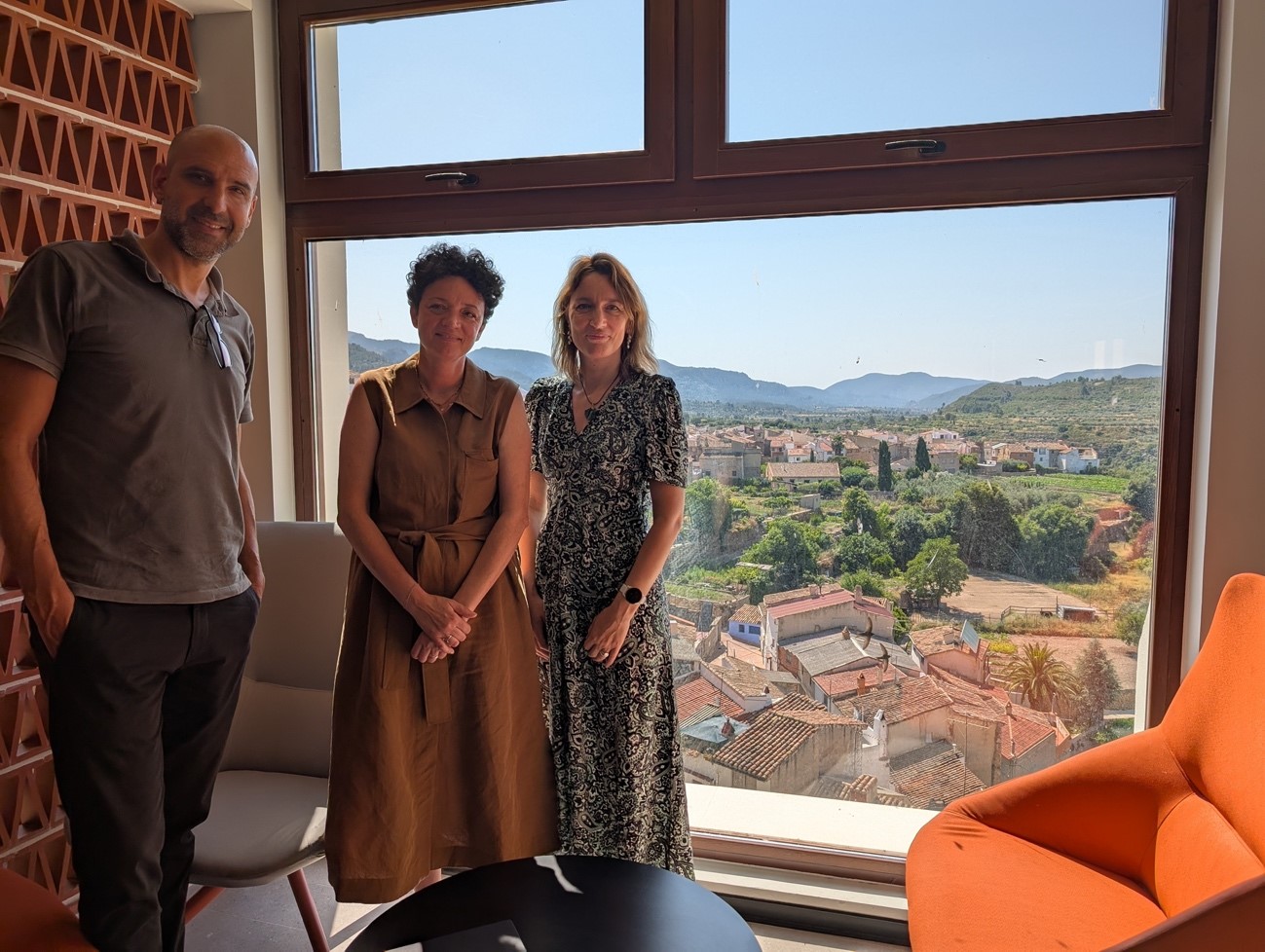
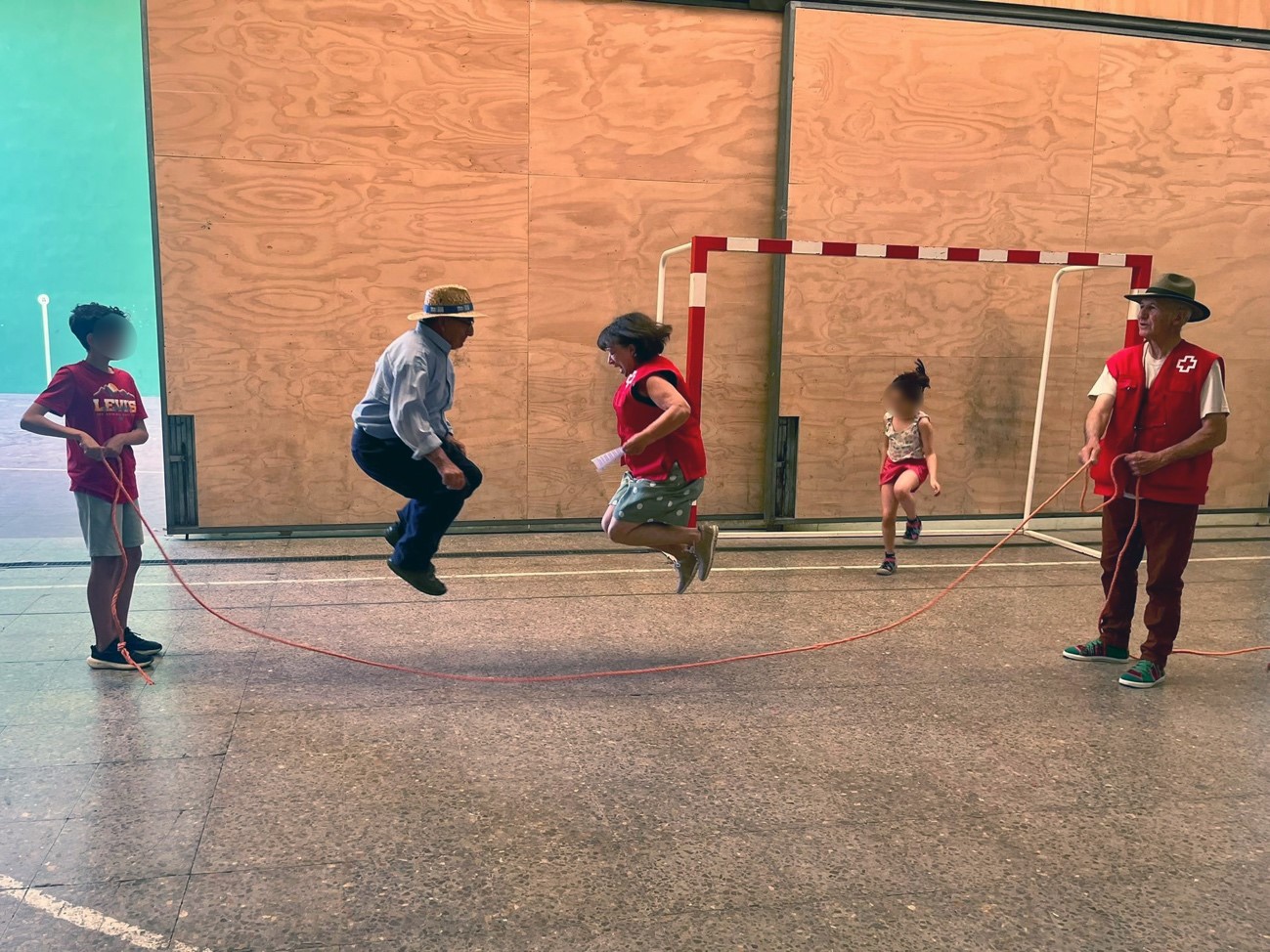
The interviews and activities carried out within the Living Lab were diverse and complementary, designed to capture the complexity of the local care ecosystem. Flexible interviews were conducted with a wide range of key actors, including organisations such as the Red Cross and the Colisée Foundation; professionals from social and healthcare services; representatives from local municipalities and regional administrations; and local associations, caregivers and care workers.

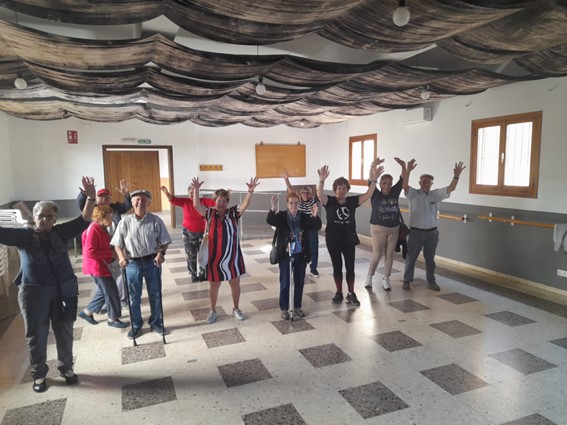
Community dialogues promoted by the El Olmo Foundation enabled an in-depth exploration of perceptions of ageing, expectations regarding care, and concerns related to dependency or institutional care. These exchanges ensured that multiple perspectives — formal and informal, professional and experiential — were integrated into the research process.

Rural challenges, rural innovation

Rurality introduces both constraints and opportunities for innovation. Geographic isolation strongly conditions access to services, and solutions designed for urban environments rarely translate without significant adaptation. The scarcity of professionals, the centralisation of healthcare services and limited transport options require alternatives that acknowledge these structural realities.

At the same time, local social networks provide emotional and practical support that partially compensates for gaps in the formal system. Neighbourly solidarity, the multifunctional role of small businesses and municipal creativity sustain fragile yet resilient care spaces. The Living Lab demonstrates that meaningful innovation must be co-created, context-aware and sensitive to rural ways of life.

From local practice to European learning

Adapting the SONYA conceptual framework to a rural environment involved mapping local care flows, identifying bottlenecks in mobility and communication, making informal caregiving work visible, and recognising community strengths that fulfil essential functions despite lacking institutional recognition.

This process allows local observations from Alto Turia to be connected with broader European patterns, integrating rural experience into a framework of transnational learning. The relationship between theory and practice becomes bidirectional: concepts are adjusted to reality, while lived experience reshapes conceptual understanding. These insights directly inform SONYA’s work on adaptable, context-sensitive care models with relevance for rural territories across Europe.

Alto Turia stands out as a Living Lab due to its manageable scale, which facilitates in-depth relational research; the proximity between researchers and residents, which accelerates feedback; the resilience of its communities in the face of demographic decline; and the authenticity of learning generated through everyday life. These attributes confirm that real contexts offer far greater value than controlled environments for producing meaningful knowledge on long-term care innovation.

Contributions to SONYA and beyond

The Living Lab’s contributions to SONYA are multiple. It provides qualitative data grounded in rural experience, reveals gaps between formal care models and lived realities, illustrates how care ecosystems function under demographic pressure, and identifies innovation opportunities rooted in community strengths. It also demonstrates that SONYA’s conceptual frameworks can be effectively adapted to diverse rural settings.

From the perspective of the El Olmo Foundation, several key lessons emerge: rural innovation depends on trust-based relationships; methods must be tailored to local contexts; communities are co-producers of knowledge; rural care requires integrated networks and local leadership; and Living Labs thrive when community empathy is combined with methodological rigour.

The participation of Alto Turia in SONYA extends beyond the territory itself. Its inclusion ensures that rural Europe is not marginalised in debates on care innovation, but instead plays a central role. The learning generated in this Living Lab informs local decision-making while enriching the European conversation on how to ensure dignified ageing in low-density areas with limited resources.

Alto Turia shows that innovation is not only possible in rural contexts — it is essential and already under way, driven by the resilience and practical knowledge of its inhabitants. SONYA provides the structure; the territory provides the lived experience that gives transformation its meaning.

Behind the scenes: how Fundación el Olmo led the interview process in the Alto Turia Living Lab

Within the framework of the European project SONYA, fieldwork has been carried out in the Alto Turia territory, conceived as one of the project’s three Living Labs, along with Italy (Trentino) and Bulgaria (Vidin), where technical methodologies have been brought into dialogue with the real-life experiences of those who sustain care in rural contexts. In Alto Turia, an area characterised by geographical dispersion, an ageing population and the strength of community ties, the El Olmo Foundation took on the responsibility of leading an interview process that was not only intended to produce data, but also to open up a space for deep listening. This work made it possible to reveal the complexity of care in low-density population areas, where everyday dynamics challenge traditional analytical frameworks.

From the outset, at the El Olmo Foundation we understood that conducting interviews in a rural territory means working within an ecosystem where formal services do not reach everywhere and where families play a central role in the sustainability of care. For this reason, the interviews were conceived not as rigid questionnaires, but as open and sensitive conversations, capable of capturing the tension between the strength of community networks and the fragility that emerges when ageing, distance and lack of resources intertwine. In this sense, only through contextualised narratives is it possible to understand the true emotional and logistical burden of rural care.

Preparing the ground was, in itself, an exercise in ethics and legitimacy. Despite its historical roots in the region, the El Olmo Foundation knew that trust is not automatic: it must be built. Before beginning the interview work, the team devoted weeks to meeting with local services and actors, explaining the objectives of the project, clarifying participation rights and ensuring that the population understood that their contribution was voluntary. This preliminary work created conditions of openness, reduced suspicion and allowed the interviews to be perceived as an opportunity to express long-accumulated concerns.

The training of the interviewing team constituted another essential pillar of the process. As this was a study addressing experiences of burden, fear, exhaustion or uncertainty, training based on simulated interviews, shadowing exercises and ethical review sessions was fundamental. The semi-structured interviews made it possible to address real situations, from conversations with overburdened carers to interviews with local professionals who had to balance their technical identity with their community belonging. Shadowing practices, in turn, offered novice interviewers the opportunity to observe first-hand how rapport is established, how silences or intense emotions are managed, and how the pace of the conversation is adapted to the context of the home, an intimate and meaningful space in the experience of rural care.

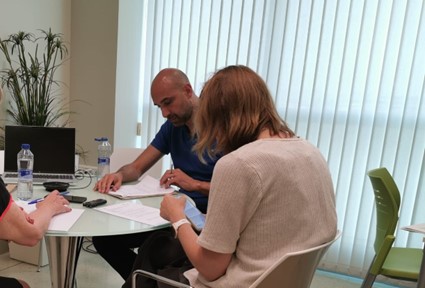
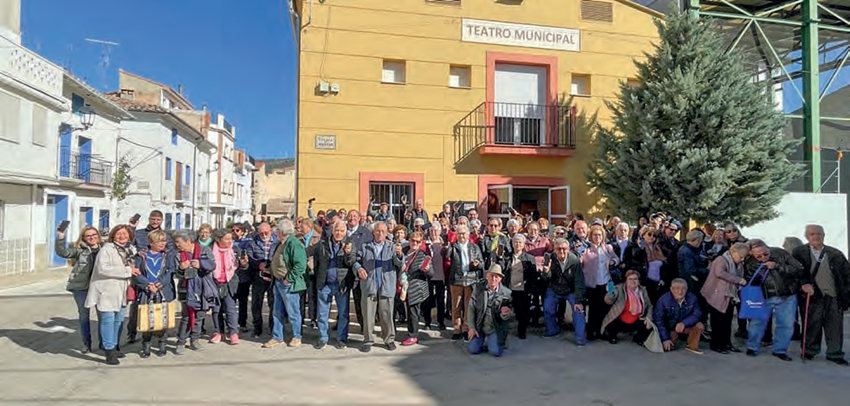
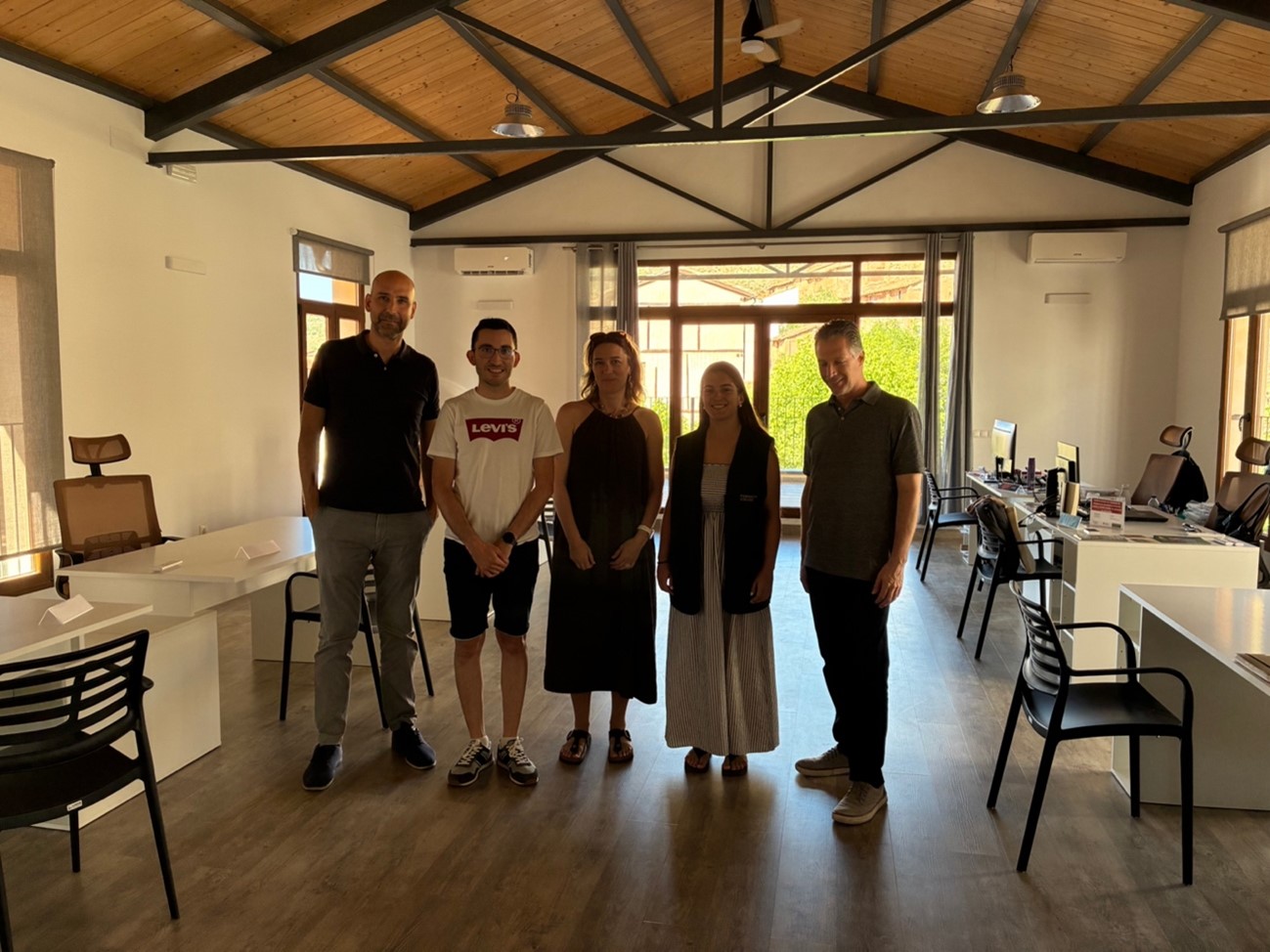
In the initial phase of the interviews, both the training sessions delivered to the partners of the SONYA project and the visit to our territory by the team from Rennes School of Business, the coordinating entity of the project, proved particularly valuable. During those days (25, 26 and 27 June 2025), the interviews were conducted across Valencia, Chelva, Aras de los Olmos and Casas Bajas. Throughout this process, it is worth highlighting the strong commitment and collaborative attitude of the various stakeholders involved, which made it possible to establish highly productive dialogues at all levels. These exchanges involved political representatives from the fields of health and dependency, faculty members from the Faculty of Social Sciences at the University of Valencia, representatives of local administrations, organizations with a presence in the territory such as the Colisée Foundation and the Red Cross, social work professionals, local associations, formal and informal caregivers, as well as older adults.The interviews guided by the coordinating team made it possible to apply the methodology designed within the project to the local reality and to understand how to adapt its structures to the social context of the Living Lab.

In the field, flexibility became an indispensable methodological tool. The interviews were guided by a semi-structured framework, which made it possible to adjust the discourse according to the participant’s profile: family carer, healthcare professional, older person or representative of a local service. The physical environment — often the participant’s own home — provided valuable information about routines, domestic adaptations, the distances that shape everyday travel and the presence or absence of family support. These observations, although not always incorporated as formal data, endowed the team with a more nuanced understanding of the care ecosystem.

The consent process was designed to be clear and accessible, avoiding technical jargon and ensuring that each person understood precisely the purpose of the study, their rights and the destination of the information. Confidentiality was treated with particular caution: in small villages, indirect identification is a constant risk. For this reason, interviews were organised in appropriate locations and strict anonymisation strategies were applied in line with European Union regulations. These measures were complemented by emotional management practices, so that the team was equipped to pause, modify or even cancel an interview if the well-being of the interviewee so required.

The geographical dispersion of Alto Turia introduced significant logistical challenges. Long journeys between municipalities and the reorganisation of schedules according to the availability of carers — almost always limited by the demands of care — required the team to maintain a continuous capacity for adaptation. However, this same geography revealed essential aspects of rural care: involuntary loneliness, dependence on private vehicles, and the fragility that emerges when a healthcare resource is more than thirty kilometres away.

As the fieldwork progressed, patterns began to emerge which, without offering definitive conclusions, pointed towards structural realities of rural care. The burden on carers was evident and deeply unequal. Formal services, although valued, were insufficient to cover crucial needs, especially during emergencies or in situations of advanced dependency. Professionals expressed the need for greater coordination and emotional support, and older people showed a mixture of gratitude for family assistance and concern about the progressive loss of autonomy. Mobility, inherently limiting in mountainous areas, influenced not only access to services but also the ability to maintain social ties.

These initial observations reinforced the conviction that the interviews were not merely a mechanism for collecting data, but an act of recognition towards those who sustain care under difficult conditions. In many cases, interviewees expressed relief at feeling heard, stating that it was the first time someone had asked how they were, and not only how the dependent person was.

SONYA at EMES: a call for participatory, multi-actor governance in rural social care

At the EMES event in November 2025, Petya Puncheva, Coordinator of the this SONYA project, and from Rennes School of Business, presented early insights on how Social Economy Organisations (SEOs) can anchor inclusive, sustainable rural care systems for older adults. SONYA’s core message is clear: only participatory, networked governance—bringing SEOs, public agencies, private providers, carers and older adults into shared decision-making—can address the interlocking challenges of access, quality and decent work in sparsely populated areas.

The project investigates macro/meso/micro conditions that enable or hinder collaboration among SEOs and other providers, across three Living Labs: Trentino (Italy), Alto Turia (Spain), and Ruzhintsi (Bulgaria). SONYA’s qualitative study ran from February to September 2025.

On governance, SONYA warns that current public tendering practices can favour underbidding, with “social dumping” pressures on wages and service continuity. As one SEO manager put it: “I submit a bid, justifying why I am willing to lose 30% while still guaranteeing proper pay.” Such dynamics risk degrading quality and squeezing mission-driven actors out of local markets.

The people challenge is equally stark. A manager reports “crazy turnover… around 70%” in frontline organisations, reflecting low pay, burnout, and competition with public-sector conditions; meanwhile, some SEOs note an ageing volunteer base, “our youngest members… are 50.” These trends threaten continuity just as demographic ageing raises demand.

Mobility and logistics also weigh heavily on care workers. In rural geographies, travel time can stretch schedules dramatically: “A 38-hour home-care job… you end up doing 60 hours because of the commuting.” Addressing route planning and territorial coordination is therefore pivotal to worker wellbeing and access for older adults.

Beyond systems and schedules lies reciprocity—the felt experience of giving and receiving—which SONYA identifies as central to older adults’ inclusion but poorly recognised in formal service design and job definitions. As one volunteer said: “Volunteering gives you a reason to get up in the morning… it helps us feel useful.” Recognising and resourcing the associative fabric, local associations and informal networks, emerges as a decisive lever for inclusion.

IPS‑BAS with Expert Participation in the Forum “Europe Is with Me”

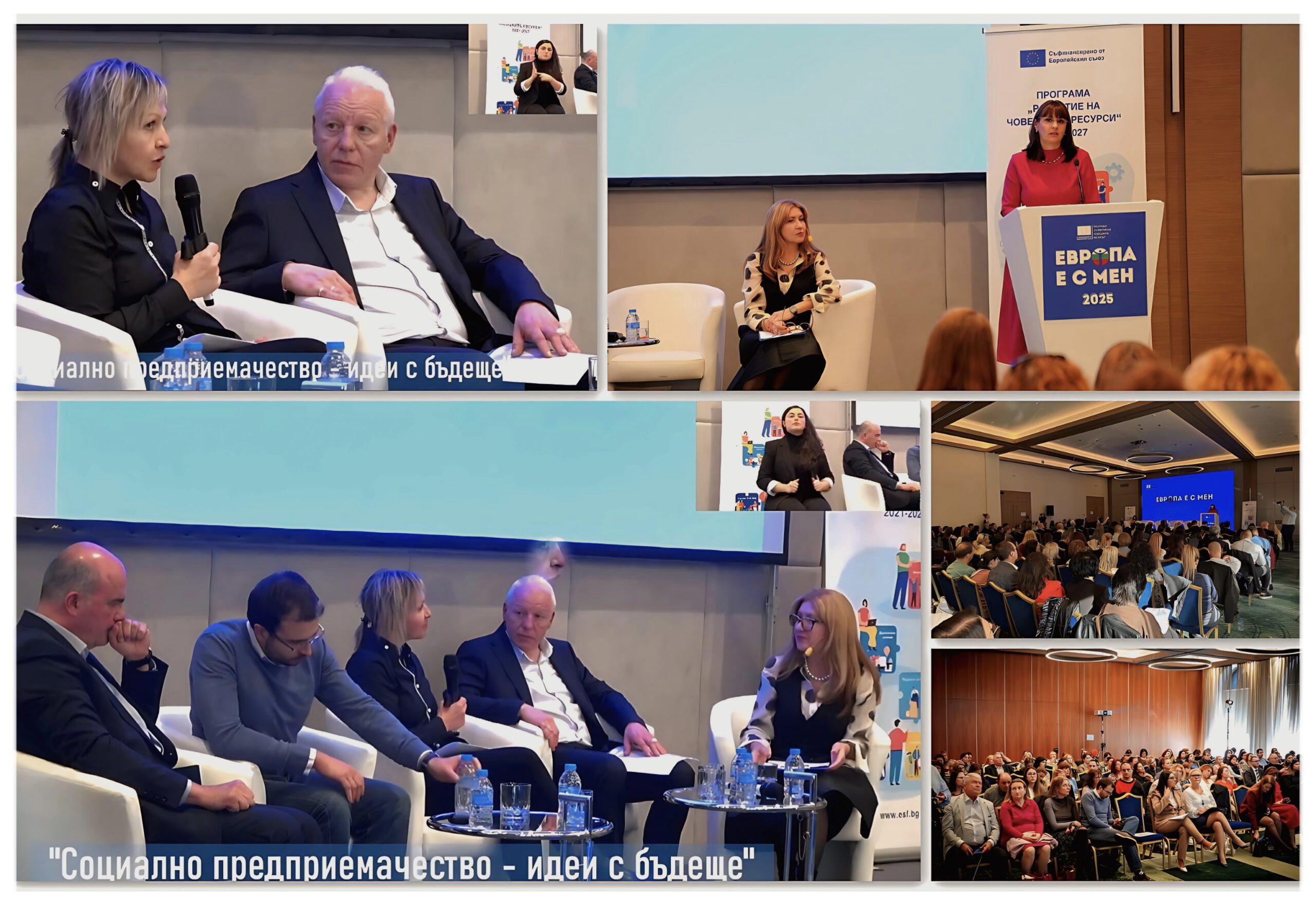
At the invitation of Bulgaria’s Deputy Minister of Labour and Social Policy, Natalia Efremova, Assoc. Prof. Dr Gabriela Yordanova of the Institute of Philosophy and Sociology at the Bulgarian Academy of Sciences (IPS–BAS) took part in the second edition of the forum Europe Is with Me, organised by the Human Resources Development Programme at the Sofia Hotel Balkan.

Held under the motto “Demographic Compass – Which Is the Right Direction”, the event brought together institutions, partners, and potential beneficiaries around the key themes of employment, social inclusion, and youth policies. In the panel “Social Entrepreneurship – Ideas with a Future”, Assoc. Prof. Yordanova presented the SONYA project and helped steer the discussion toward two pivotal questions:

  • What mechanisms for developing social entrepreneurship are being implemented in Spain, Italy, France, and Australia, and to what extent is them know‑how applicable in Bulgaria?
  • How can the sustainability and organisational capacity of social enterprises be strengthened?

“Social inclusion does not end with providing services to vulnerable groups; it also means creating opportunities to overcome isolation through decent work. For many people in disadvantaged situations, this practically means employment in a social enterprise.”, said Assoc. Prof. Dr Gabriela Yordanova

Population ageing: a call to action

During the panel discussions, participants examined the challenges associated with population ageing. It was emphasised that the growing number of older people will lead to an increased demand for daily care, raising strategic questions about reforming social service delivery, attracting more professionals to the social sector, and conducting in‑depth analyses on the role of new technologies in care and support.

The parallel event “Social Inclusion in Step with the Times” aimed to initiate a broader discussion on the possibilities for transforming the profile and mechanisms of social service delivery. Municipalities presented good practices that explore ways to respond to the increasing need for support among people facing difficulties in their daily lives.

Social entrepreneurship: ideas with a future

In addition to financing opportunities, the forum featured, for the first time, international experiences in developing the social economy. Drawing on insights from the SONYA project and comparative practice, Assoc. Prof. Yordanova highlighted that the most successful examples emerge where social enterprises develop within a broader national and local policy framework for the social economy:

  • Spain: Cooperative models and community‑based enterprises integrated into territorial development.
  • Italy: Legally recognised social cooperatives with preferential treatment and strong local anchoring.
  • France: Mission‑driven enterprises aligned with public‑interest objectives and impact reporting.
  • Australia: Tripartite partnerships among universities, businesses, and communities that catalyse innovation and scaling.

What this means for Bulgaria

Building on the experiences from Spain, Italy, France and Australia, the lessons with the strongest transfer potential for Bulgaria converge around three complementary levers.

First, consistent institutional support is essential: clear and stable rules, recognition of social value in public procurement and financing, and multi‑year funding that rewards outcomes allow social enterprises to plan, invest, and scale. Second, targeted education and capacity building across the ecosystem, from entrepreneurship programmes and managerial training to mentoring and peer learning for frontline teams, help professionalise operations while preserving mission. And third, sustainable cooperation networks that connect state institutions, municipalities, business, and civil society create a functioning ecosystem that coordinates services, opens markets, and sustains innovation at the local level.

Through SONYA, we contribute evidence and international exchange to inform these directions in Bulgaria.

Forum priorities

Across its three parallel events, Europe Is with Me examined how the Human Resources Development Programme’s priorities play out in practice.

The discussions focused on practical ways to boost employment and skills, by aligning training with labour‑market needs and supporting up‑/reskilling; to advance social inclusion and equal opportunities through flexible, person‑centred services that reduce access barriers; and to open clearer pathways into work for young people, from career guidance to first‑job support and entrepreneurship opportunities.

Watch the recording (in Bulgarian): https://www.youtube.com/live/9ojANBRm4NU?si=o6z2CHbCXKz6DMNy

SONYA Sister Projects at Murcia’s Social Economy Summit

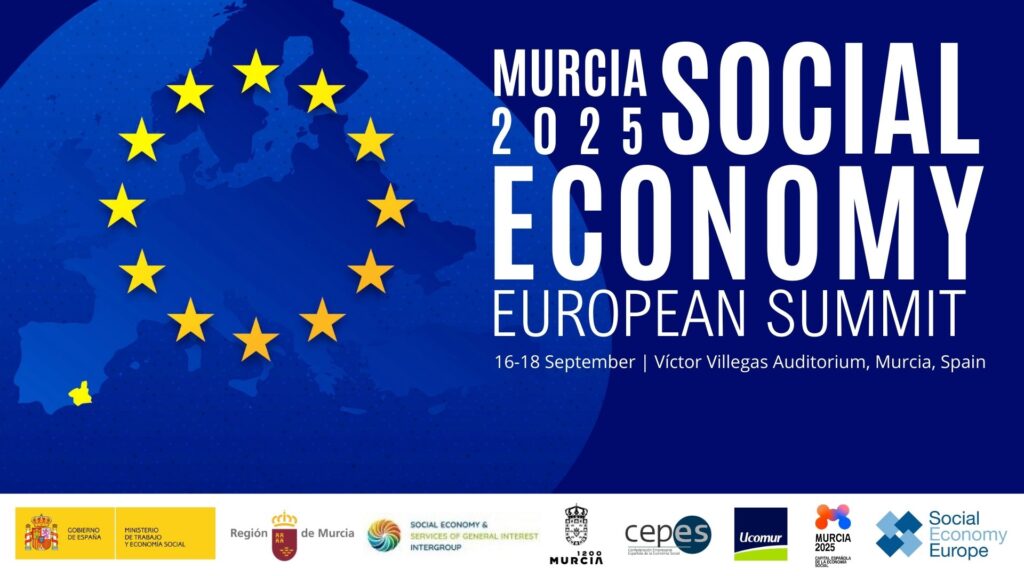
On 18 September 2025, a session on Research and Innovation in the Social Economy Ecosystem took place during the Murcia 2025 Social Economy European Summit. Co-organised by four EU-funded projects — ASSETS, DICES, EMCCINNO, and WISESHIFT — the session showcased how research and innovation can support the growth, resilience, and policy recognition of the social economy across Europe.

The discussion created a dynamic exchange with participants and policy officers, including representatives from the European Commission’s DG Employment, who stressed the importance of providing robust policy evidence to shape EU measures in support of social economy actors.

A shared effort to showcase impact

Speakers emphasised that research is not just about producing outputs, but about building strong relationships, empowering communities, and opening pathways for collaboration. The four projects presented their contributions:

  • ASSETS is advancing tools to measure social and environmental impact, establishing Living Labs, and creating evidence-based knowledge to inform regulatory frameworks and policies.
  • DICES is strengthening governance frameworks in social economy organisations, with a particular focus on combating exclusion and improving working conditions, including in the care sector – a theme closely aligned with SONYA’s mission.
  • EMCCINNO is exploring how cultural and artistic social enterprises can drive sustainable climate transitions, bringing creativity into the social economy.
  • WISESHIFT is providing new insights into Work Integration Social Enterprises (WISEs), addressing their role in employment, inclusion, and sustainable practices in areas such as circular economy, agri-food, and community care.

Together, these projects are working to reshape the perception of research as a process of co-creation and collective intelligence, rather than a closed “black box”.

Why it matters for SONYA

The themes discussed, co-creation, improved governance, Living Labs, and the role of WISEs, align closely with SONYA’s mission to empower social economy organisations (SEOs) to improve care services for older people in rural areas.

SONYA’s ongoing work and pilots complement this ecosystem by demonstrating how SEOs can deliver accessible, inclusive, and high-quality care while contributing to social inclusion and sustainable territorial development.

Looking ahead

This collaborative experience will not stop in Murcia. We are preparing for upcoming joint sessions in Rotterdam and Utrecht, where they will continue to explore synergies, present results, and advocate for policies that strengthen the social economy.

As highlighted by participants, policy officers value initiatives led by practitioners and real-life examples of impact. By contributing its on-the-ground knowledge and engaging with its sister projects, SONYA is helping to ensure that the voice of rural communities and care-focused SEOs is heard at European level.

Privacy Overview

This website uses cookies so that we can provide you with the best user experience possible. Cookie information is stored in your browser and performs functions such as recognising you when you return to our website and helping our team to understand which sections of the website you find most interesting and useful.