A Milestone for SONYA: First Municipal Social Enterprise Registered in Northwestern Bulgaria

The SONYA project is delighted to announce a landmark achievement that directly reinforces its mission to strengthen the social economy in Northwestern Bulgaria. On 4 August 2025, by order of the Minister of Labour and Social Policy, the municipal company “R-Ruzha” Ltd. was officially entered into the National Register of Social Enterprises.

This development is not only historic for the Vidin region — where “R-Ruzha” is the first social enterprise of any kind — but also for SONYA. The registration provides tangible proof of impact, showing how the project’s Living Lab in Ruzhintsi can successfully serve as a real-world testing ground for innovative models of social entrepreneurship and community support.

Why This Matters for SONYA

The inclusion of “R-Ruzha” Ltd. in the national register marks a turning point for SONYA’s objectives:

  • Validation of the Living Lab model: Ruzhintsi’s Living Lab has moved beyond experimentation to concrete institutional recognition. This confirms SONYA’s approach of co-creating solutions with local stakeholders.
  • Scaling opportunities: The registration sets a precedent for replicating SONYA’s methods in other municipalities across Northwestern Bulgaria and beyond.
  • Policy alignment: By operating within the framework of the national project “Development of Social Economy”, SONYA demonstrates how its activities integrate into broader national strategies for social inclusion and local development.

Building Social Impact Through “R-Ruzha”

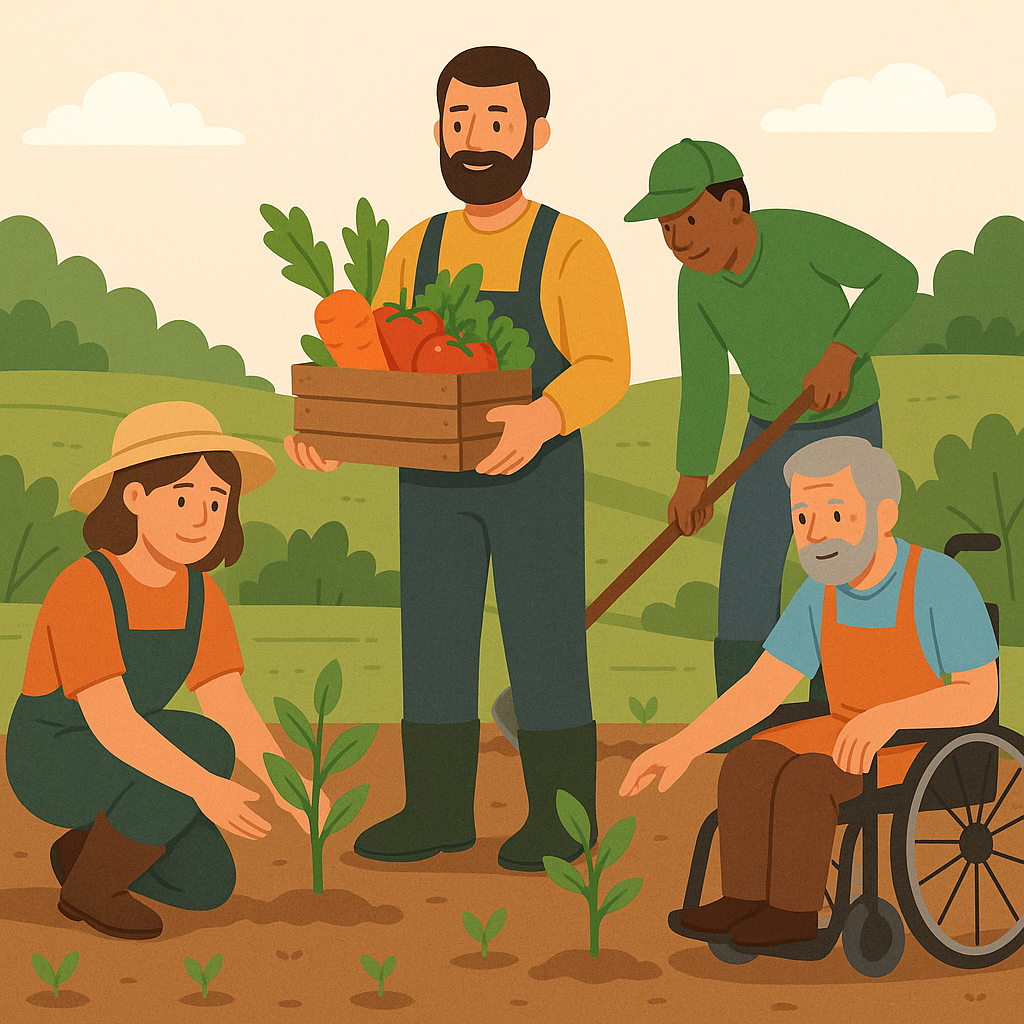
Although established in 2019, “R-Ruzha” Ltd. began operations in 2025 with a dual focus: agricultural production and the employment of people from vulnerable groups. Its work will now be embedded in municipal social policies, contributing directly to programmes such as the “Warm Lunch” initiative, food provision for kindergartens, and support for the municipal Home for the Elderly.

Future plans — including the revival of a farmers’ market that connects the enterprise with local producers — will further expand the impact. Each of these initiatives aligns with SONYA’s mission of fostering community-driven, sustainable solutions.

A Showcase for SONYA’s Vision

The registration of “R-Ruzha” Ltd. is more than a local success: it is a showcase for the SONYA project’s capacity to drive systemic change. It illustrates how rural communities can leverage social enterprises to achieve social inclusion, economic vitality, and resilience.

This milestone strengthens SONYA’s role as a catalyst for innovation in the social economy, proving that the project’s models are not just theoretical, but practical, recognised, and replicable.
Read the full announcement here

SONYA Project Update: First Insights from the Trento Living Lab

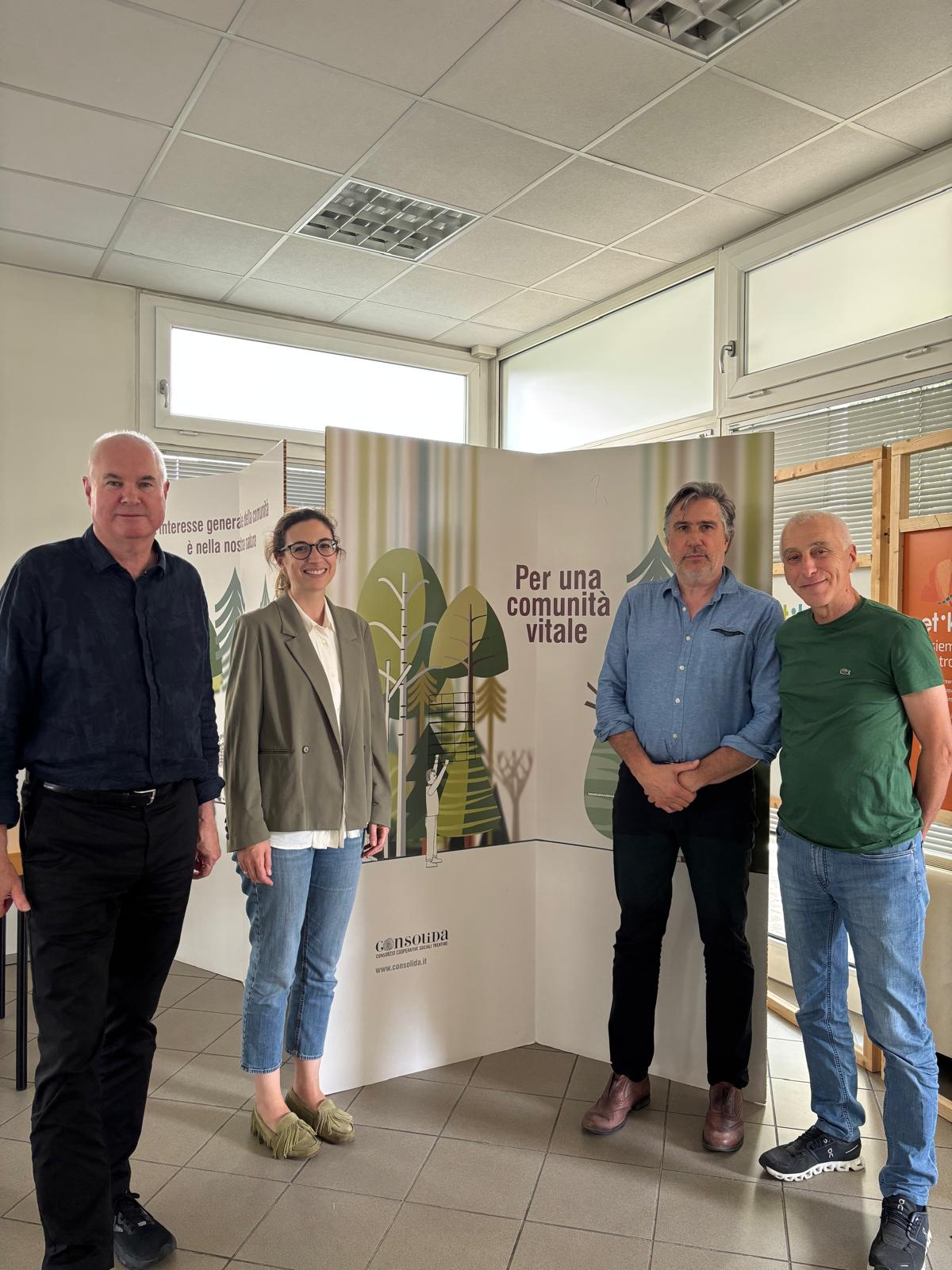
The SONYA project has reached an important milestone. During our recent visit to the rural Trento region in Italy, we collected valuable first-hand insights from 20 local stakeholders engaged—formally and informally—in the social care ecosystem.

We would like to warmly thank Silvia Scramuzza, Director of the social consortium CONSOLIDA, for facilitating meaningful engagement with local actors, and extend our appreciation to Rod McColl (Client Service Management) and Marco Michelotti (Employment Relations), both from Rennes School of Business, for their collaboration in conducting the interviews.

Who Participated?

Our team engaged with a diverse range of stakeholders, including:

  • Volunteers and community leaders from the social economy
  • Managers of care services run by social economy actors
  • Informal carers (e.g. family members)
  • Formal care workers
  • Older adults facing varied social care needs
  • Public officers from local municipalities

These dialogues revealed both the challenges and enablers of social inclusion for older adults and carers in rural settings.

What Are We Learning?

A recurring theme was the importance of voluntary and community-driven actions that often remain unrecognised by formal care systems, despite providing essential support.

Examples include:

  • A hairdresser offering home services to elderly residents with mobility limitations, creating intergenerational touchpoints
  • A local café informally supporting a neighbour with meal preparation and companionship

Such spontaneous initiatives frequently fill critical gaps in rural social care, yet often operate without formal support, facing legal, financial, and logistical hurdles.

What’s Next?

We are now working to systematically map these informal actors and practices in rural care provision. Our inquiry is guided by pressing questions:

  • What happens when informal care networks collapse—such as when a carer becomes ill?
  • What skills, networks, and resources exist—or are lacking—among rural care actors?
  • How do care needs evolve with changes in health, housing, or climate—and who is able to respond?
  • What sustains small-scale voluntary action, and what threatens its continuity?

For many older adults, community interaction is care—and social inclusion remains a fundamental gateway to well-being.

Enhancing Social Services for Older People: Insights from the SONYA Workshop in Ruzhintsi

Ruzhintsi, Bulgaria, 23rd April 2025

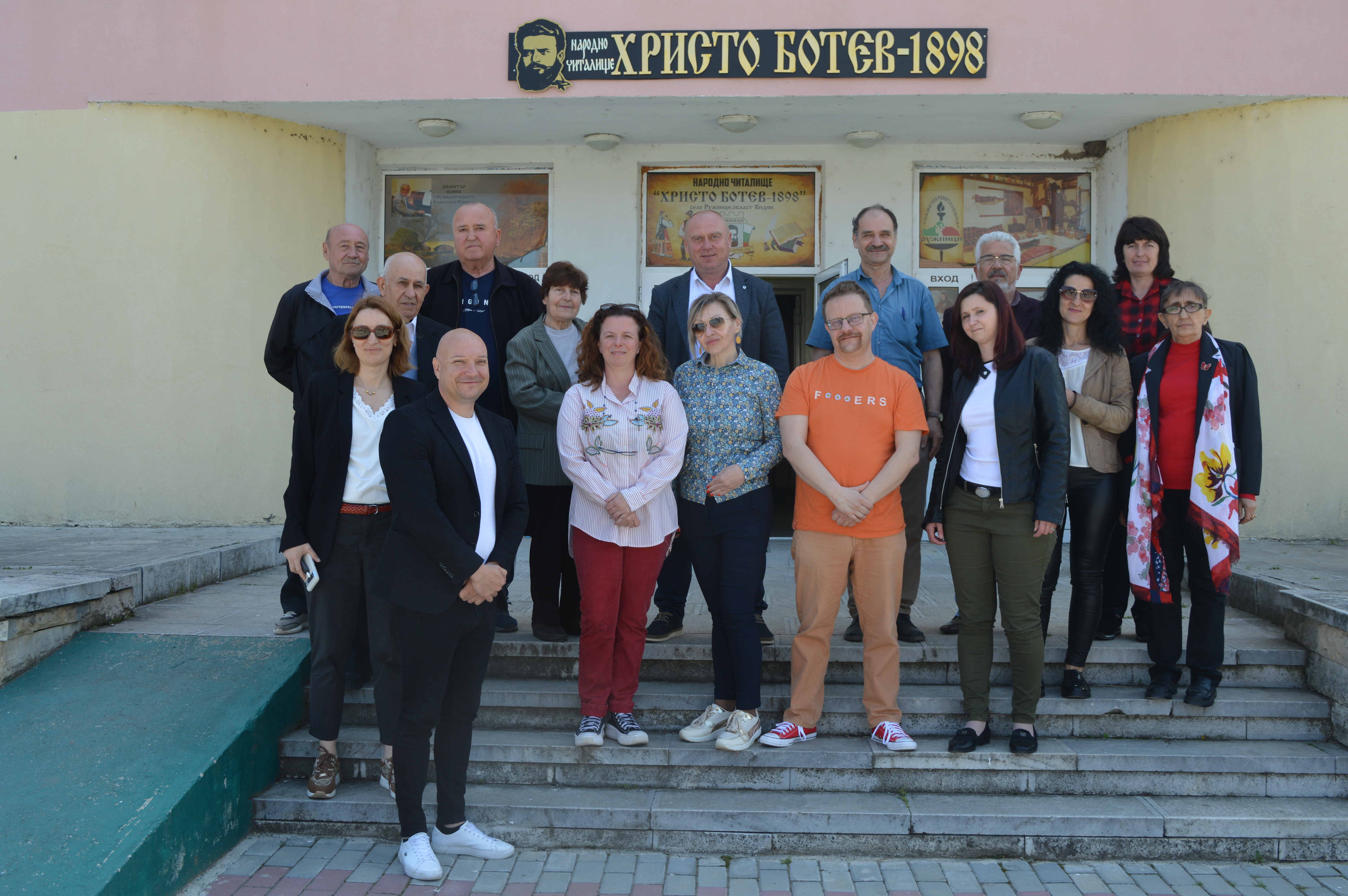
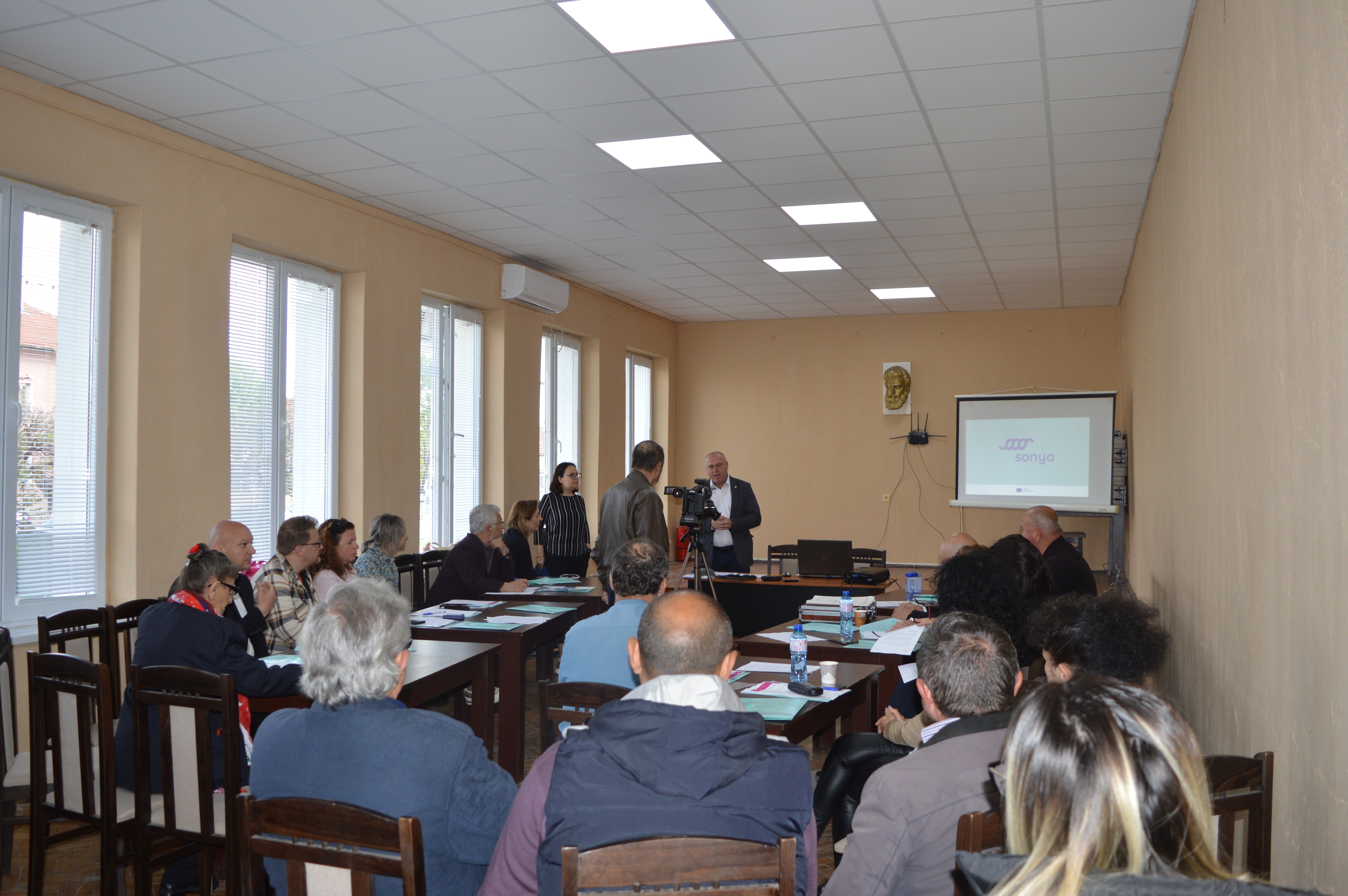
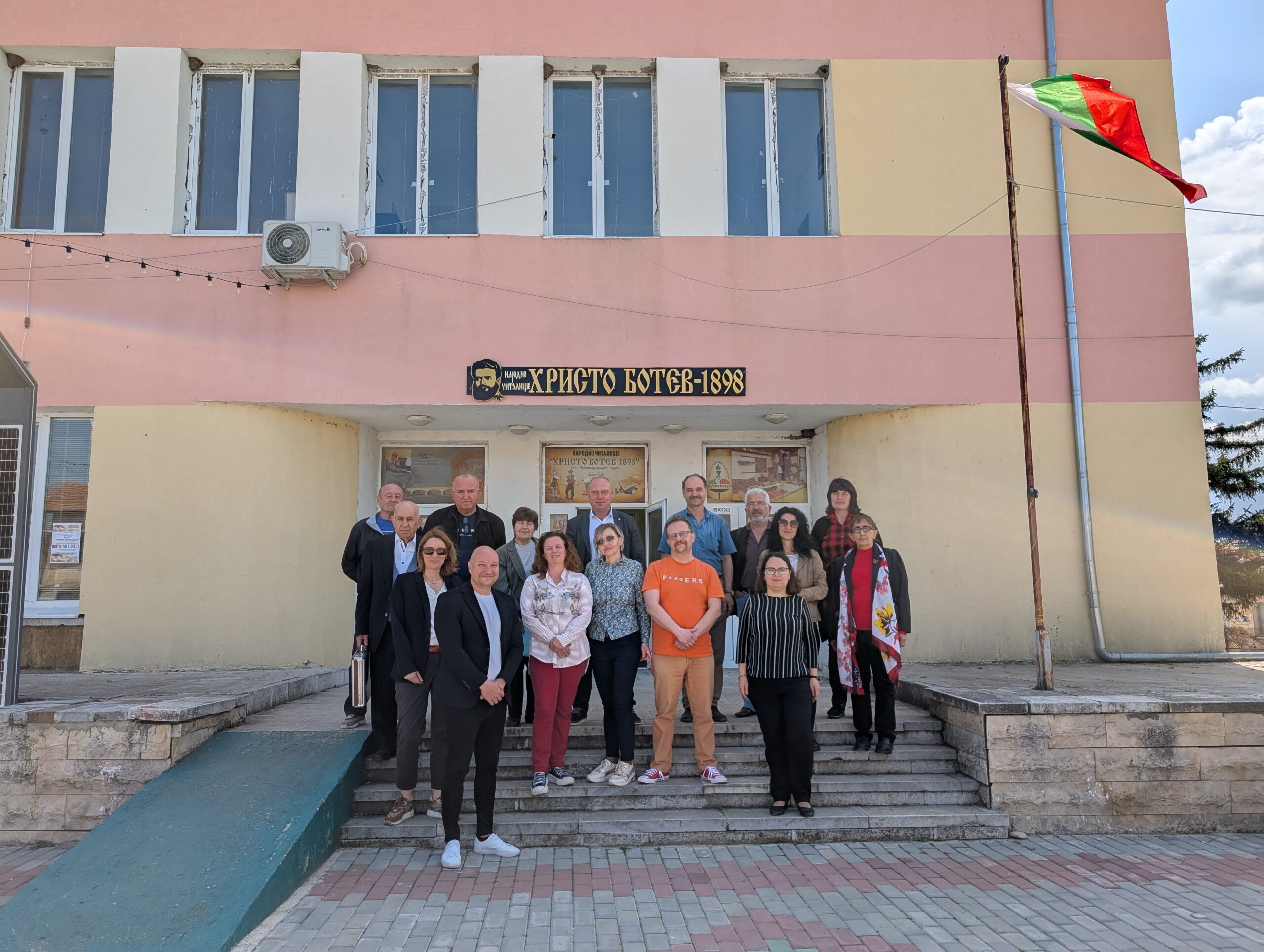
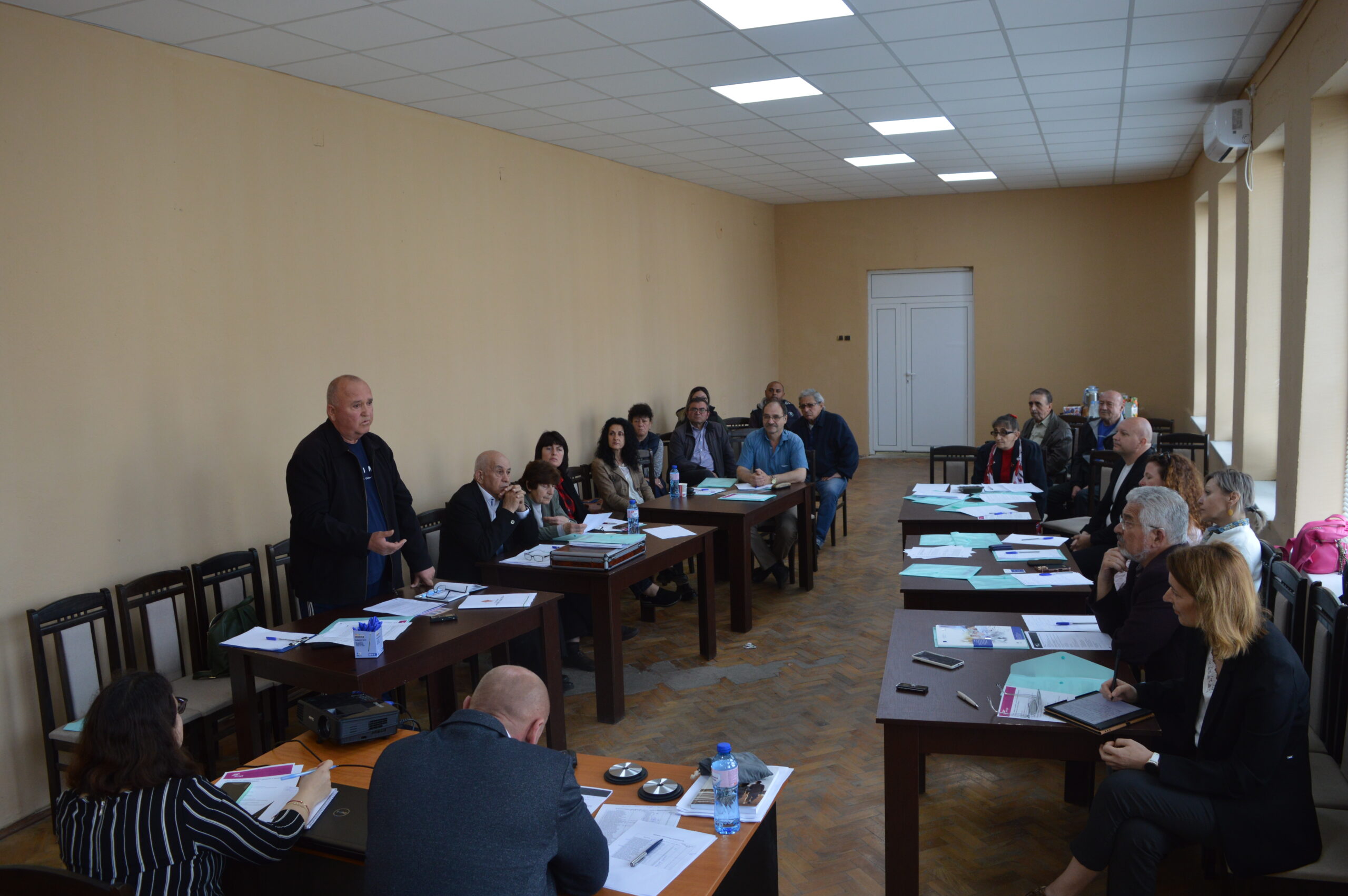
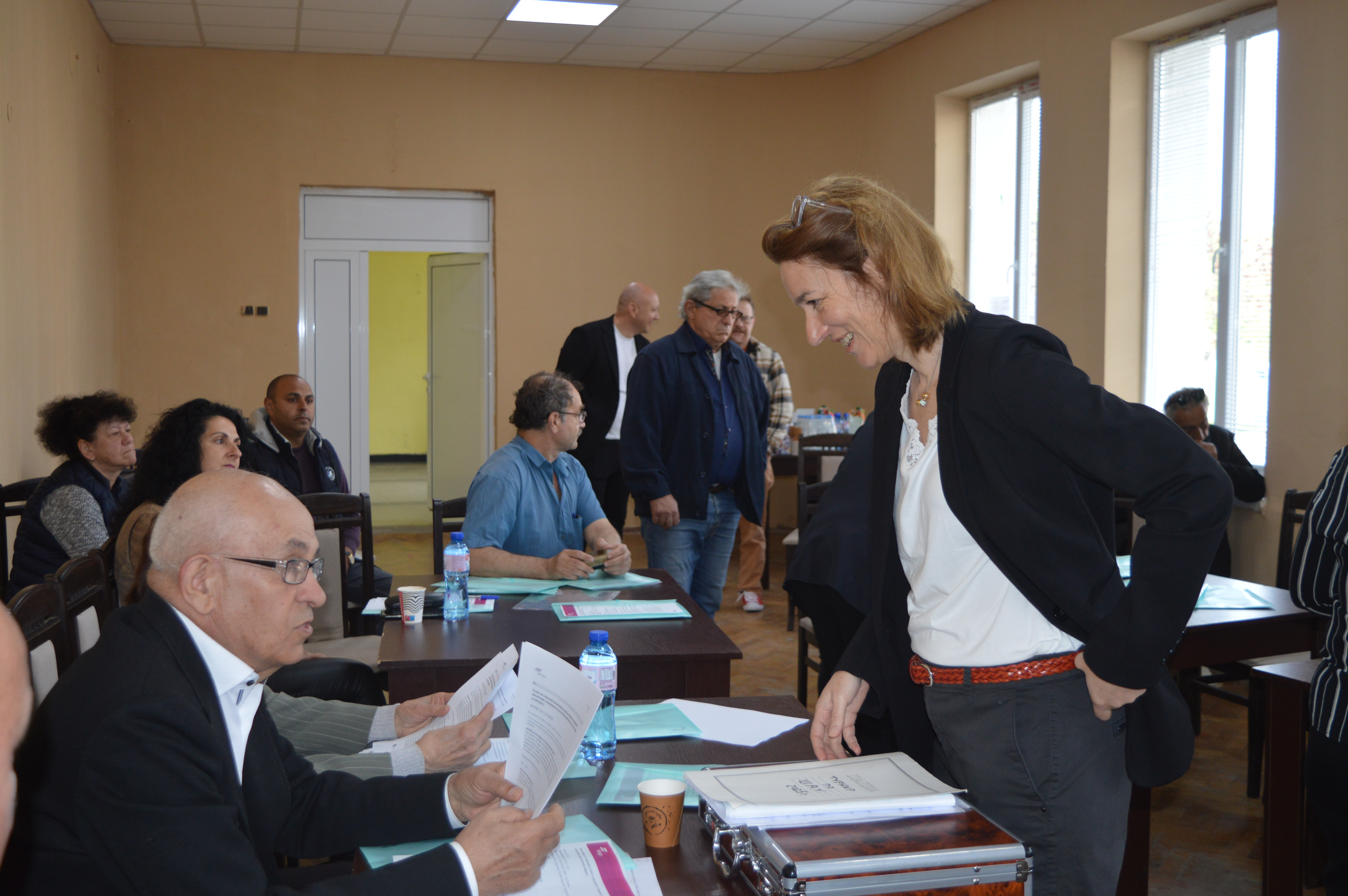
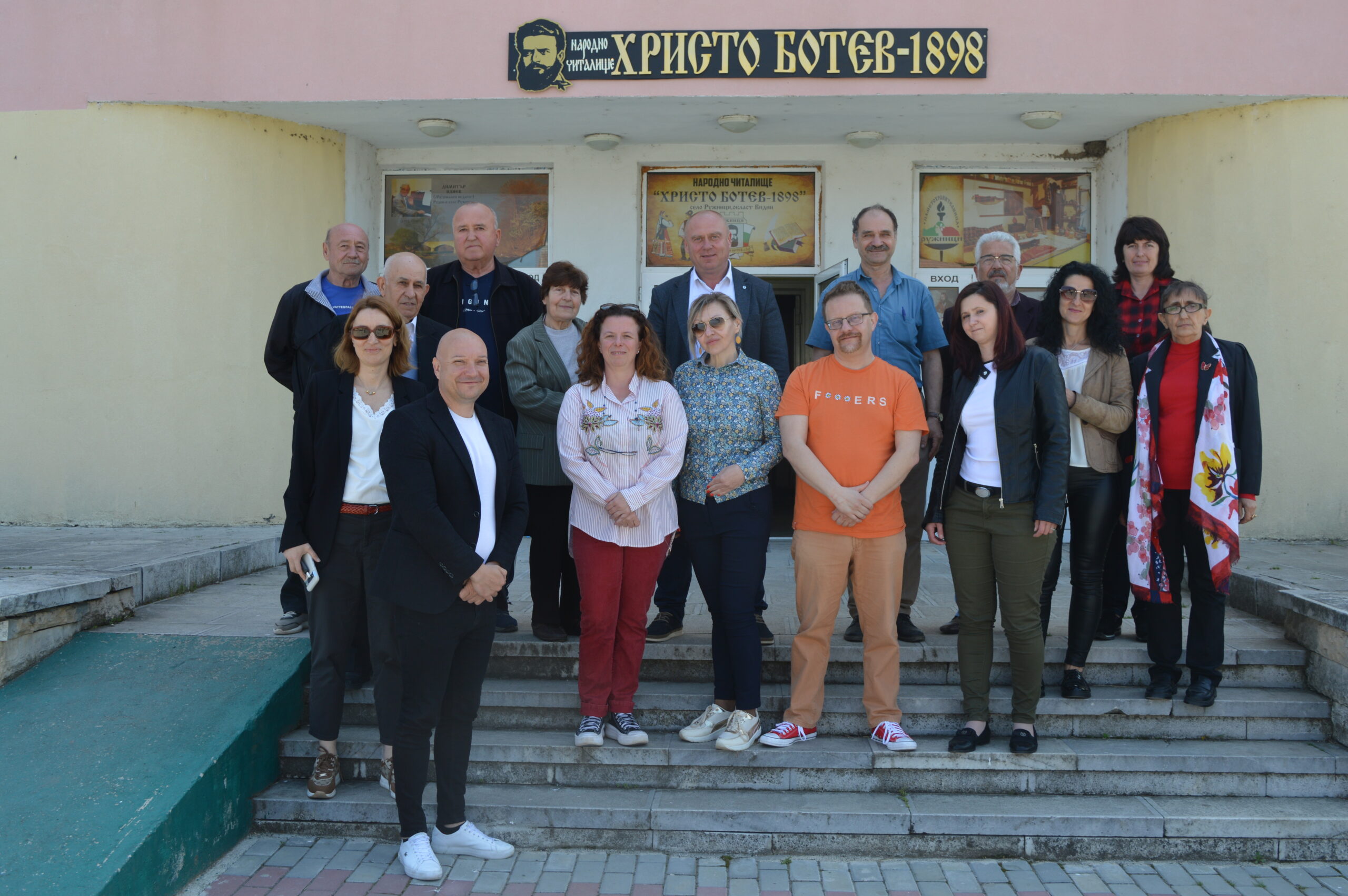
A workshop organized under the SONYA project was held on April 23, 2025, in the municipality of Ruzhintsi, focusing on enhancing social services for older people and improving the working conditions for social workers. The event brought together prominent experts, including Prof. Petya Puncheva-Michelotti, SONYA project coordinator from Rennes Business School; Assoc. Prof. Gabriela Yordanova, PhD; Assoc. Prof. Ekaterina Markova, PhD; Assoc. Dr. Alexey Pamporov from the Bulgarian Academy of Sciences; Teodora Makaveeva and Maria Petrova from the Active Society Association; and Dr. Petko Petkov, sociologist and executive director of Gallup International Balkan. Local representatives, including the Mayor of Ruzhintsi Municipality, Alexander Alexandrov, along with mayors from various settlements, municipal administration officials, community centers, pensioners’ clubs, non-governmental organizations, and local residents, were also in attendance.

The workshop highlighted several pressing issues that are at the heart of the SONYA project’s mission to improve social services for older people and enhance social care workers’ conditions:

  1. Sustainability and Consistency in Social Programs: The discussion emphasized the lack of continuity in social programs such as the “Care at Home” and “Assistant Support” initiatives. The Mayor of Ruzhintsi shared examples of the challenges faced with the discontinuation of these programs, which previously provided support to older residents. Specifically, the “Care at Home” program, which had assisted 35 users until early 2025, ended in January and was replaced by the new program “Innovative Health and Social Services in the Municipality of Ruzhintsi,” serving only 13 users with a reduced staff. The uncertain future of the “Assistant Support” program also underscored the challenges in maintaining a steady level of care for vulnerable populations.
  2. Social Isolation and Home Care: The need to combat social isolation and improve home-based care for elderly individuals was a key theme. A proposal was made to create a fund supported by various sources to back social, cultural, and other initiatives involving elderly residents. Additionally, the “Care at Home” center in Vidin was showcased as a model of good practice, providing health and social services, including telecare, to individuals with permanent disabilities and chronic conditions. This demonstrated the potential for integrating digital technologies in elder care and social services.
  3. Future of Social Programs: Participants stressed the urgent need for long-term strategic planning to ensure the continuation and scaling of successful social programs. The uncertainty around program continuity, such as the future of the “Assistant Support” initiative, creates instability and hampers long-term planning.

The workshop provided valuable insights into the challenges and potential solutions for improving social services for older people, with a focus on sustainability, innovation, and community involvement. The SONYA project continues to play a vital role in addressing these issues by fostering collaboration and knowledge-sharing among stakeholders in the region.

Beyond Gender: Fostering Inclusive Research for Meaningful Change in Social Care

International Women’s Day serves as a global platform to recognize and celebrate the achievements and contributions of women across various sectors. In the realm of research, particularly within the SONYA project, the active involvement of women as principal investigators (PIs) and researchers is instrumental in shaping studies that address the nuanced working conditions and needs of the predominantly female social care sector for older adults.

The SONYA project, led by Professor Petya Puncheva, is a pioneering initiative aimed at assessing the role of social economy organizations (SEs) in retaining and attracting social elderly care workers, thereby fostering social innovation effectiveness in rural areas. The project seeks to empower SEs to lead social and environmental community initiatives by enhancing their organizational capacities and scientifically measuring the impact of social elderly care services using sustainability, inclusivity, and efficiency indicators. This initiative is particularly significant given the growing aging population in the EU and the increased demand for quality social elderly care.

Within the SONYA team, the diverse cultural experiences of female researchers enrich the understanding of how gender equality is perceived and practiced in various national contexts. This lived experience enables the formulation of deeply gender-specific research questions that might not emerge without firsthand navigation of these cultural realities. Moreover, this perspective fosters rapport and trust with informants, which is crucial when discussing sensitive topics.

However, it is essential to recognize that female leadership alone does not automatically equate to a gender-inclusive research approach. Historical examples demonstrate that internalized biases can sometimes perpetuate existing inequalities, regardless of the leader’s gender. Therefore, a gender-mixed research team committed to inclusivity is vital. Male colleagues who support gender equity contribute significantly to the research process and the project’s inclusivity dimension. For instance, one of our male researchers reflected on the dominance of older women in managing and attending classes at a University of the Third Age, considering how male cultural insights are equally valuable in understanding gendered social behaviours and in designing initiatives that promote positive outcomes for all.

Ultimately, celebrating gender inclusivity in research means fostering collaboration within a diverse team that upholds progressive and inclusive values. History has shown that gender alone does not define one’s commitment to inclusivity, internalized biases can exist regardless of gender. What truly matters is a shared dedication to gender equity within the research team.

On this International Women’s Day, we honour the contributions of women in research and reaffirm our commitment to building inclusive teams that drive meaningful change in the social care sector and beyond.

Kick-Off meeting of the European SONYA Project

This funded European initiative aims to strengthen care for the elderly by supporting social economy organizations and promoting their integration into the relevant networks.

Last summer, as part of Horizon Europe, the European funding programme dedicated to research and innovation for the period 2021-2027, the consortium led by Rennes School of Business was awarded the maximum European grant (3 million euros) for the SONYA project. Rennes SB thus became the first French business school to lead a Horizon consortium. All the partners met last month at the school’s premises in Rennes for the official launch of this major project.

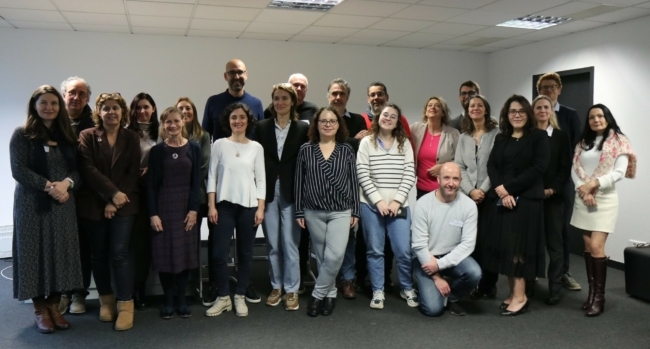
The kick-off meeting of the SONYA project took place from November 18 to 20, 2024, marking the official launch of this financed European initiative. SONYA addresses critical challenges in social elderly care, aiming to empower Social Economy organisations (SEs) to foster innovation, improve working conditions, and create sustainable, inclusive services, particularly in rural areas.

Privacy Overview

This website uses cookies so that we can provide you with the best user experience possible. Cookie information is stored in your browser and performs functions such as recognising you when you return to our website and helping our team to understand which sections of the website you find most interesting and useful.