The WHO’s Eight Domains

The incorporation of the World Health Organization’s (WHO) Eight Domains of Age-friendly Environments framework into the work carried out in Alto Turia represents an uncommon exercise in methodological adaptation within the field of rural social innovation. When Fundación El Olmo (FO) joined the SONYA project as the organisation responsible for the Living Lab in this territory, one of its first tasks was to translate the project’s conceptual guidelines into tools applicable to a dispersed, ageing context marked by structural constraints. The WHO framework, widely validated in urban settings, became a key instrument for systematically understanding the experiences, needs and opportunities of older people in the region. However, its value did not lie in mechanical application, but in Fundación El Olmo’s ability to reinterpret each domain in light of the territory’s social, geographical and cultural realities.

The value of the WHO framework for analysing ageing is clear: it provides a common language for diverse stakeholders, organises observation in a multidimensional manner, and enables comparisons across very different contexts. For SONYA, this approach offered a robust structure from which to explore how factors such as mobility, housing, social participation, communication and access to services interact in the construction of more equitable care ecosystems. However, research in Alto Turia showed that the domains only acquire full meaning when embedded in local practices and adapted to rural specificities, a methodological principle already emphasised within the project.

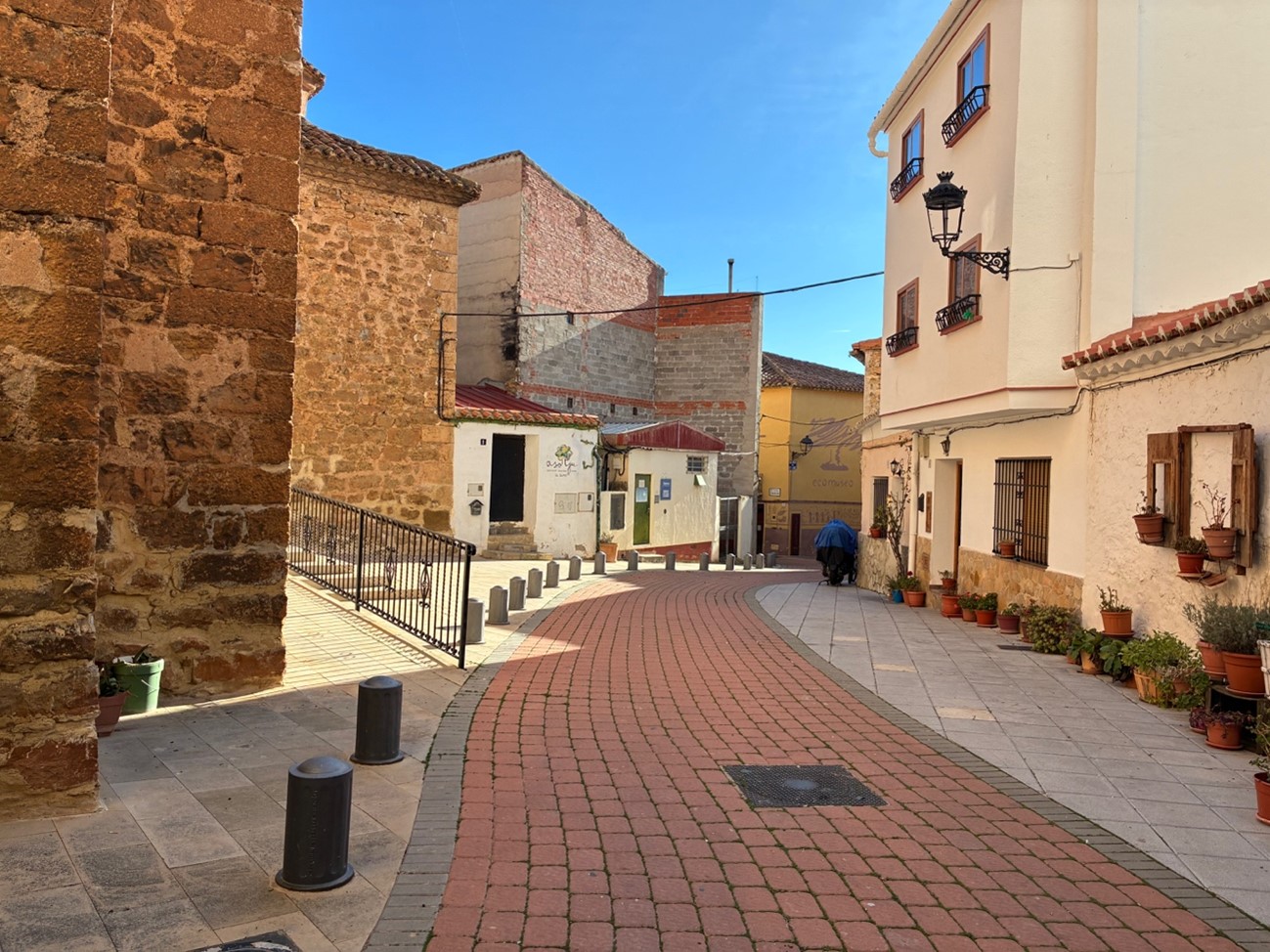
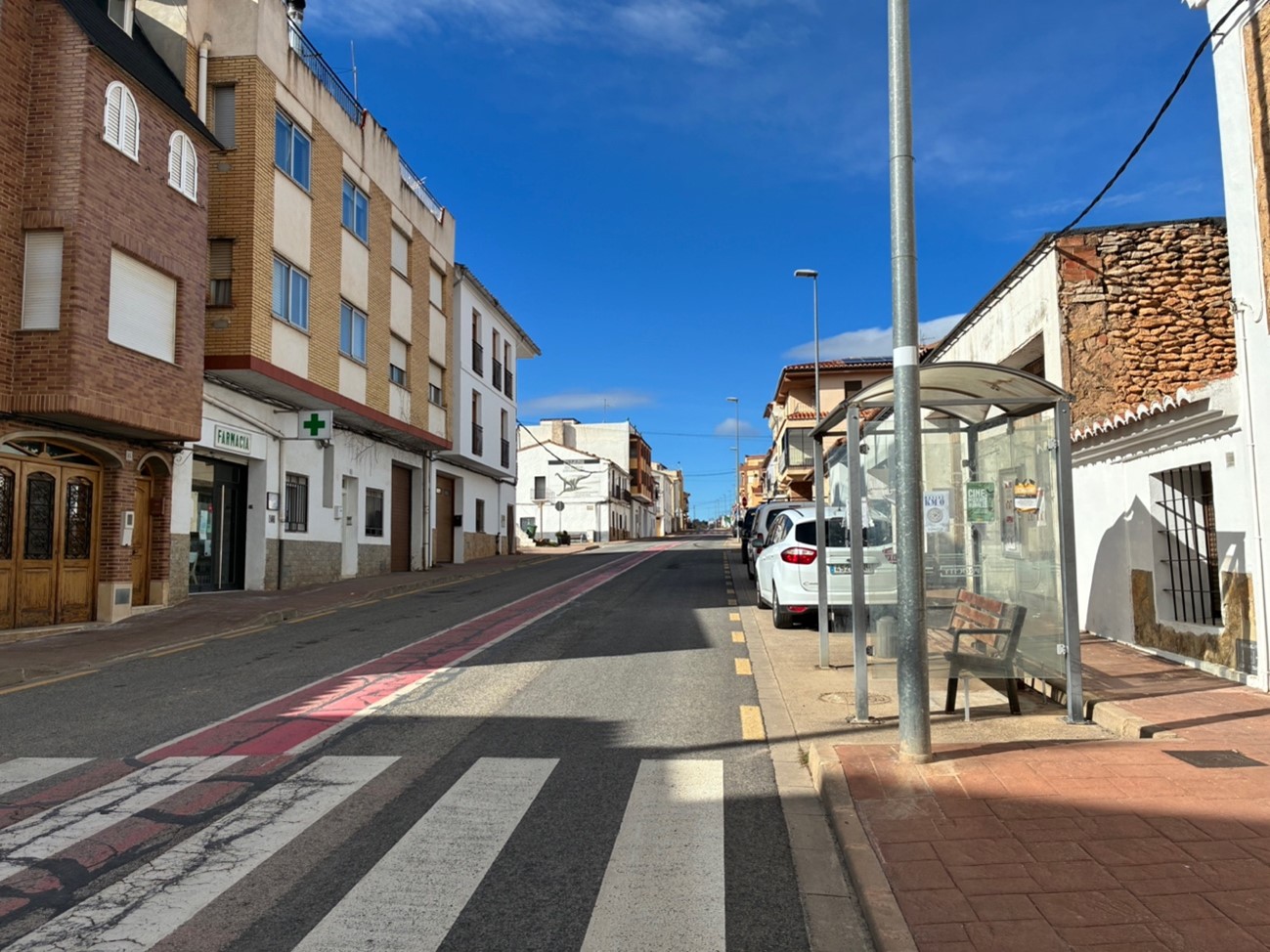
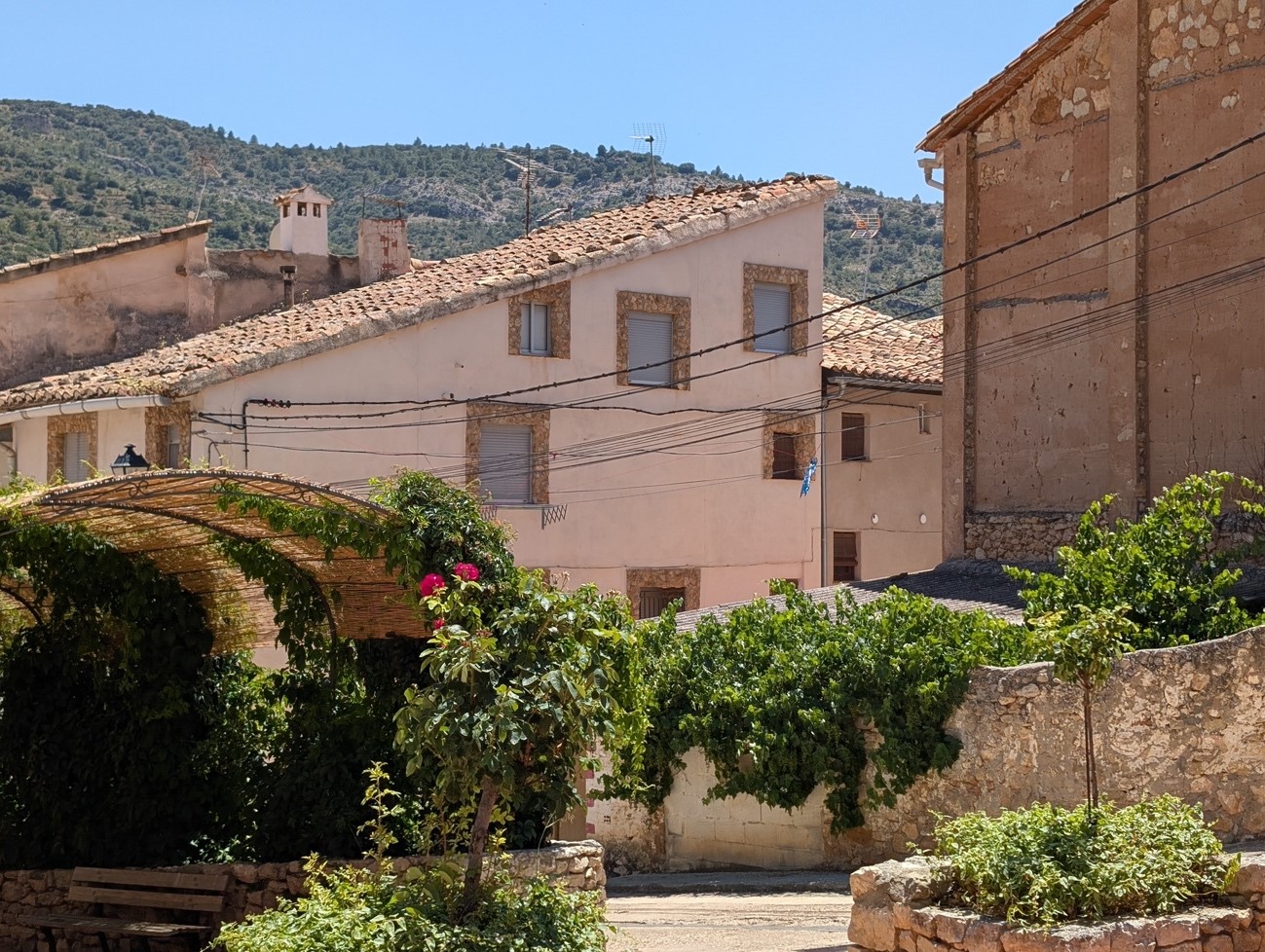
In analysing outdoor spaces and buildings, Fundación El Olmo encountered scenarios markedly different from those envisaged by urban models. Small squares, narrow streets, steep gradients and the strong presence of the natural environment shape everyday mobility and condition the autonomy of older people. In a context where physical proximity to essential services is decisive, even minor changes in the accessibility or maintenance of public space have a disproportionate impact on the quality of life of an ageing population.

Transport highlighted one of the territory’s most persistent structural tensions. The scarcity of public services, reliance on family members for travel, and distances between municipalities make mobility a critical factor for accessing care, community activities and health services. Even where certain resources formally exist, their effective availability is constrained by rural logistics, reminding us that accessibility is not merely a matter of provision, but also of capacity for use.

Housing, much of it traditional, presents additional challenges. Internal staircases, narrow doorways, outdated heating systems and difficulties in adaptation directly affect the possibility of ageing at home, one of the most common aspirations among older people. As the WHO notes, housing is a fundamental pillar of functional and emotional capacity, and in Alto Turia it emerges as a space where material and symbolic vulnerabilities converge.

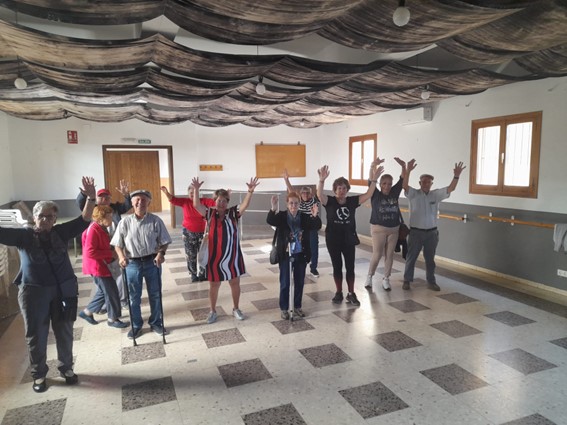
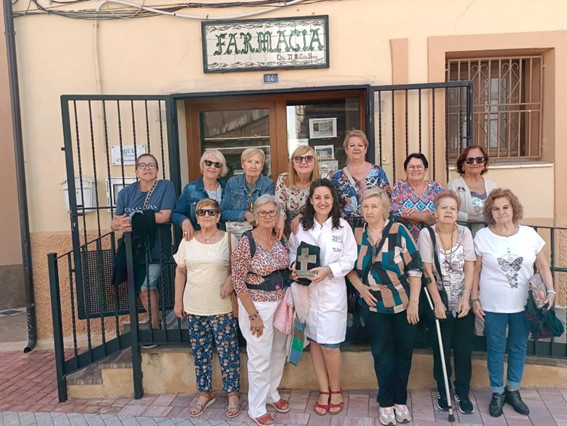
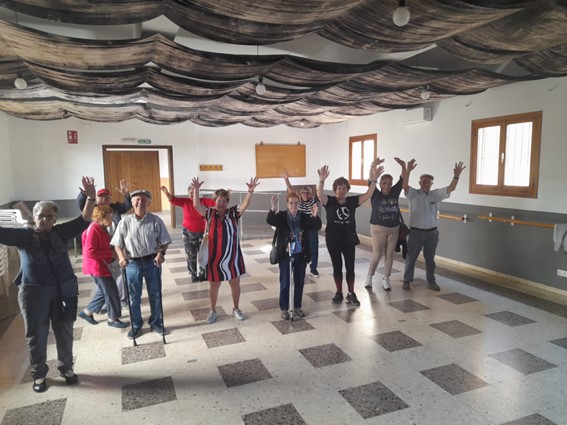
Social participation demonstrated the importance of interpreting this domain through the lens of community scale. In small villages, informal interactions — conversations in the bar, meetings at the pharmacy, or occasional agricultural collaboration — are as valuable as, if not more valuable than, organised activities. Fundación El Olmo observed that these everyday ties act as buffers against isolation and generators of meaning, aspects that are difficult to capture through conventional indicators but are fundamental to assessing the quality of ageing in rural areas.

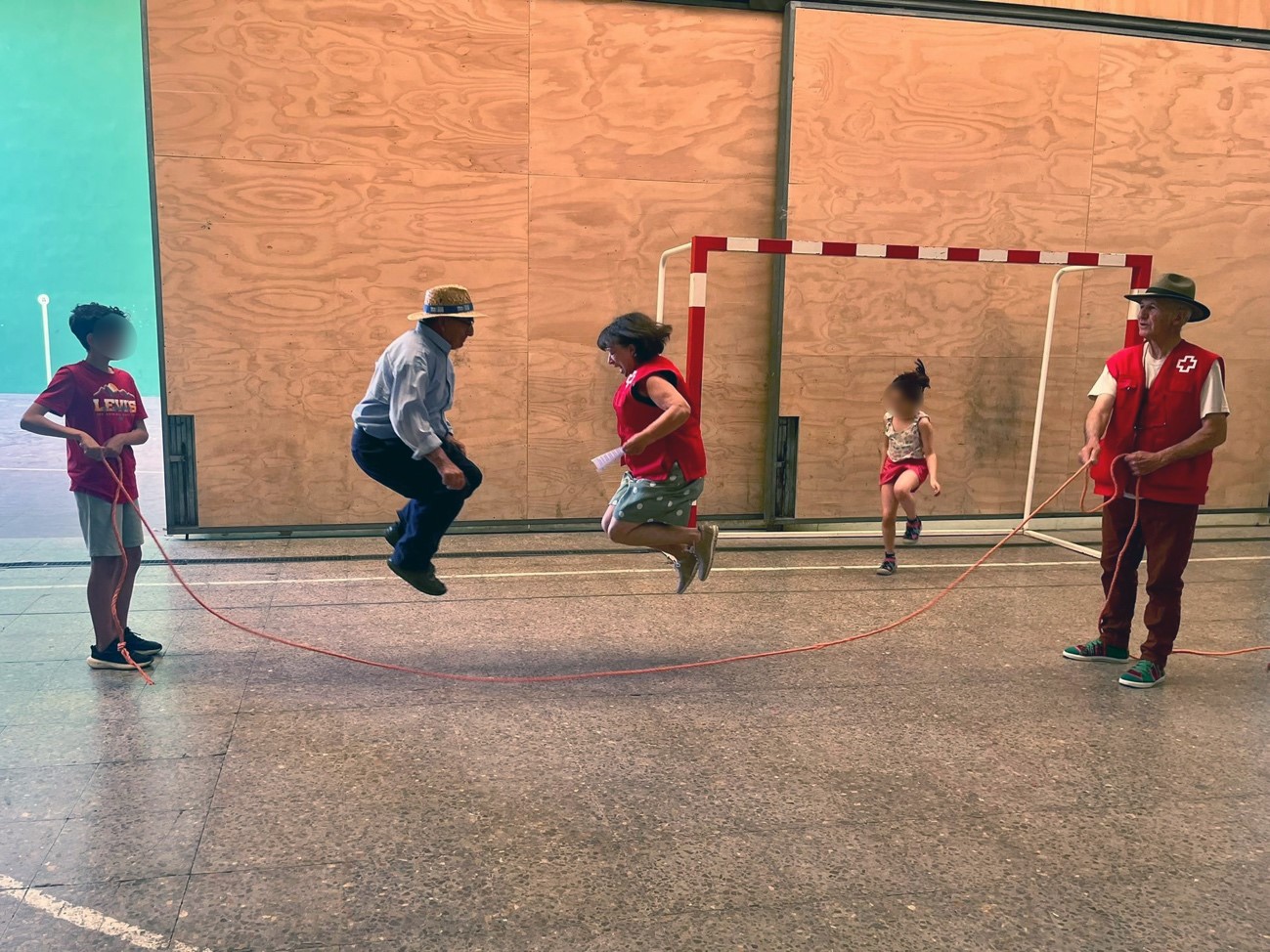
The domains relating to respect, social inclusion and civic participation revealed how older people continue to play significant roles in community life, whether through agricultural work, volunteering or leadership in local initiatives. Cultural attitudes towards ageing, public visibility and the continuity of intergenerational practices significantly influence social cohesion, particularly in territories where depopulation is rapidly reshaping community balances.

In the area of communication and information, Fundación El Olmo identified significant digital divides, but also the persistence of highly effective interpersonal communication networks. Although digitalisation is becoming indispensable for accessing certain services, many individuals still depend on informal intermediaries, local institutions and direct contacts to remain informed about community life. This duality constitutes both a challenge and an opportunity for hybrid communication models adapted to the territory.

Analysis of the domain relating to community support and health services made it possible to map not only the availability of formal resources, but also their articulation with informal care networks. In Alto Turia, institutions, families, neighbours and associations function as an interdependent fabric sustaining the daily lives of older people. This interconnectedness demonstrates that rural care systems cannot be understood solely from the perspective of public provision, but rather as community assemblages in which different actors creatively fill gaps.

The application of the WHO framework generated relevant learning for Fundación El Olmo and for SONYA. Firstly, it showed that interdependencies between domains are particularly intense in rural contexts: transport conditions access to services; housing influences mobility; digital skills determine social participation. It also made clear that informal networks compensate for structural limitations and that seemingly small interventions can produce significant improvements in small-scale communities. Furthermore, it confirmed that the international framework functions effectively in rural settings, provided it is used flexibly and contextually.

Fundación El Olmo played a key role in this process by acting as a bridge between European methodological design and the territory’s everyday reality. Its sustained presence in the region made it possible to gather in-depth qualitative data, identify community assets and challenges, and translate a global conceptual framework into practical observations to inform decision-making. This mediating role aligns with SONYA’s methodological premise: that innovation in care must be built from the territory, rather than imposed upon it.

Overall, the experience in Alto Turia demonstrates that international frameworks, when interpreted with territorial intelligence, can become powerful tools for guiding care policies and practices in rural areas. Beyond identifying deficiencies, the WHO approach helped reveal invisible strengths, social capital and opportunities for innovation that reinforce the community’s capacity to address the challenge of ageing. The Alto Turia Living Lab not only contributes data to the SONYA project; it also helps redefine how rural ageing is understood in Europe and what types of interventions can generate sustainable and equitable transformation.
Innovation Rooted in Place: Learning from Alto Turia’s Care Ecosystem

The Alto Turia territory constitutes a privileged setting for understanding how innovation in long-term care gains meaning, depth and applicability when developed in real-life contexts rather than artificial experimental environments. Within the SONYA Horizon Europe project, the participation of the El Olmo Foundation positions this rural region of the interior of the Valencian Community as a European Living Lab: a space where everyday dynamics, community ties and structural shortcomings become fundamental inputs for rethinking care systems.

This approach responds directly to SONYA’s core principles, which emphasise contextual sensitivity, methodological consistency and a participatory orientation that avoids the mere imposition of external models. In this sense, the Alto Turia Living Lab represents not only a field of study, but also a source of situated knowledge that sheds light on the complexities of ageing in rural European areas.

Why Alto Turia?

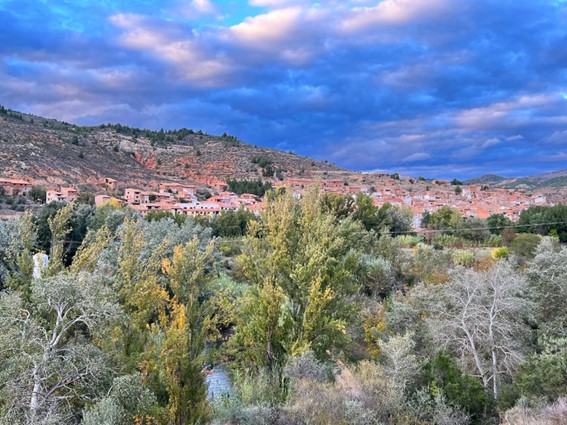
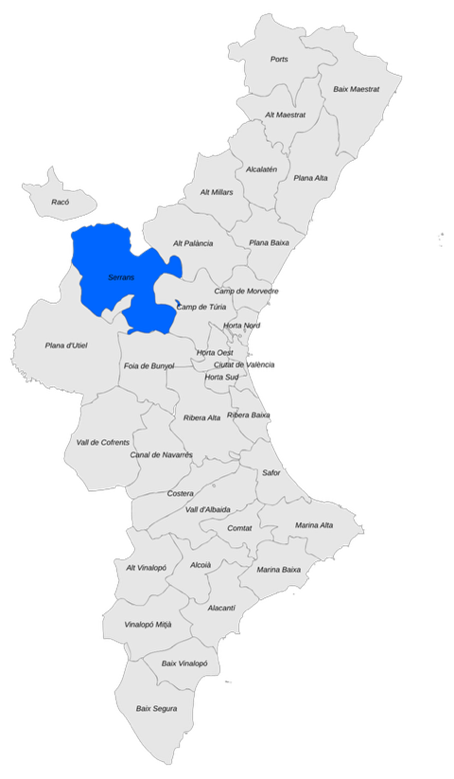
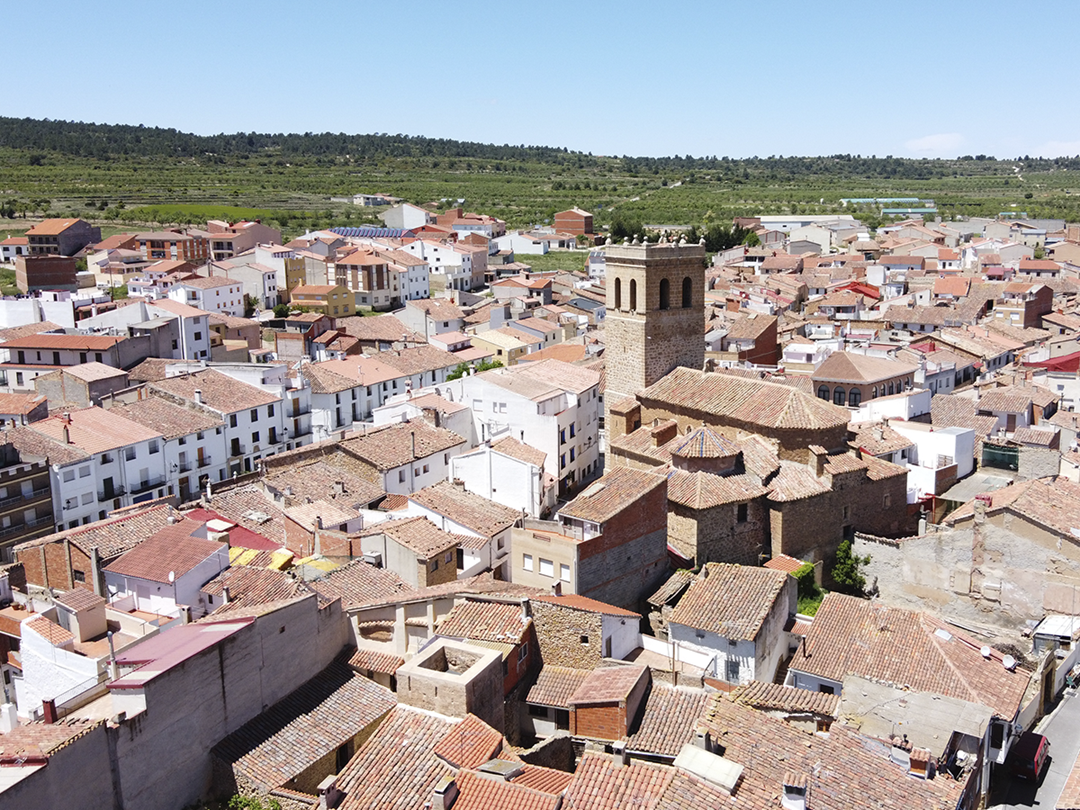
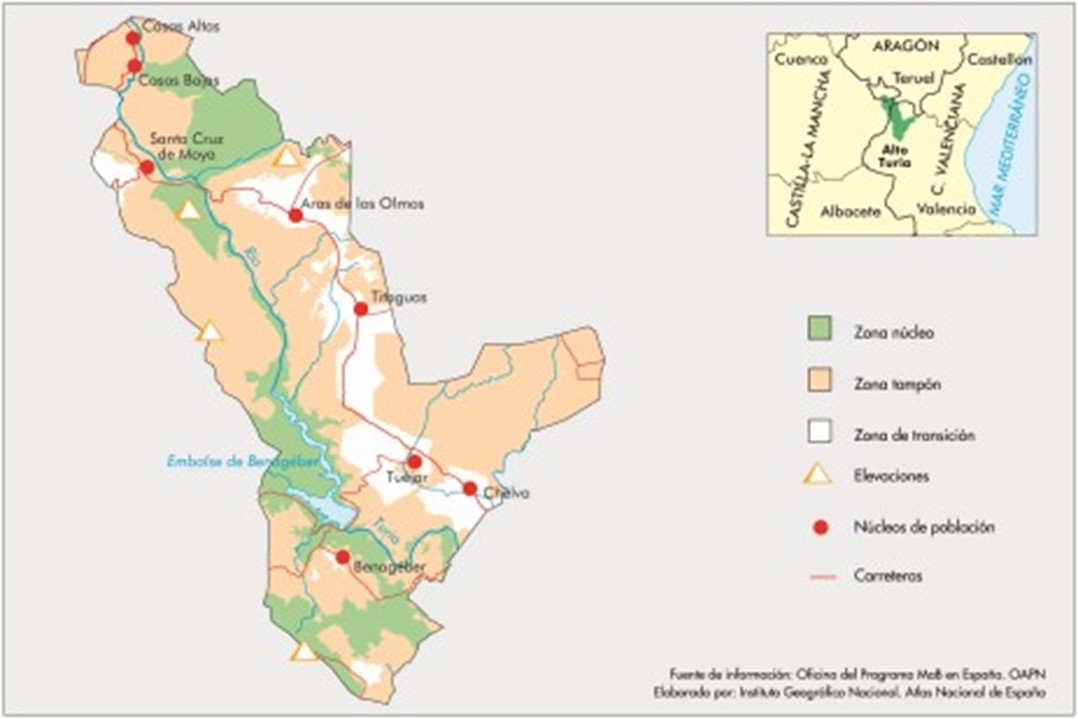
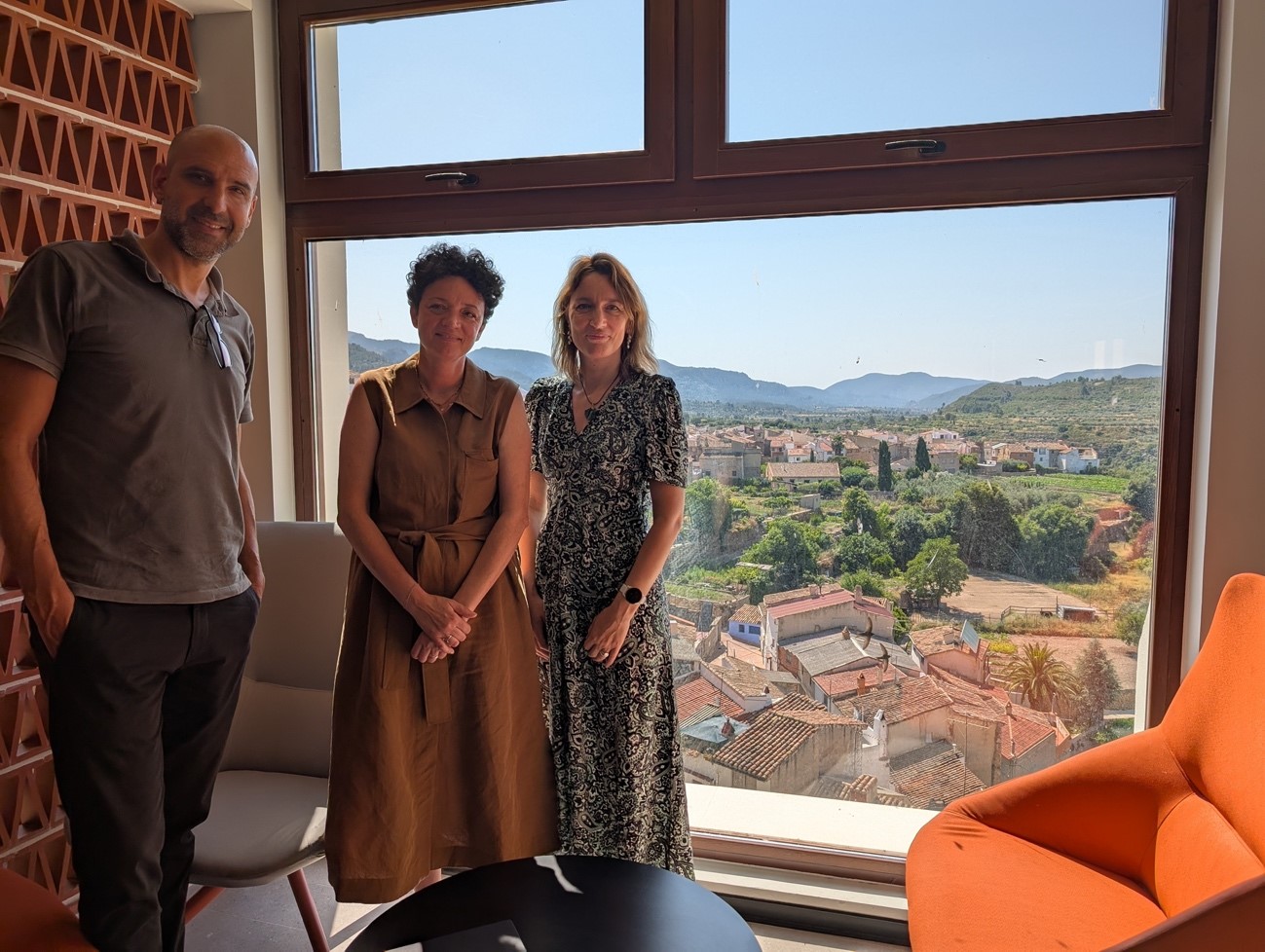
The selection of Alto Turia as a Living Lab site is no coincidence. This enclave, located in the Valencian Community, forms part of the Alto Turia Biosphere Reserve and is recognised for its natural and human value, as well as for its commitment to sustainable development. It is characterised by a sparse and ageing population, small municipalities separated by winding distances, and an economy based on agriculture, forestry and seasonal activities.

The limited availability of specialised services coexists with a strong tradition of community self-organisation and informal mutual support. For the El Olmo Foundation, these characteristics offer a strategic opportunity to analyse how care systems operate in contexts where formal resources are insufficient and where social cohesion is both a strength and a source of vulnerability. Rural dynamics make visible problems, strategies and values that often remain unnoticed in urban or institutional environments, providing indispensable analytical depth for SONYA.

The El Olmo Foundation plays a central role in translating SONYA’s methodological framework into local reality. Its long-standing presence in the region has facilitated the building of trust — a critical condition for conducting interviews, workshops and community dialogues that require social legitimacy and cultural sensitivity.

Rather than applying the methodology rigidly, the Foundation acts as an interpreter between European project approaches and everyday territorial practices. This mediation ensures that research activities are perceived not as intrusive, but as collaborative spaces that recognise and value the experience of the rural population. In line with SONYA’s guidelines, the effectiveness of a Living Lab depends on its capacity to adapt to the rhythms, codes and expectations of the community in which it is embedded.

Ageing, care and interdependence in Alto Turia

The demographic structure of Alto Turia reflects trends common across rural Europe: an ageing population, the continuous decline of younger cohorts and a marked reliance on informal care. Older residents often express a strong desire to remain in their own homes, even when distance from essential services limits their autonomy. Family carers assume intense and multifunctional responsibilities, while local councils strive to sustain basic provision with limited budgets.

At the same time, strong social interdependence is evident in everyday practices such as sharing transport, looking out for vulnerable neighbours or maintaining regular social contact to mitigate loneliness. For SONYA, these dynamics illustrate how care ecosystems evolve under demographic pressure and contribute to a more realistic understanding of the challenges and opportunities faced by rural regions.

The interviews and activities carried out within the Living Lab were diverse and complementary, designed to capture the complexity of the local care ecosystem. Flexible interviews were conducted with a wide range of key actors, including organisations such as the Red Cross and the Colisée Foundation; professionals from social and healthcare services; representatives from local municipalities and regional administrations; and local associations, caregivers and care workers.

Community dialogues promoted by the El Olmo Foundation enabled an in-depth exploration of perceptions of ageing, expectations regarding care, and concerns related to dependency or institutional care. These exchanges ensured that multiple perspectives — formal and informal, professional and experiential — were integrated into the research process.

Rural challenges, rural innovation

Rurality introduces both constraints and opportunities for innovation. Geographic isolation strongly conditions access to services, and solutions designed for urban environments rarely translate without significant adaptation. The scarcity of professionals, the centralisation of healthcare services and limited transport options require alternatives that acknowledge these structural realities.

At the same time, local social networks provide emotional and practical support that partially compensates for gaps in the formal system. Neighbourly solidarity, the multifunctional role of small businesses and municipal creativity sustain fragile yet resilient care spaces. The Living Lab demonstrates that meaningful innovation must be co-created, context-aware and sensitive to rural ways of life.

From local practice to European learning

Adapting the SONYA conceptual framework to a rural environment involved mapping local care flows, identifying bottlenecks in mobility and communication, making informal caregiving work visible, and recognising community strengths that fulfil essential functions despite lacking institutional recognition.

This process allows local observations from Alto Turia to be connected with broader European patterns, integrating rural experience into a framework of transnational learning. The relationship between theory and practice becomes bidirectional: concepts are adjusted to reality, while lived experience reshapes conceptual understanding. These insights directly inform SONYA’s work on adaptable, context-sensitive care models with relevance for rural territories across Europe.

Alto Turia stands out as a Living Lab due to its manageable scale, which facilitates in-depth relational research; the proximity between researchers and residents, which accelerates feedback; the resilience of its communities in the face of demographic decline; and the authenticity of learning generated through everyday life. These attributes confirm that real contexts offer far greater value than controlled environments for producing meaningful knowledge on long-term care innovation.

Contributions to SONYA and beyond

The Living Lab’s contributions to SONYA are multiple. It provides qualitative data grounded in rural experience, reveals gaps between formal care models and lived realities, illustrates how care ecosystems function under demographic pressure, and identifies innovation opportunities rooted in community strengths. It also demonstrates that SONYA’s conceptual frameworks can be effectively adapted to diverse rural settings.

From the perspective of the El Olmo Foundation, several key lessons emerge: rural innovation depends on trust-based relationships; methods must be tailored to local contexts; communities are co-producers of knowledge; rural care requires integrated networks and local leadership; and Living Labs thrive when community empathy is combined with methodological rigour.

The participation of Alto Turia in SONYA extends beyond the territory itself. Its inclusion ensures that rural Europe is not marginalised in debates on care innovation, but instead plays a central role. The learning generated in this Living Lab informs local decision-making while enriching the European conversation on how to ensure dignified ageing in low-density areas with limited resources.

Alto Turia shows that innovation is not only possible in rural contexts — it is essential and already under way, driven by the resilience and practical knowledge of its inhabitants. SONYA provides the structure; the territory provides the lived experience that gives transformation its meaning.

Behind the scenes: how Fundación el Olmo led the interview process in the Alto Turia Living Lab

Within the framework of the European project SONYA, fieldwork has been carried out in the Alto Turia territory, conceived as one of the project’s three Living Labs, along with Italy (Trentino) and Bulgaria (Vidin), where technical methodologies have been brought into dialogue with the real-life experiences of those who sustain care in rural contexts. In Alto Turia, an area characterised by geographical dispersion, an ageing population and the strength of community ties, the El Olmo Foundation took on the responsibility of leading an interview process that was not only intended to produce data, but also to open up a space for deep listening. This work made it possible to reveal the complexity of care in low-density population areas, where everyday dynamics challenge traditional analytical frameworks.

From the outset, at the El Olmo Foundation we understood that conducting interviews in a rural territory means working within an ecosystem where formal services do not reach everywhere and where families play a central role in the sustainability of care. For this reason, the interviews were conceived not as rigid questionnaires, but as open and sensitive conversations, capable of capturing the tension between the strength of community networks and the fragility that emerges when ageing, distance and lack of resources intertwine. In this sense, only through contextualised narratives is it possible to understand the true emotional and logistical burden of rural care.

Preparing the ground was, in itself, an exercise in ethics and legitimacy. Despite its historical roots in the region, the El Olmo Foundation knew that trust is not automatic: it must be built. Before beginning the interview work, the team devoted weeks to meeting with local services and actors, explaining the objectives of the project, clarifying participation rights and ensuring that the population understood that their contribution was voluntary. This preliminary work created conditions of openness, reduced suspicion and allowed the interviews to be perceived as an opportunity to express long-accumulated concerns.

The training of the interviewing team constituted another essential pillar of the process. As this was a study addressing experiences of burden, fear, exhaustion or uncertainty, training based on simulated interviews, shadowing exercises and ethical review sessions was fundamental. The semi-structured interviews made it possible to address real situations, from conversations with overburdened carers to interviews with local professionals who had to balance their technical identity with their community belonging. Shadowing practices, in turn, offered novice interviewers the opportunity to observe first-hand how rapport is established, how silences or intense emotions are managed, and how the pace of the conversation is adapted to the context of the home, an intimate and meaningful space in the experience of rural care.

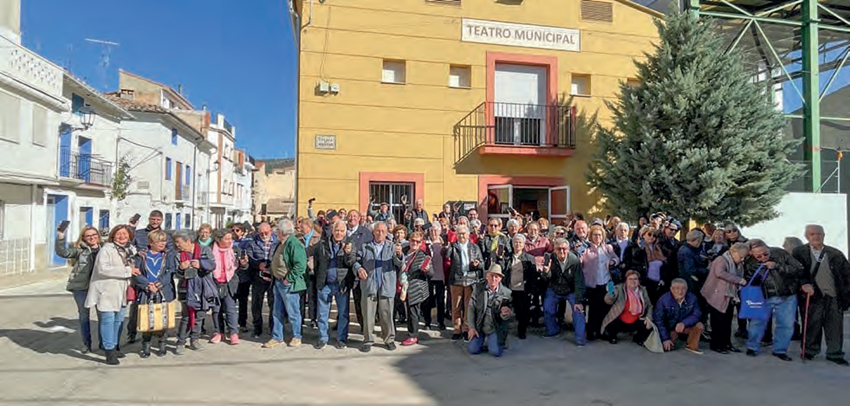
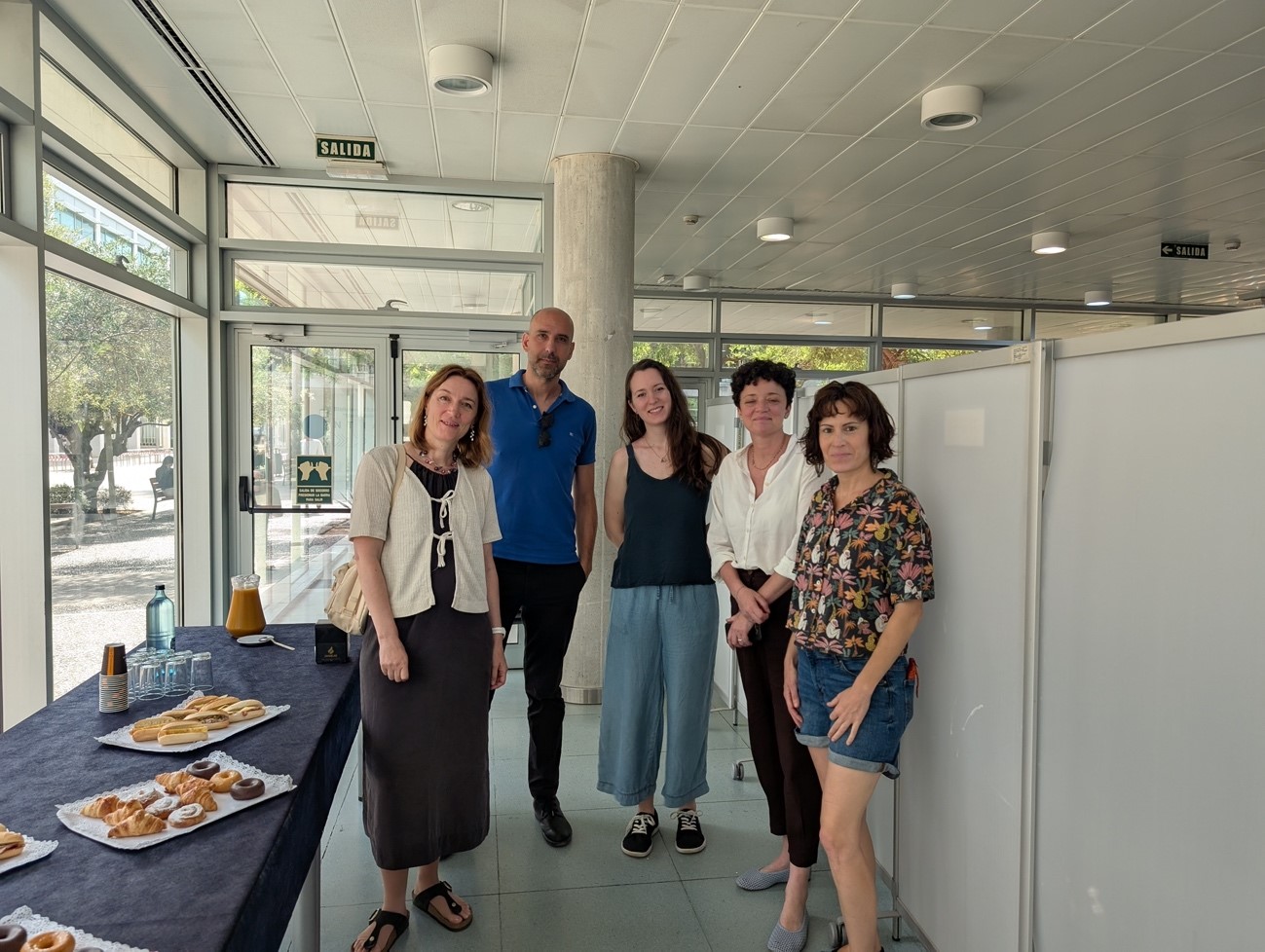
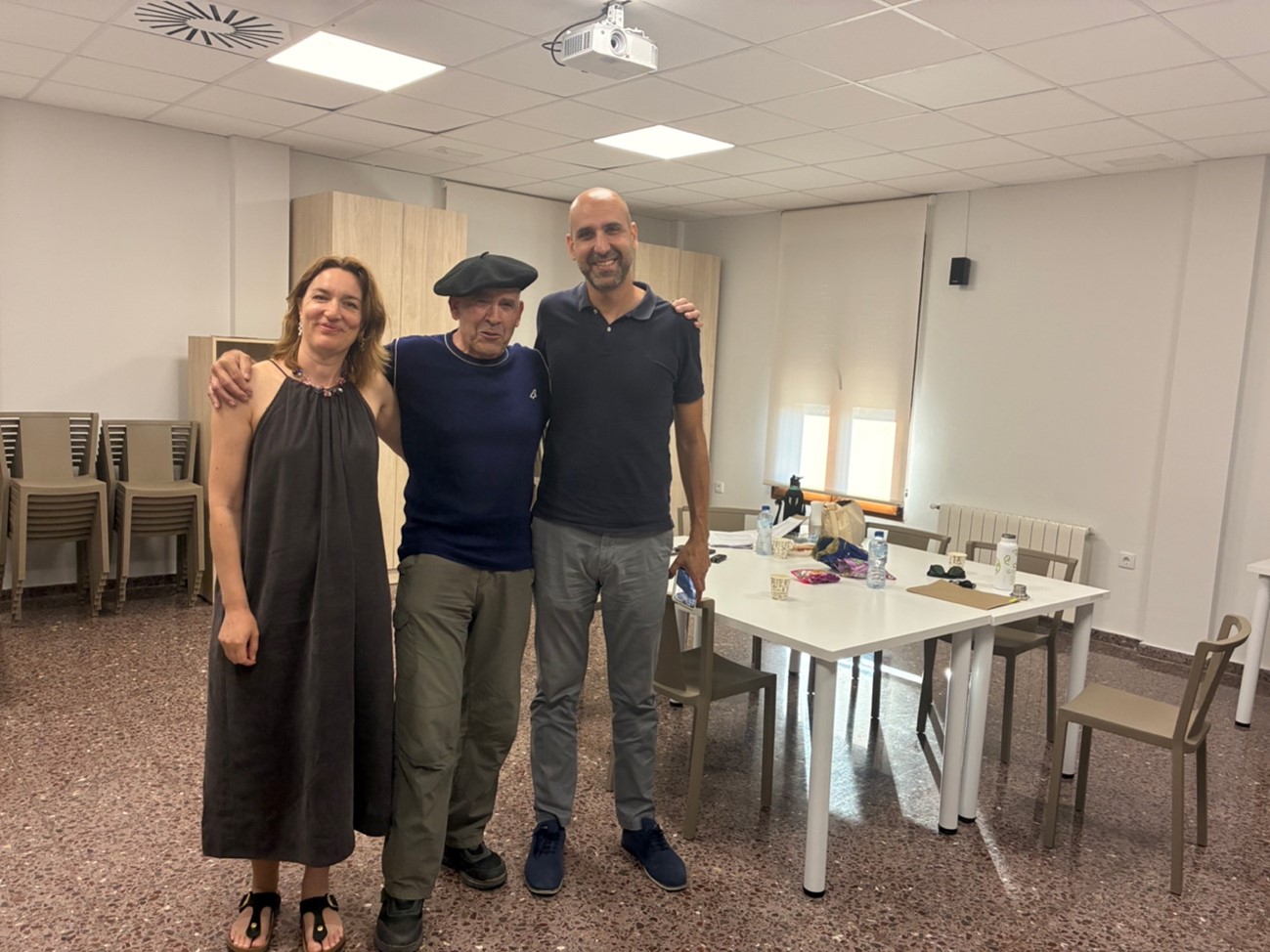
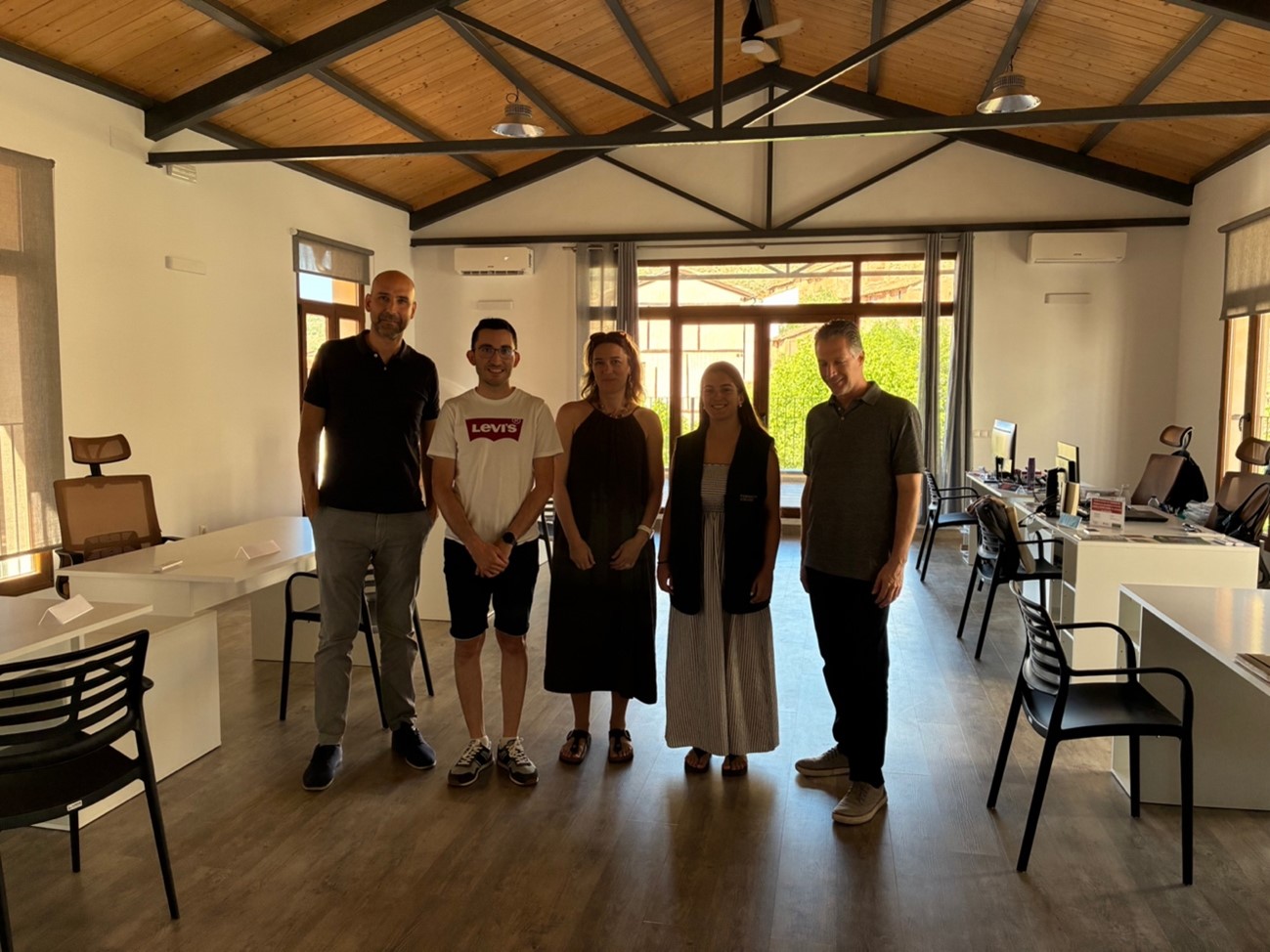
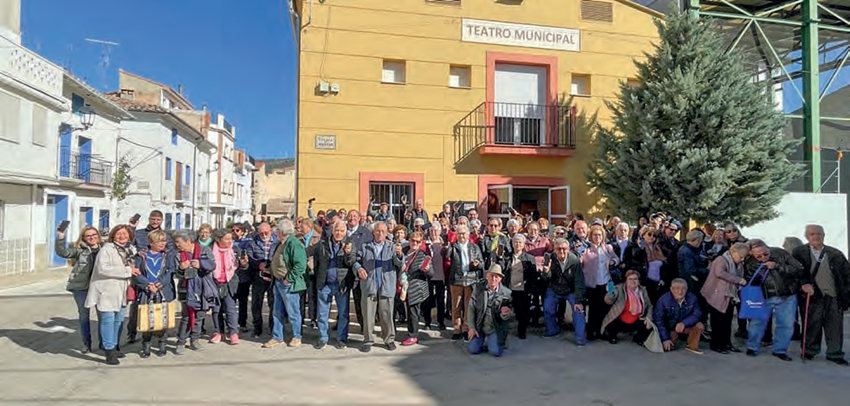
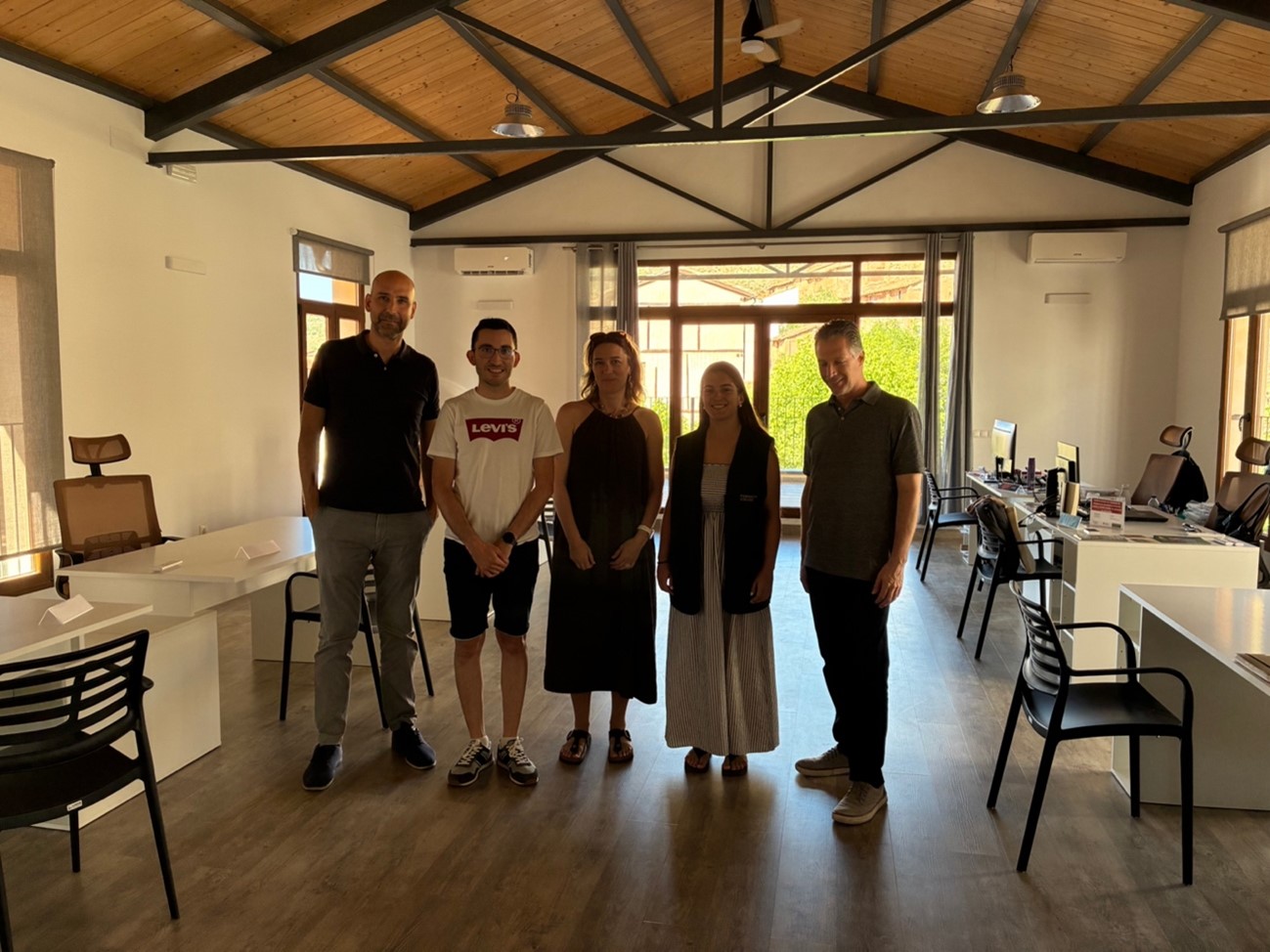
In the initial phase of the interviews, both the training sessions delivered to the partners of the SONYA project and the visit to our territory by the team from Rennes School of Business, the coordinating entity of the project, proved particularly valuable. During those days (25, 26 and 27 June 2025), the interviews were conducted across Valencia, Chelva, Aras de los Olmos and Casas Bajas. Throughout this process, it is worth highlighting the strong commitment and collaborative attitude of the various stakeholders involved, which made it possible to establish highly productive dialogues at all levels. These exchanges involved political representatives from the fields of health and dependency, faculty members from the Faculty of Social Sciences at the University of Valencia, representatives of local administrations, organizations with a presence in the territory such as the Colisée Foundation and the Red Cross, social work professionals, local associations, formal and informal caregivers, as well as older adults.The interviews guided by the coordinating team made it possible to apply the methodology designed within the project to the local reality and to understand how to adapt its structures to the social context of the Living Lab.

In the field, flexibility became an indispensable methodological tool. The interviews were guided by a semi-structured framework, which made it possible to adjust the discourse according to the participant’s profile: family carer, healthcare professional, older person or representative of a local service. The physical environment — often the participant’s own home — provided valuable information about routines, domestic adaptations, the distances that shape everyday travel and the presence or absence of family support. These observations, although not always incorporated as formal data, endowed the team with a more nuanced understanding of the care ecosystem.

The consent process was designed to be clear and accessible, avoiding technical jargon and ensuring that each person understood precisely the purpose of the study, their rights and the destination of the information. Confidentiality was treated with particular caution: in small villages, indirect identification is a constant risk. For this reason, interviews were organised in appropriate locations and strict anonymisation strategies were applied in line with European Union regulations. These measures were complemented by emotional management practices, so that the team was equipped to pause, modify or even cancel an interview if the well-being of the interviewee so required.

The geographical dispersion of Alto Turia introduced significant logistical challenges. Long journeys between municipalities and the reorganisation of schedules according to the availability of carers — almost always limited by the demands of care — required the team to maintain a continuous capacity for adaptation. However, this same geography revealed essential aspects of rural care: involuntary loneliness, dependence on private vehicles, and the fragility that emerges when a healthcare resource is more than thirty kilometres away.

As the fieldwork progressed, patterns began to emerge which, without offering definitive conclusions, pointed towards structural realities of rural care. The burden on carers was evident and deeply unequal. Formal services, although valued, were insufficient to cover crucial needs, especially during emergencies or in situations of advanced dependency. Professionals expressed the need for greater coordination and emotional support, and older people showed a mixture of gratitude for family assistance and concern about the progressive loss of autonomy. Mobility, inherently limiting in mountainous areas, influenced not only access to services but also the ability to maintain social ties.

These initial observations reinforced the conviction that the interviews were not merely a mechanism for collecting data, but an act of recognition towards those who sustain care under difficult conditions. In many cases, interviewees expressed relief at feeling heard, stating that it was the first time someone had asked how they were, and not only how the dependent person was.

Privacy Overview

This website uses cookies so that we can provide you with the best user experience possible. Cookie information is stored in your browser and performs functions such as recognising you when you return to our website and helping our team to understand which sections of the website you find most interesting and useful.