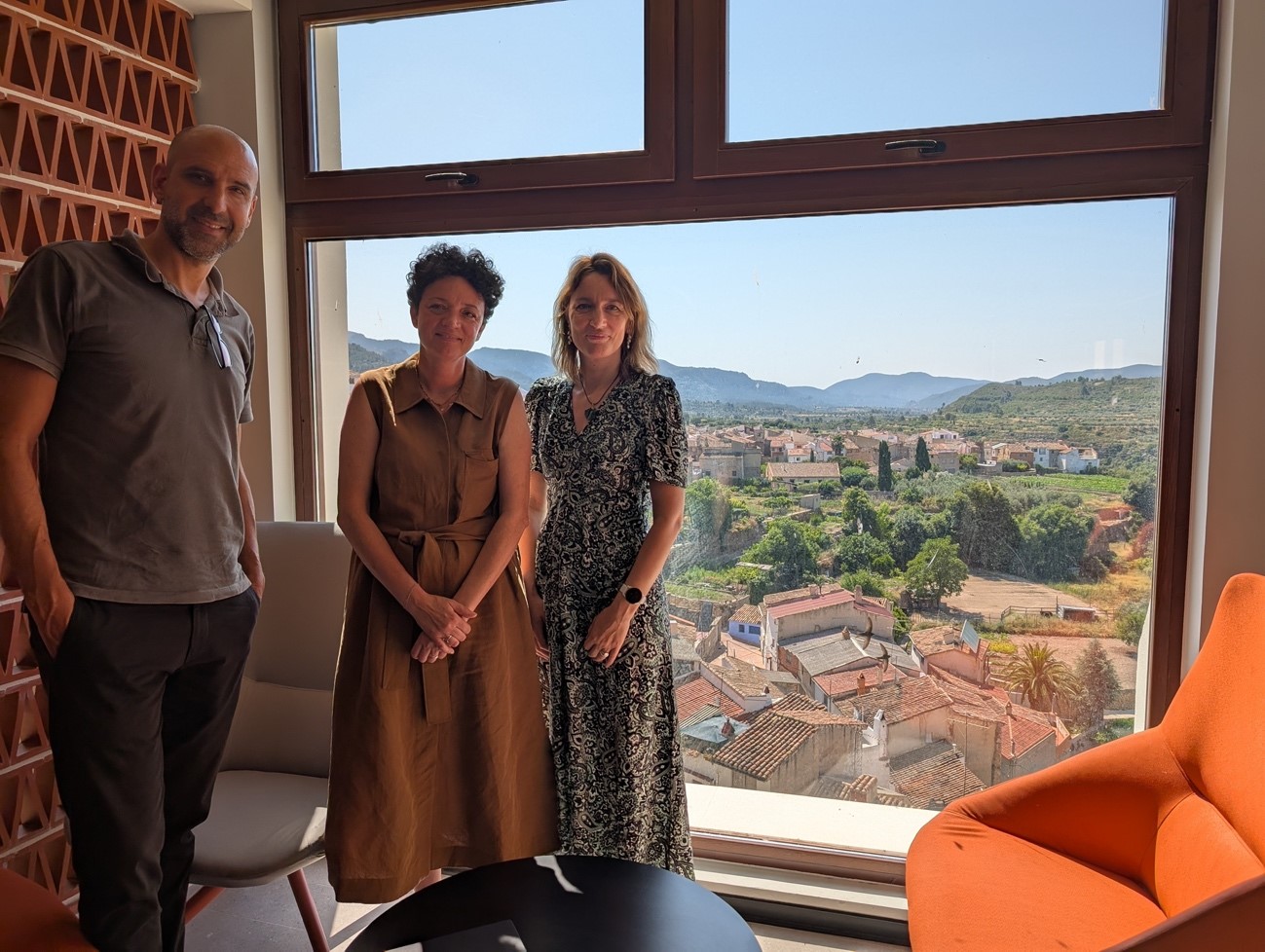
Within the framework of the European project SONYA, fieldwork has been carried out in the Alto Turia territory, conceived as one of the project’s three Living Labs, along with Italy (Trentino) and Bulgaria (Vidin), where technical methodologies have been brought into dialogue with the real-life experiences of those who sustain care in rural contexts. In Alto Turia, an area characterised by geographical dispersion, an ageing population and the strength of community ties, the El Olmo Foundation took on the responsibility of leading an interview process that was not only intended to produce data, but also to open up a space for deep listening. This work made it possible to reveal the complexity of care in low-density population areas, where everyday dynamics challenge traditional analytical frameworks.
From the outset, at the El Olmo Foundation we understood that conducting interviews in a rural territory means working within an ecosystem where formal services do not reach everywhere and where families play a central role in the sustainability of care. For this reason, the interviews were conceived not as rigid questionnaires, but as open and sensitive conversations, capable of capturing the tension between the strength of community networks and the fragility that emerges when ageing, distance and lack of resources intertwine. In this sense, only through contextualised narratives is it possible to understand the true emotional and logistical burden of rural care.
Preparing the ground was, in itself, an exercise in ethics and legitimacy. Despite its historical roots in the region, the El Olmo Foundation knew that trust is not automatic: it must be built. Before beginning the interview work, the team devoted weeks to meeting with local services and actors, explaining the objectives of the project, clarifying participation rights and ensuring that the population understood that their contribution was voluntary. This preliminary work created conditions of openness, reduced suspicion and allowed the interviews to be perceived as an opportunity to express long-accumulated concerns.
The training of the interviewing team constituted another essential pillar of the process. As this was a study addressing experiences of burden, fear, exhaustion or uncertainty, training based on simulated interviews, shadowing exercises and ethical review sessions was fundamental. The semi-structured interviews made it possible to address real situations, from conversations with overburdened carers to interviews with local professionals who had to balance their technical identity with their community belonging. Shadowing practices, in turn, offered novice interviewers the opportunity to observe first-hand how rapport is established, how silences or intense emotions are managed, and how the pace of the conversation is adapted to the context of the home, an intimate and meaningful space in the experience of rural care.
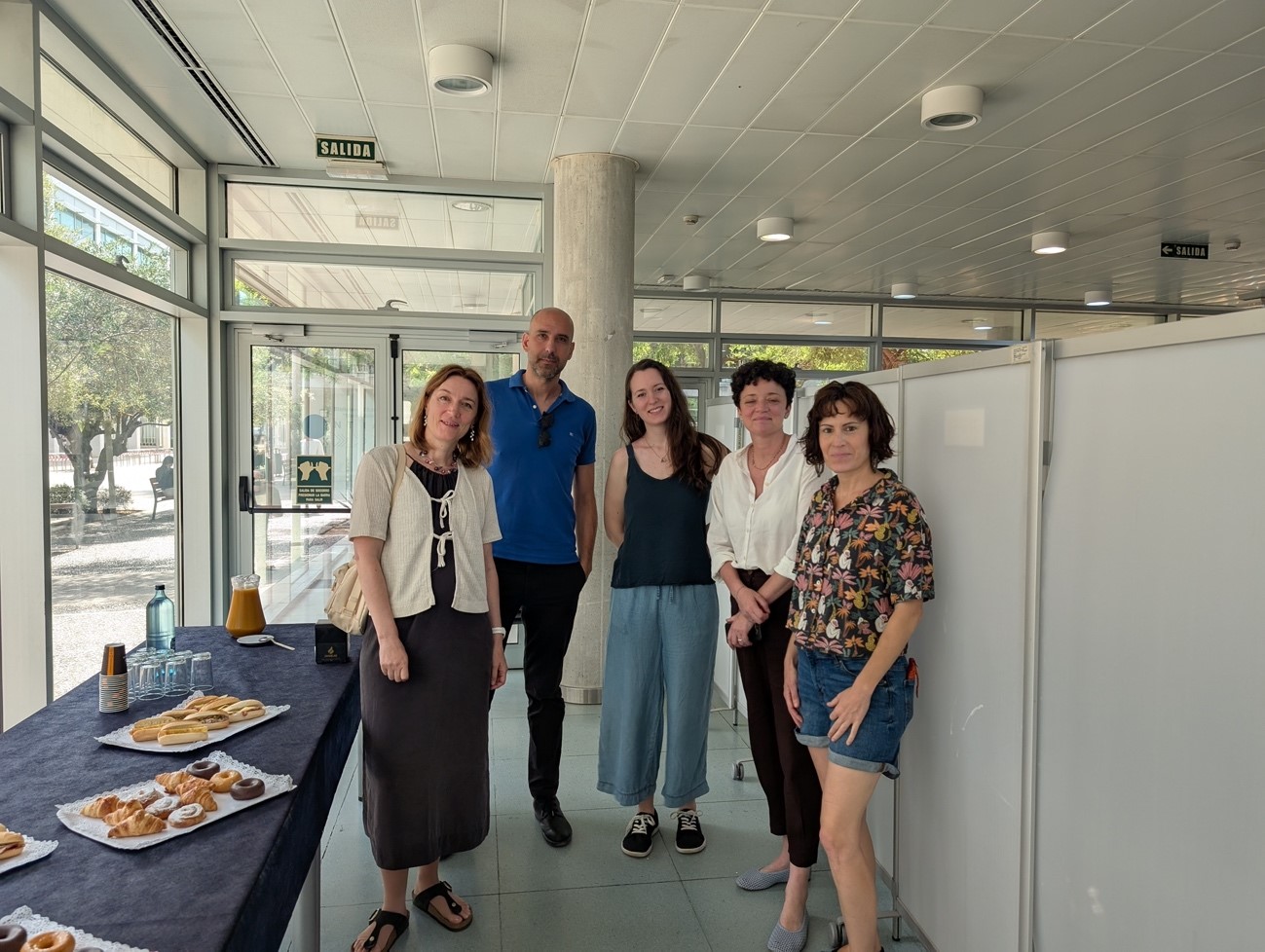
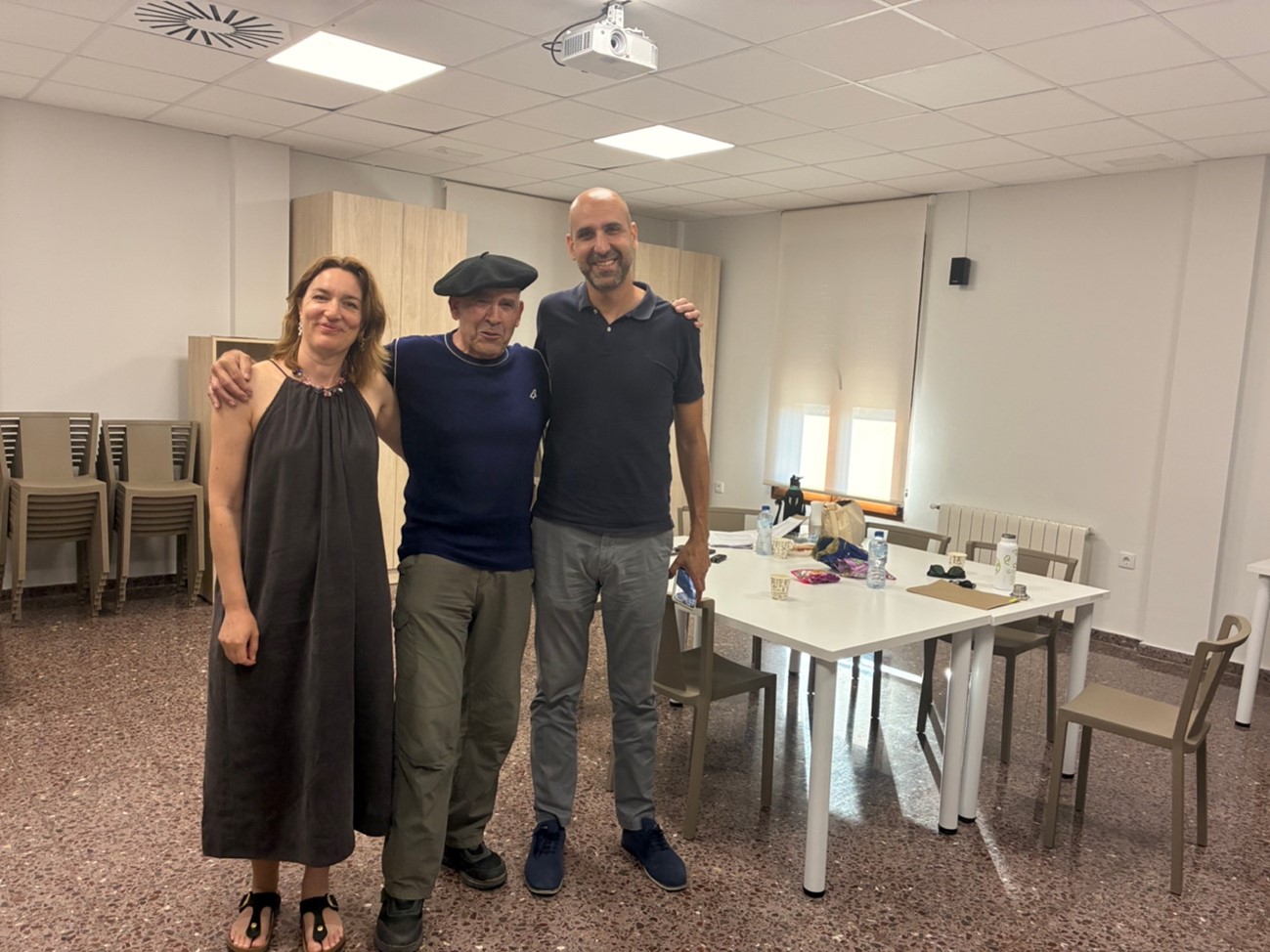
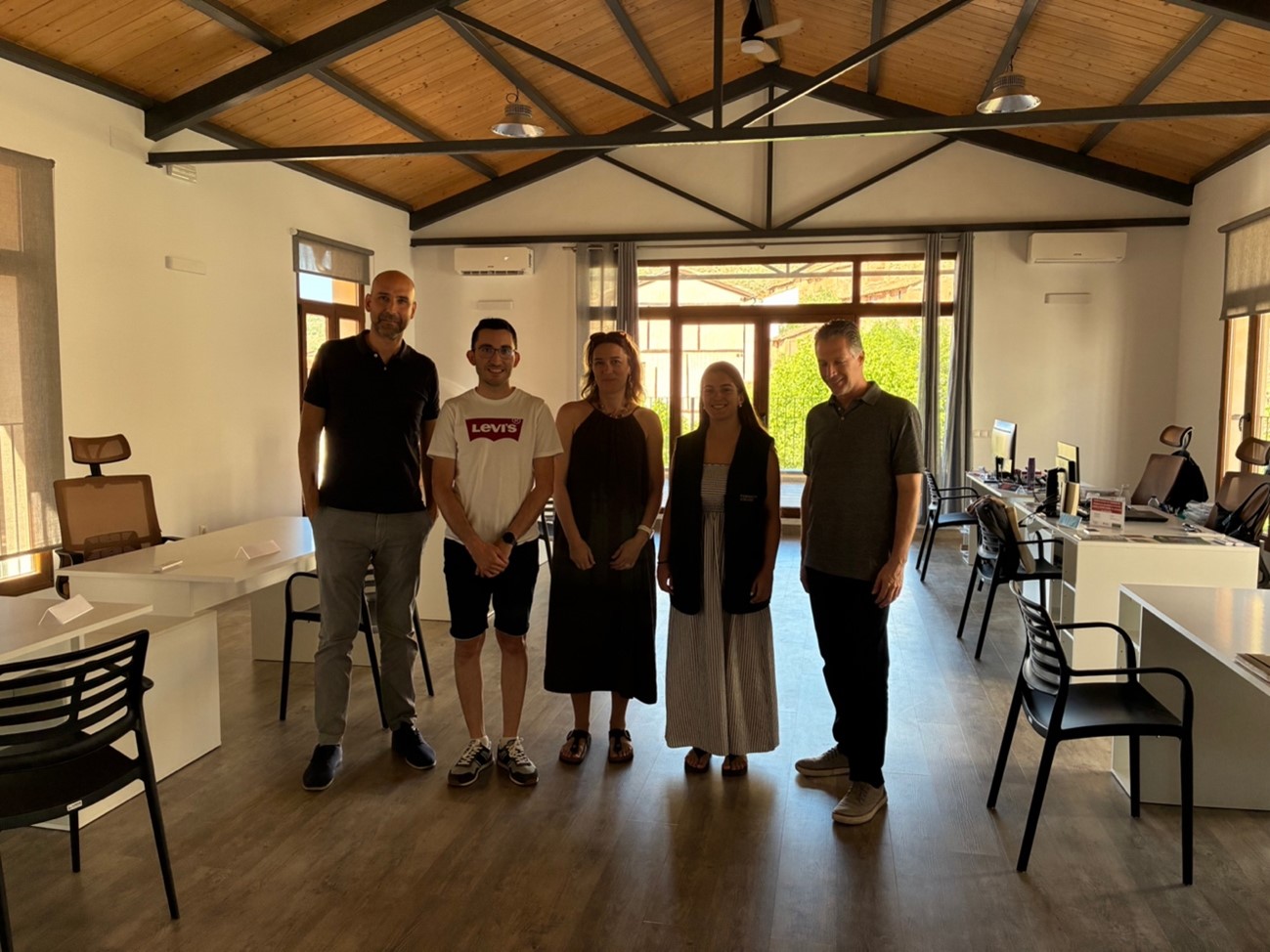
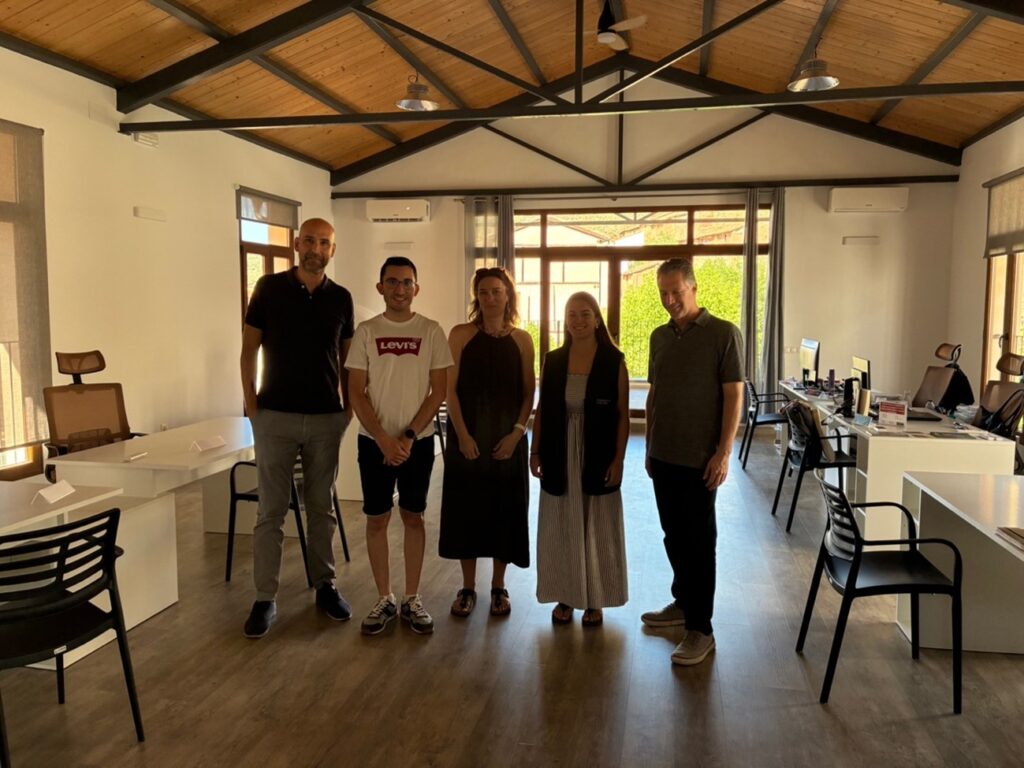
In the initial phase of the interviews, both the training sessions delivered to the partners of the SONYA project and the visit to our territory by the team from Rennes School of Business, the coordinating entity of the project, proved particularly valuable. During those days (25, 26 and 27 June 2025), the interviews were conducted across Valencia, Chelva, Aras de los Olmos and Casas Bajas. Throughout this process, it is worth highlighting the strong commitment and collaborative attitude of the various stakeholders involved, which made it possible to establish highly productive dialogues at all levels. These exchanges involved political representatives from the fields of health and dependency, faculty members from the Faculty of Social Sciences at the University of Valencia, representatives of local administrations, organizations with a presence in the territory such as the Colisée Foundation and the Red Cross, social work professionals, local associations, formal and informal caregivers, as well as older adults.The interviews guided by the coordinating team made it possible to apply the methodology designed within the project to the local reality and to understand how to adapt its structures to the social context of the Living Lab.
In the field, flexibility became an indispensable methodological tool. The interviews were guided by a semi-structured framework, which made it possible to adjust the discourse according to the participant’s profile: family carer, healthcare professional, older person or representative of a local service. The physical environment — often the participant’s own home — provided valuable information about routines, domestic adaptations, the distances that shape everyday travel and the presence or absence of family support. These observations, although not always incorporated as formal data, endowed the team with a more nuanced understanding of the care ecosystem.
The consent process was designed to be clear and accessible, avoiding technical jargon and ensuring that each person understood precisely the purpose of the study, their rights and the destination of the information. Confidentiality was treated with particular caution: in small villages, indirect identification is a constant risk. For this reason, interviews were organised in appropriate locations and strict anonymisation strategies were applied in line with European Union regulations. These measures were complemented by emotional management practices, so that the team was equipped to pause, modify or even cancel an interview if the well-being of the interviewee so required.
The geographical dispersion of Alto Turia introduced significant logistical challenges. Long journeys between municipalities and the reorganisation of schedules according to the availability of carers — almost always limited by the demands of care — required the team to maintain a continuous capacity for adaptation. However, this same geography revealed essential aspects of rural care: involuntary loneliness, dependence on private vehicles, and the fragility that emerges when a healthcare resource is more than thirty kilometres away.
As the fieldwork progressed, patterns began to emerge which, without offering definitive conclusions, pointed towards structural realities of rural care. The burden on carers was evident and deeply unequal. Formal services, although valued, were insufficient to cover crucial needs, especially during emergencies or in situations of advanced dependency. Professionals expressed the need for greater coordination and emotional support, and older people showed a mixture of gratitude for family assistance and concern about the progressive loss of autonomy. Mobility, inherently limiting in mountainous areas, influenced not only access to services but also the ability to maintain social ties.
These initial observations reinforced the conviction that the interviews were not merely a mechanism for collecting data, but an act of recognition towards those who sustain care under difficult conditions. In many cases, interviewees expressed relief at feeling heard, stating that it was the first time someone had asked how they were, and not only how the dependent person was.