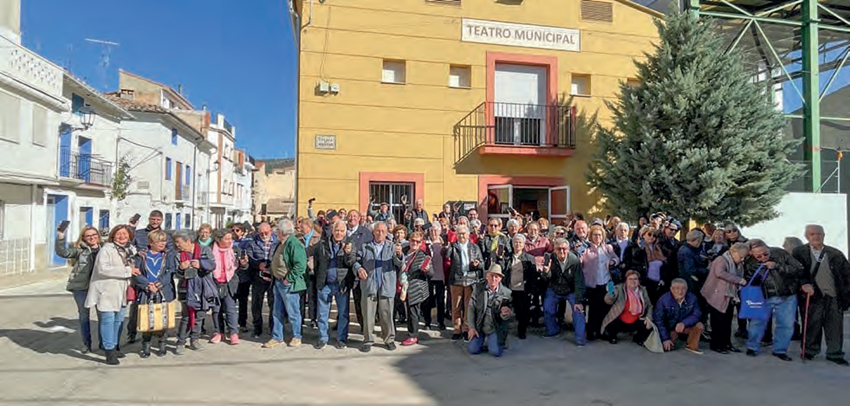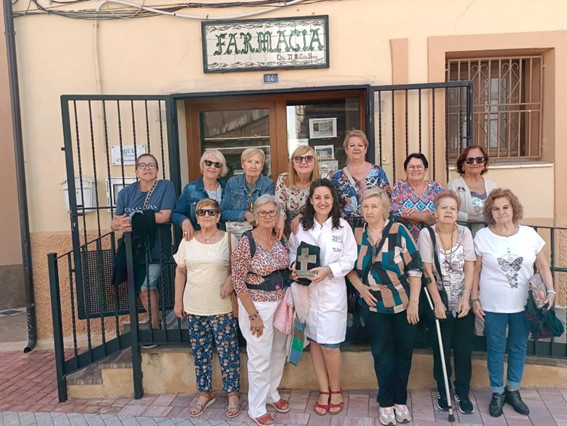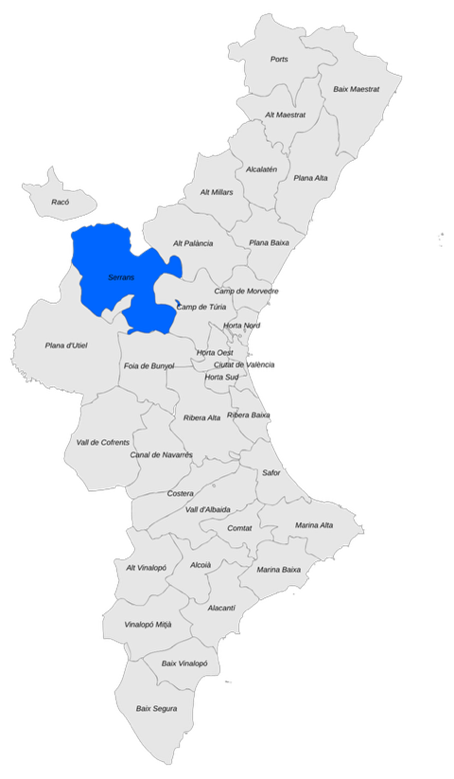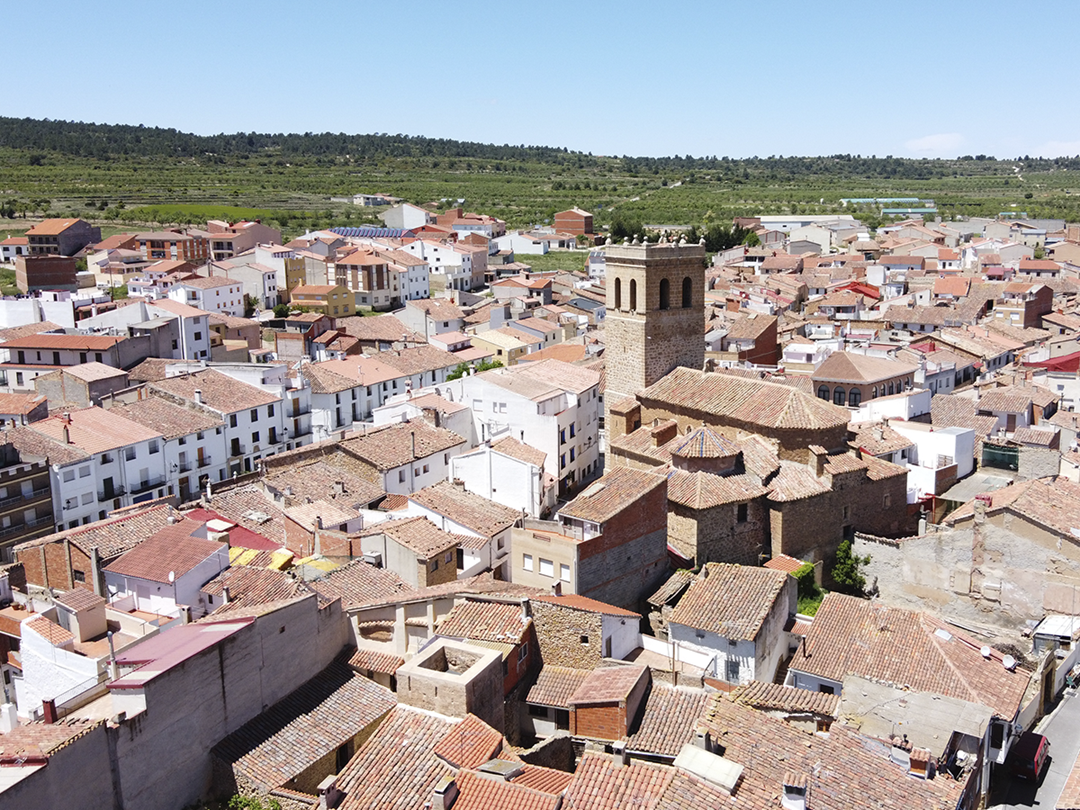
The Alto Turia territory constitutes a privileged setting for understanding how innovation in long-term care gains meaning, depth and applicability when developed in real-life contexts rather than artificial experimental environments. Within the SONYA Horizon Europe project, the participation of the El Olmo Foundation positions this rural region of the interior of the Valencian Community as a European Living Lab: a space where everyday dynamics, community ties and structural shortcomings become fundamental inputs for rethinking care systems.
This approach responds directly to SONYA’s core principles, which emphasise contextual sensitivity, methodological consistency and a participatory orientation that avoids the mere imposition of external models. In this sense, the Alto Turia Living Lab represents not only a field of study, but also a source of situated knowledge that sheds light on the complexities of ageing in rural European areas.
Why Alto Turia?
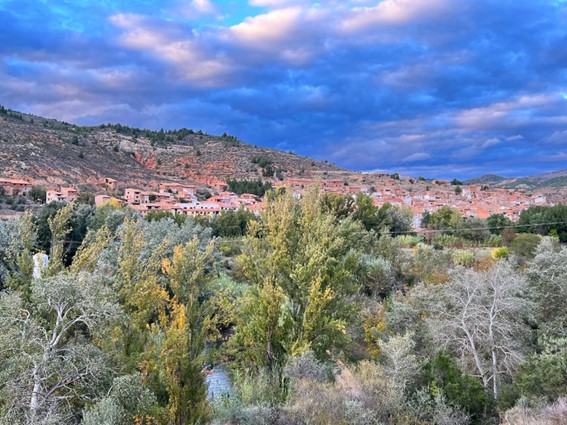
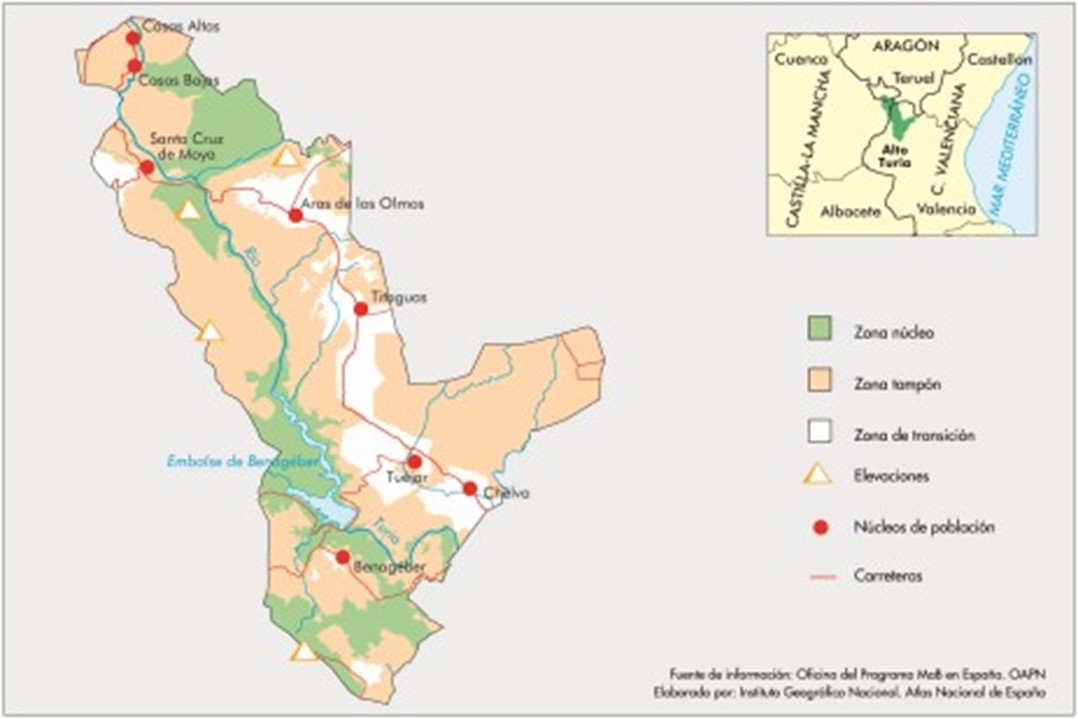
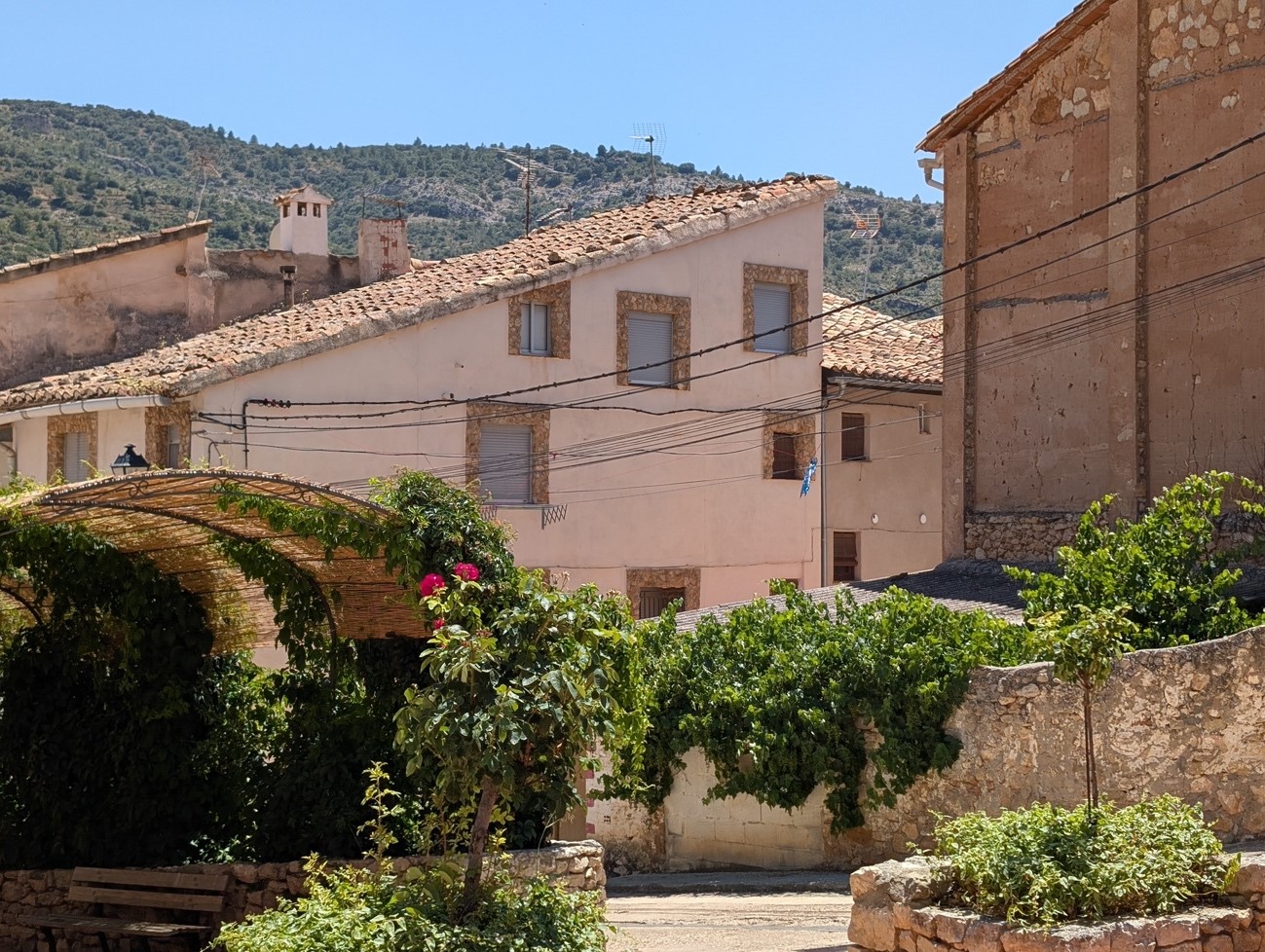
The selection of Alto Turia as a Living Lab site is no coincidence. This enclave, located in the Valencian Community, forms part of the Alto Turia Biosphere Reserve and is recognised for its natural and human value, as well as for its commitment to sustainable development. It is characterised by a sparse and ageing population, small municipalities separated by winding distances, and an economy based on agriculture, forestry and seasonal activities.
The limited availability of specialised services coexists with a strong tradition of community self-organisation and informal mutual support. For the El Olmo Foundation, these characteristics offer a strategic opportunity to analyse how care systems operate in contexts where formal resources are insufficient and where social cohesion is both a strength and a source of vulnerability. Rural dynamics make visible problems, strategies and values that often remain unnoticed in urban or institutional environments, providing indispensable analytical depth for SONYA.
The El Olmo Foundation plays a central role in translating SONYA’s methodological framework into local reality. Its long-standing presence in the region has facilitated the building of trust — a critical condition for conducting interviews, workshops and community dialogues that require social legitimacy and cultural sensitivity.
Rather than applying the methodology rigidly, the Foundation acts as an interpreter between European project approaches and everyday territorial practices. This mediation ensures that research activities are perceived not as intrusive, but as collaborative spaces that recognise and value the experience of the rural population. In line with SONYA’s guidelines, the effectiveness of a Living Lab depends on its capacity to adapt to the rhythms, codes and expectations of the community in which it is embedded.
Ageing, care and interdependence in Alto Turia
The demographic structure of Alto Turia reflects trends common across rural Europe: an ageing population, the continuous decline of younger cohorts and a marked reliance on informal care. Older residents often express a strong desire to remain in their own homes, even when distance from essential services limits their autonomy. Family carers assume intense and multifunctional responsibilities, while local councils strive to sustain basic provision with limited budgets.
At the same time, strong social interdependence is evident in everyday practices such as sharing transport, looking out for vulnerable neighbours or maintaining regular social contact to mitigate loneliness. For SONYA, these dynamics illustrate how care ecosystems evolve under demographic pressure and contribute to a more realistic understanding of the challenges and opportunities faced by rural regions.
The interviews and activities carried out within the Living Lab were diverse and complementary, designed to capture the complexity of the local care ecosystem. Flexible interviews were conducted with a wide range of key actors, including organisations such as the Red Cross and the Colisée Foundation; professionals from social and healthcare services; representatives from local municipalities and regional administrations; and local associations, caregivers and care workers.
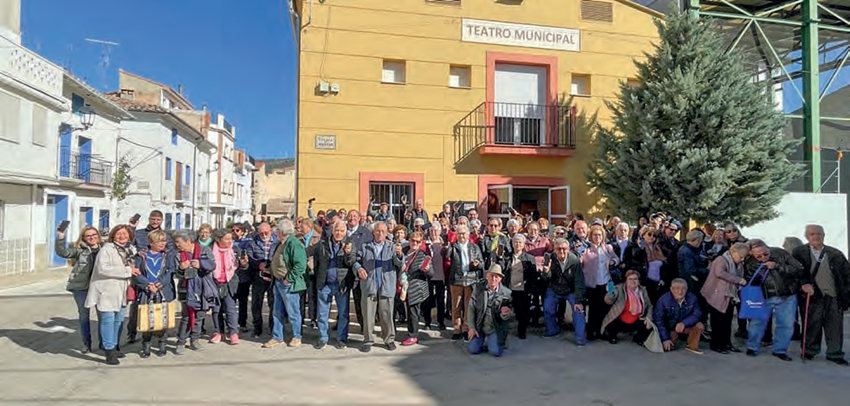
Community dialogues promoted by the El Olmo Foundation enabled an in-depth exploration of perceptions of ageing, expectations regarding care, and concerns related to dependency or institutional care. These exchanges ensured that multiple perspectives — formal and informal, professional and experiential — were integrated into the research process.
Rural challenges, rural innovation
Rurality introduces both constraints and opportunities for innovation. Geographic isolation strongly conditions access to services, and solutions designed for urban environments rarely translate without significant adaptation. The scarcity of professionals, the centralisation of healthcare services and limited transport options require alternatives that acknowledge these structural realities.
At the same time, local social networks provide emotional and practical support that partially compensates for gaps in the formal system. Neighbourly solidarity, the multifunctional role of small businesses and municipal creativity sustain fragile yet resilient care spaces. The Living Lab demonstrates that meaningful innovation must be co-created, context-aware and sensitive to rural ways of life.
From local practice to European learning
Adapting the SONYA conceptual framework to a rural environment involved mapping local care flows, identifying bottlenecks in mobility and communication, making informal caregiving work visible, and recognising community strengths that fulfil essential functions despite lacking institutional recognition.
This process allows local observations from Alto Turia to be connected with broader European patterns, integrating rural experience into a framework of transnational learning. The relationship between theory and practice becomes bidirectional: concepts are adjusted to reality, while lived experience reshapes conceptual understanding. These insights directly inform SONYA’s work on adaptable, context-sensitive care models with relevance for rural territories across Europe.
Alto Turia stands out as a Living Lab due to its manageable scale, which facilitates in-depth relational research; the proximity between researchers and residents, which accelerates feedback; the resilience of its communities in the face of demographic decline; and the authenticity of learning generated through everyday life. These attributes confirm that real contexts offer far greater value than controlled environments for producing meaningful knowledge on long-term care innovation.
Contributions to SONYA and beyond
The Living Lab’s contributions to SONYA are multiple. It provides qualitative data grounded in rural experience, reveals gaps between formal care models and lived realities, illustrates how care ecosystems function under demographic pressure, and identifies innovation opportunities rooted in community strengths. It also demonstrates that SONYA’s conceptual frameworks can be effectively adapted to diverse rural settings.
From the perspective of the El Olmo Foundation, several key lessons emerge: rural innovation depends on trust-based relationships; methods must be tailored to local contexts; communities are co-producers of knowledge; rural care requires integrated networks and local leadership; and Living Labs thrive when community empathy is combined with methodological rigour.
The participation of Alto Turia in SONYA extends beyond the territory itself. Its inclusion ensures that rural Europe is not marginalised in debates on care innovation, but instead plays a central role. The learning generated in this Living Lab informs local decision-making while enriching the European conversation on how to ensure dignified ageing in low-density areas with limited resources.
Alto Turia shows that innovation is not only possible in rural contexts — it is essential and already under way, driven by the resilience and practical knowledge of its inhabitants. SONYA provides the structure; the territory provides the lived experience that gives transformation its meaning.