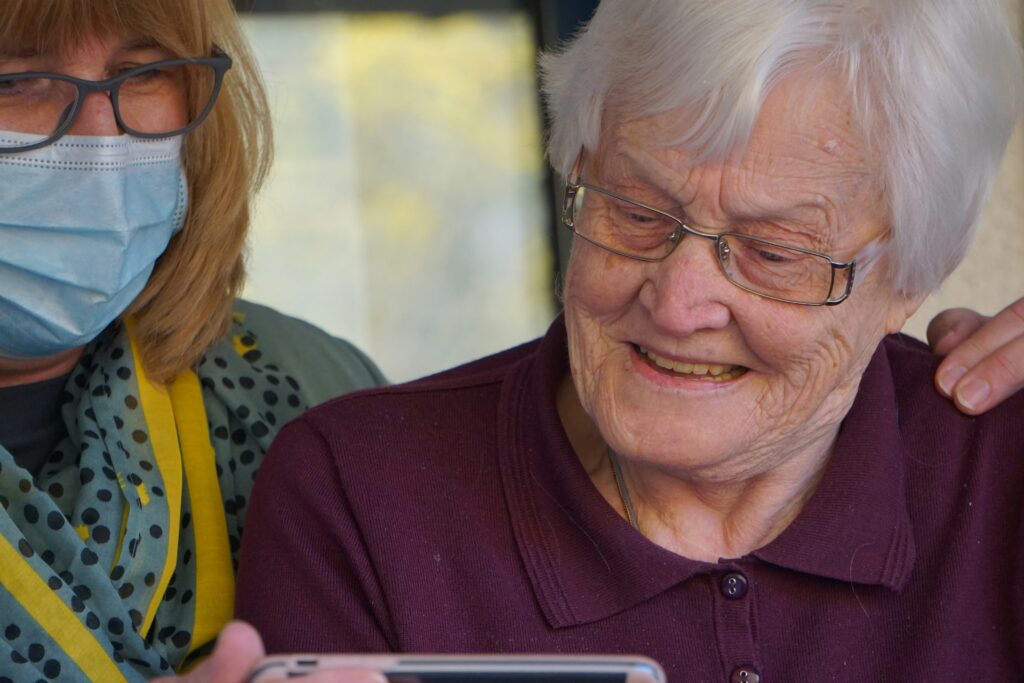
At the EMES event in November 2025, Petya Puncheva, Coordinator of the this SONYA project, and from Rennes School of Business, presented early insights on how Social Economy Organisations (SEOs) can anchor inclusive, sustainable rural care systems for older adults. SONYA’s core message is clear: only participatory, networked governance—bringing SEOs, public agencies, private providers, carers and older adults into shared decision-making—can address the interlocking challenges of access, quality and decent work in sparsely populated areas.
The project investigates macro/meso/micro conditions that enable or hinder collaboration among SEOs and other providers, across three Living Labs: Trentino (Italy), Alto Turia (Spain), and Ruzhintsi (Bulgaria). SONYA’s qualitative study ran from February to September 2025.
On governance, SONYA warns that current public tendering practices can favour underbidding, with “social dumping” pressures on wages and service continuity. As one SEO manager put it: “I submit a bid, justifying why I am willing to lose 30% while still guaranteeing proper pay.” Such dynamics risk degrading quality and squeezing mission-driven actors out of local markets.
The people challenge is equally stark. A manager reports “crazy turnover… around 70%” in frontline organisations, reflecting low pay, burnout, and competition with public-sector conditions; meanwhile, some SEOs note an ageing volunteer base, “our youngest members… are 50.” These trends threaten continuity just as demographic ageing raises demand.
Mobility and logistics also weigh heavily on care workers. In rural geographies, travel time can stretch schedules dramatically: “A 38-hour home-care job… you end up doing 60 hours because of the commuting.” Addressing route planning and territorial coordination is therefore pivotal to worker wellbeing and access for older adults.
Beyond systems and schedules lies reciprocity—the felt experience of giving and receiving—which SONYA identifies as central to older adults’ inclusion but poorly recognised in formal service design and job definitions. As one volunteer said: “Volunteering gives you a reason to get up in the morning… it helps us feel useful.” Recognising and resourcing the associative fabric, local associations and informal networks, emerges as a decisive lever for inclusion.